How Many Sessions of Laser Hair Removal Do You Need?

Are you fed up with the hassle of shaving, waxing, or using depilatory creams to get rid of unwanted body hair? Laser hair removal might be the perfect solution for you, but it’s common to wonder how many sessions you’ll need to achieve the desired results. In this article, we’ll discuss the ins and outs of laser hair removal, the factors that affect the number of sessions you’ll need, and the typical process. We’ll also provide estimates on the number of sessions required for various body areas.

Understanding Laser Hair Removal

Before delving into the number of sessions required for laser hair removal, it’s important to understand how the process works. Laser hair removal utilizes a concentrated beam of light to target hair follicles and prevent future hair growth. The laser heats the hair follicles, causing damage to the hair root and rendering it unable to grow.

How Many Sessions of Laser Hair Removal Do You Need?

How Laser Hair Removal Works

 The laser used in hair removal targets the dark pigment in the hair, known as melanin. The darker the hair, the more melanin it contains, and the more easily the laser can target it. The target is the hair follicle, where the hair root resides.

Once the laser is applied to the skin, it penetrates it and reaches the hair follicle. The laser is absorbed by the melanin in the hair follicle, which in turn heats the hair root. This leads to damage to the hair follicle and impedes the ability of the hair to regrow.

It’s important to note that laser hair removal works best on those with darker hair and lighter skin. This is because the contrast between the melanin in the hair and the skin makes it easier for the laser to target the hair follicle without damaging the surrounding skin.

Benefits of Laser Hair Removal

 There are many benefits to opting for laser hair removal. Laser hair removal is a long-term solution to unwanted body hair, with results lasting anywhere from several months to several years. The process is relatively painless and quick, with most sessions lasting from 15 to 60 minutes. For those with sensitive skin, laser hair removal is a gentler alternative to other hair removal methods. Additionally, with each session, hair grows back finer and sparser, eventually leading to permanent hair reduction.

Another benefit of laser hair removal is that it can be done on almost any part of the body. Common areas for laser hair removal include the legs, underarms, bikini area, and face. However, it can also be done on the back, chest, and arms.

It’s important to note that laser hair removal is not a one-time solution. Multiple sessions are required to achieve optimal results. The number of sessions required depends on a variety of factors, including the area being treated, the thickness of the hair, and the individual’s skin type. Generally, most people require anywhere from 6 to 8 sessions to achieve permanent hair reduction.

Overall, laser hair removal is a safe and effective way to achieve long-term hair reduction. With each session, hair grows back finer and sparser, eventually leading to permanent hair reduction. So if you’re tired of constantly shaving or waxing, consider laser hair removal as a more permanent solution.

Factors Affecting the Number of Sessions

When it comes to laser hair removal, there are several factors that can impact the number of sessions required for permanent hair reduction. In addition to the color and texture of your hair, your skin type, the treatment area, and hormonal factors can all play a role.

Hair Color and Texture

The color and texture of your hair can have a significant impact on the number of laser hair removal sessions required. Hair with a high concentration of melanin, such as black or brown hair, is typically easier to target with the laser, and therefore requires fewer sessions to ensure permanent hair reduction. Lighter hair colors, such as blonde or red, contain less melanin, and may require more sessions to achieve the desired results.

Another factor to consider is the texture of your hair. Thin hair, or hair with a fine texture, is typically more difficult to target with the laser than thicker, coarser hair. That said, while multiple sessions may be required for finer hair, it’s still possible to achieve permanent hair reduction.

Skin Type

 Your skin type is another critical factor to consider when determining the number of laser hair removal sessions required. The laser targets the pigment in the hair, so if your skin is dark, the laser may also target the pigment in the skin, leading to burns and other complications. Generally, clients with lighter skin and darker hair require fewer sessions to achieve permanent hair reduction.

It’s essential to note that individuals with darker skin tones should seek out a laser hair removal specialist with experience working with their skin type. Specialized lasers may be required to avoid damage to the skin.

Treatment Area

The size of the treatment area will also impact the number of sessions required for permanent hair reduction. Larger areas, such as legs or the back, will require more sessions than smaller areas like the underarms or bikini line. Additionally, the density of hair in the treatment area can also impact the number of sessions required.

Hormonal Factors

 Hormonal factors can also play a role in the number of laser hair removal sessions required. Pregnancy and menopause can lead to an increase in hair growth, making it necessary to undergo additional laser hair removal treatments. Hormonal imbalances, such as Polycystic Ovary Syndrome (PCOS), may also result in excessive hair growth, requiring additional sessions.

It’s essential to discuss any hormonal imbalances or changes with your laser hair removal specialist to determine the best course of action for your hair removal needs.

The Typical Laser Hair Removal Process

Initial Consultation

Before beginning laser hair removal, it’s important to schedule an initial consultation with a licensed practitioner. During the consultation, they will examine your medical history and skin type to determine whether laser hair removal is safe and effective for you.

Preparing for Your First Session

Before your first session, the hair in the treatment area must be trimmed to a short length. Additionally, you may be advised to avoid certain skincare treatments and sun exposure to ensure optimal results.

What to Expect During a Session

The laser used in hair removal will be directed at the treatment area, and it will emit a light that will feel like a rubber band snapping against your skin. You will be given safety goggles to wear during the procedure to protect your eyes from the laser.

Post-Session Care

After a laser hair removal session, it’s essential to avoid sun exposure and heat exposure, such as hot baths or showers. You’ll also want to avoid any activities that may cause sweating. Additionally, you should apply sunscreen to the treated area to protect it from harmful UV rays.

Estimating the Number of Sessions for Different Body Areas

Facial Hair Removal

Facial hair removal generally requires several sessions, with between 5-7 sessions typically needed for permanent hair reduction.

Underarm Hair Removal

Underarm hair removal typically requires 6-8 sessions for permanent hair reduction.

Bikini Line Hair Removal

Bikini line hair removal typically requires 6-8 sessions for permanent hair reduction.

Leg Hair Removal

Leg hair removal typically requires between 6-8 sessions for permanent hair reduction.

Conclusion

The number of sessions required for laser hair removal depends on a variety of factors, including hair color and texture, skin types, treatment areas, and hormonal factors. While multiple sessions may be required, laser hair removal is a long-term solution that can save you time and effort in the long run. Remember to follow the proper pre and post-care protocols and to have realistic expectations for the process. With patience and persistence, you’ll soon be on your way to hair-free days!

Can You Go to the Beach After Laser Hair Removal?

If you have recently undergone laser hair removal, you may be wondering if it’s safe to hit the beach. After all, nothing beats enjoying the sun, sand, and surf during the summer months. But before you slather on your


sunscreen and pack your towel, there are a few things you need to know.

In this article, we’ll explore the ins and outs of laser hair removal and the precautions you should take before and after your treatment to ensure a safe and enjoyable beach experience.

Understanding Laser Hair Removal

Laser hair removal is a popular cosmetic procedure that uses a concentrated beam of light to zap hair follicles and prevent hair growth. It is often preferred over traditional hair removal methods like waxing, shaving, and threading because it offers longer-lasting results and is relatively painless.

Many people who undergo laser hair removal experience a significant reduction in hair growth, with some even achieving permanent hair removal. The procedure is safe and effective for most skin types and can be customized to suit individual needs and preferences.

Can You Go to the Beach After Laser Hair Removal?

How Laser Hair Removal Works

During the procedure, a handheld laser device is used to target areas of unwanted hair. The laser releases heat that penetrates the hair follicles, damaging the root and stunting future hair growth. Multiple sessions are typically required to achieve optimal results, and the length of treatment depends on various factors like the size of the treatment area, hair color, and skin type.

The laser used for hair removal is attracted to the pigment in the hair follicle, so people with dark, coarse hair tend to respond best to treatment. However, newer laser technologies have made it possible for people with lighter hair colors to also achieve good results.

Common Areas for Laser Hair Removal

The most common areas for laser hair removal include the legs, underarms, bikini area, back, chest, and face. However, the procedure can be performed on almost any part of the body where hair grows. Some people choose to have laser hair removal on their arms, hands, feet, or even their toes.

Men who struggle with excessive hair growth on their chest, back, or shoulders may also benefit from laser hair removal. The procedure can help to reduce hair growth and improve the appearance of the skin.

Preparing for Your Laser Hair Removal Appointment

Before your appointment, it’s essential to shave the treatment area a day or two beforehand. Avoid tweezing, waxing, or plucking the hair, as these methods can interfere with the hair follicles and affect the efficacy of the treatment. You should also avoid tanning or exposing the treatment area to the sun for at least two weeks before the appointment, as this can increase the risk of burning or hyperpigmentation.

It’s important to choose a reputable laser hair removal provider who uses FDA-approved equipment and has experience performing the procedure. During your consultation, your provider will assess your skin and hair type and recommend a treatment plan that is tailored to your needs and goals.

Overall, laser hair removal is a safe and effective way to get rid of unwanted hair and achieve smooth, silky skin. With proper preparation and aftercare, you can enjoy long-lasting results and a boost in confidence.

Post-Treatment Care and Precautions

Laser hair removal is a popular and effective way to remove unwanted hair from various parts of the body. The procedure uses a laser to target hair follicles, which destroys them and prevents future hair growth. While it’s a relatively safe and straightforward procedure, it’s essential to take proper care of your skin after the treatment to avoid potential side effects and complications.

Immediate Aftercare

After your laser hair removal appointment, your skin may be red, swollen, and tender for a few days. This is a normal reaction to the treatment, and you don’t need to worry about it. You can alleviate discomfort by

applying cold compresses or taking over-the-counter pain relievers. Keep the treatment area clean and avoid using any harsh soaps, scrubs, or lotions for at least 24 hours. This will prevent irritation and help your skin heal faster.

You should also avoid hot showers, saunas, and other activities that can cause excessive sweating for at least 24 hours after the treatment. Sweating can irritate your skin and increase the risk of infection. Instead, take a lukewarm shower and pat your skin dry with a clean towel.

Potential Side Effects and Risks

Although laser hair removal is a generally safe and effective procedure, it does come with some potential side effects, including mild redness, swelling, and tenderness. These side effects usually subside within a few days after the treatment. However, in rare cases, more severe side effects like scarring, burning, or changes in skin color may occur.

To minimize the risk of complications, it’s crucial to choose a qualified and experienced practitioner and discuss any concerns or medical conditions you have before the procedure. Your practitioner should also provide you with detailed aftercare instructions and be available to answer any questions or concerns you may have after the treatment.

Tips for a Smooth Recovery

To promote a smooth and speedy recovery after your treatment, follow all aftercare instructions given by your practitioner. This may include avoiding sun exposure, as your skin will be more sensitive to UV rays after the treatment. Wear broad-spectrum sunscreen with an SPF of at least 30 and avoid direct sunlight as much as possible.

You should also avoid hot tubs and saunas for at least 48 hours after the treatment, as the heat can cause irritation and increase the risk of infection. Additionally, avoid wearing tight-fitting clothes that can rub against the treated area and cause irritation.

If you experience any unusual symptoms, such as severe pain, blistering, or bleeding, contact your practitioner immediately. These symptoms may indicate a complication that requires medical attention. By following these aftercare tips, you can ensure a safe and effective laser hair removal treatment and enjoy smooth, hair-free skin for months to come.

Hitting the Beach Post-Laser Hair Removal

When is it Safe to Go to the Beach?

After your laser hair removal treatment, it’s best to avoid the beach for at least two weeks. During this time, your skin may be more sensitive and prone to sunburn, which can cause discomfort and potentially damage your skin. However, if you do need to go to the beach, take extra precautions to protect your skin.

Sun Protection and Your Skin

Sun protection is always important, but it’s especially crucial after laser hair removal. Your skin will be more vulnerable to sun damage and may take longer to heal. Before heading to the beach, apply a broad-spectrum, water-resistant sunscreen with an SPF of at least 30. Reapply every two hours or after swimming or sweating. Wear protective clothing like hats, sunglasses, and long-sleeved shirts whenever possible.

Swimming and Other Beach Activities

Swimming or participating in other beach activities like beach volleyball or frisbee can be fun after laser hair removal, but it’s important to be careful. Avoid exposing the treatment area to saltwater or chlorinated water for at least 24-48 hours after your appointment, as this can irritate the skin and potentially cause infection. Wear loose-fitting clothing and avoid activities that could rub or chafe the treatment area.

Maintaining Your Results

How Long Does Laser Hair Removal Last?

Most people require 4-6 treatments spaced 4-6 weeks apart to achieve optimal hair reduction. After your initial treatments, you may need touch-up treatments once or twice yearly depending on your hair type and growth patterns.

Touch-Up Treatments and Maintenance

Touch-up treatments are essential to maintaining your hair-free results after laser hair removal. They can help to catch any hair that may have been missed during the initial treatment or any regrowth that may have occurred over time. Speak with your practitioner about a maintenance schedule that works for you.

Tips for Prolonging Your Smooth Skin

There are several things you can do to help prolong your smooth, hair-free skin after laser hair removal. Avoiding sun exposure and exfoliating regularly can help to prevent ingrown hairs and keep your skin soft and smooth. Avoid harsh hair removal methods like waxing or plucking, which can disrupt the hair follicles and affect the efficacy of your laser treatments.

Conclusion

Beach season is a time for fun in the sun, and with laser hair removal, you can enjoy your time at the beach without worrying about unwanted hair. Remember to follow all pre and post-treatment instructions, take extra precautions when heading to the beach post-treatment, and maintain a healthy skin care routine to keep your skin smooth and hair-free.

Natural Tints: The Hair Benefits Of Henna

Want to give your hair a natural tint without the harsh chemicals? Look no further than henna! This ancient plant-based dye has been used for centuries to enhance hair color and promote healthy locks. In this article, we’ll explore the hair benefits of henna and why it’s becoming a popular choice for those seeking a natural alternative. So, grab a cup of tea and join us on this journey to discover the wonders of henna.

When it comes to hair care, many of us are constantly on the lookout for products that are both effective and safe. And that’s where henna comes in. This natural dye, derived from the leaves of the henna plant, not only adds a beautiful tint to your hair but also provides a range of benefits. From enhancing shine and volume to strengthening the hair shaft, henna is a versatile solution for those looking to revitalize their locks. So, if you’re ready to embrace a more natural approach to hair coloring, let’s dive into the world of henna and unlock its secrets for gorgeous, healthy hair.

Henna is a natural alternative to chemical hair dyes, offering a range of benefits for your hair. It not only imparts a beautiful tint to your locks but also nourishes and conditions them. The natural properties of henna strengthen the hair strands, reduce breakage, and promote hair growth. Additionally, henna can help combat dandruff and scalp irritation. Embrace the power of henna for healthier, vibrant hair!

img 64b63adfc35e5

Natural Tints: The Hair Benefits of Henna

Henna is a natural dye that has been used for centuries to color and condition hair. It is derived from the plant Lawsonia inermis and is known for its ability to provide rich, long-lasting color while also nourishing the hair. In this article, we will explore the numerous benefits of using henna as a hair dye and delve into why it has become such a popular choice for those seeking a natural alternative to chemical hair dyes.

Henna is a versatile hair dye that offers a range of benefits. First and foremost, it is a natural product, which means it does not contain any harsh chemicals that can damage the hair or cause allergic reactions. This makes it a great option for those with sensitive scalps or those who are looking to minimize their exposure to potentially harmful chemicals. Additionally, henna is known for its conditioning properties. It can help to strengthen the hair, reduce breakage, and improve its overall texture and shine. This makes it an excellent choice for those with dry or damaged hair who are looking to restore its health and vitality.

One of the key advantages of using henna as a hair dye is its ability to provide long-lasting color. Unlike chemical dyes, which fade over time and require frequent touch-ups, henna gradually fades away as the hair grows, resulting in a natural-looking color that seamlessly blends with the roots. This means that you can enjoy vibrant, glossy hair without the need for constant maintenance. In addition, henna is available in a wide range of shades, from deep reds to warm browns, allowing you to achieve the perfect color to suit your individual style and preferences.

Henna also offers several benefits for the scalp and overall hair health. It has natural antimicrobial properties, which can help to reduce dandruff and promote a healthy scalp environment. This can lead to a reduction in itchiness and flakiness, as well as an improvement in overall scalp health. Additionally, henna can help to regulate oil production, making it an excellent choice for those with oily scalps. It can also help to strengthen the hair follicles, which can reduce hair loss and promote healthy hair growth.

One of the key concerns for many people considering using henna as a hair dye is its potential to dry out the hair. While it is true that henna can have a slightly drying effect, this can be easily mitigated by adding moisturizing ingredients to the henna paste. For example, adding olive oil or coconut oil can help to counteract the drying effects of henna and ensure that the hair remains soft and hydrated. It is also important to note that the drying effect of henna is significantly less than that of chemical dyes, which can strip the hair of its natural oils and leave it dry and brittle.

In conclusion, henna is a natural hair dye that offers numerous benefits for both the hair and scalp. It provides long-lasting color, conditions the hair, and promotes overall hair health. With its ability to nourish and strengthen the hair, henna is a great choice for those looking to enhance their natural beauty while avoiding the potential risks associated with chemical dyes. So, if you’re looking for a safe and effective way to add natural tints to your hair, give henna a try. You won’t be disappointed!

Key Takeaways: Natural Tints – The Hair Benefits of Henna

  • Henna is a natural plant-based dye that can give your hair a beautiful tint.
  • Using henna can help improve the overall health of your hair, making it stronger and more resilient.
  • Henna is a safe and chemical-free alternative to synthetic hair dyes.
  • Henna can also help nourish the scalp, reducing dandruff and promoting healthy hair growth.
  • When applied regularly, henna can add shine and luster to your hair, enhancing its natural beauty.

Frequently Asked Questions

What are the hair benefits of henna?

Henna, a natural plant-based dye, offers numerous hair benefits. Firstly, it provides a natural tint to the hair, adding rich and vibrant color. This makes it an excellent alternative to chemical hair dyes that can damage the hair. Additionally, henna helps to strengthen the hair strands, reducing breakage and promoting overall hair health. It also acts as a natural conditioner, leaving the hair soft, shiny, and more manageable. Furthermore, henna has cooling properties that can soothe the scalp and reduce scalp issues like dandruff and itchiness.

Overall, henna is a versatile and beneficial hair treatment that not only enhances the appearance of the hair but also improves its health and condition naturally.

Does henna work on all hair types?

Henna is suitable for all hair types, including straight, wavy, curly, and coily hair. It works by coating the hair shaft with a natural pigment, resulting in a vibrant color. However, it’s important to note that the intensity of the color may vary depending on the natural color and texture of the hair. Lighter hair colors tend to show more noticeable results, while darker hair may achieve a subtle tint. Additionally, henna may provide additional benefits to specific hair types, such as conditioning and strengthening for dry or damaged hair.

Regardless of your hair type, henna can be a great natural option to enhance your hair color and improve its overall health.

How long does henna color last on the hair?

The longevity of henna color on the hair can vary depending on various factors. Generally, henna color gradually fades over time, typically lasting for about four to six weeks. However, it’s important to note that the intensity and duration of the color can be influenced by factors such as the initial color of the hair, the quality of the henna used, and the hair care routine. Regularly using henna-based hair products and avoiding harsh shampoos can help prolong the color. Additionally, exposing the hair to excessive heat, sunlight, and chlorine can cause the color to fade more quickly.

To maintain the color, occasional henna touch-ups can be done, ensuring the hair remains vibrant and beautiful.

Can henna be used on chemically treated hair?

Yes, henna can be used on chemically treated hair. However, it’s important to take certain precautions. If you have recently colored your hair with a chemical dye, it’s recommended to wait for at least six to eight weeks before applying henna. This allows the chemical dye to fully settle in the hair and prevents any adverse reactions between the chemicals and henna. Additionally, performing a strand test before applying henna to the entire hair can help determine the compatibility and desired outcome.

Henna can actually be beneficial for chemically treated hair as it helps to strengthen and condition the hair, counteracting the potential damage caused by chemical dyes.

Are there any side effects of using henna on hair?

Henna is generally safe to use on hair and has minimal side effects. However, some individuals may experience mild allergic reactions, such as itching or redness, due to the natural compounds present in henna. It’s always recommended to perform a patch test before applying henna to the entire hair to check for any adverse reactions. Additionally, using high-quality henna products and following the instructions carefully can help minimize the risk of side effects.

It’s important to note that henna should only be used externally on the hair and scalp and should not be ingested. Pregnant women should consult with their healthcare provider before using henna, as there is limited research on its safety during pregnancy.

Why I Stopped Using Henna On My Hair | My Henna Hair Story

Final Summary: Unlock the Natural Power of Henna for Beautiful Hair

Wow, who knew that a simple plant like henna could hold so many incredible benefits for our hair? From enhancing color to promoting hair growth and nourishment, henna has proven itself to be a real game-changer in the world of haircare. So, if you’re tired of damaging chemical dyes and want to embrace a more natural approach to hair coloring and care, henna is your new best friend.

One of the key takeaways from exploring the hair benefits of henna is its ability to provide vibrant and long-lasting color without the harmful effects of synthetic dyes. Its natural tints not only enhance your hair’s natural shade but also add a beautiful shine and dimension. Plus, the conditioning properties of henna help repair damage and strengthen your locks, leaving them feeling soft, silky, and irresistibly touchable.

But the benefits of henna don’t stop there. This potent plant also works wonders for your scalp health, promoting better blood circulation, soothing irritation, and even fighting dandruff. And let’s not forget about its ability to stimulate hair growth and prevent hair loss. With henna in your haircare routine, you can say goodbye to thinning hair and hello to luscious, voluminous locks.

So, why not give henna a try? Embrace the power of nature and experience the incredible benefits it has to offer. Whether you’re looking to switch up your hair color or improve the overall health of your hair and scalp, henna is a natural solution that delivers beautiful results. Say goodbye to chemical-laden products and hello to the wonders of henna for naturally gorgeous hair.

Herbal Hair Boost: The Potential Benefits Of Wormwood For Hair

Looking to give your hair a natural boost? Look no further than wormwood, the herbal hair secret that could transform your locks. Wormwood is a powerful plant known for its potential benefits for hair health and growth. In this article, we’ll explore the potential benefits of wormwood for hair and how it can be incorporated into your hair care routine. So, let’s dive in and discover the wonders of this herbal hair boost.

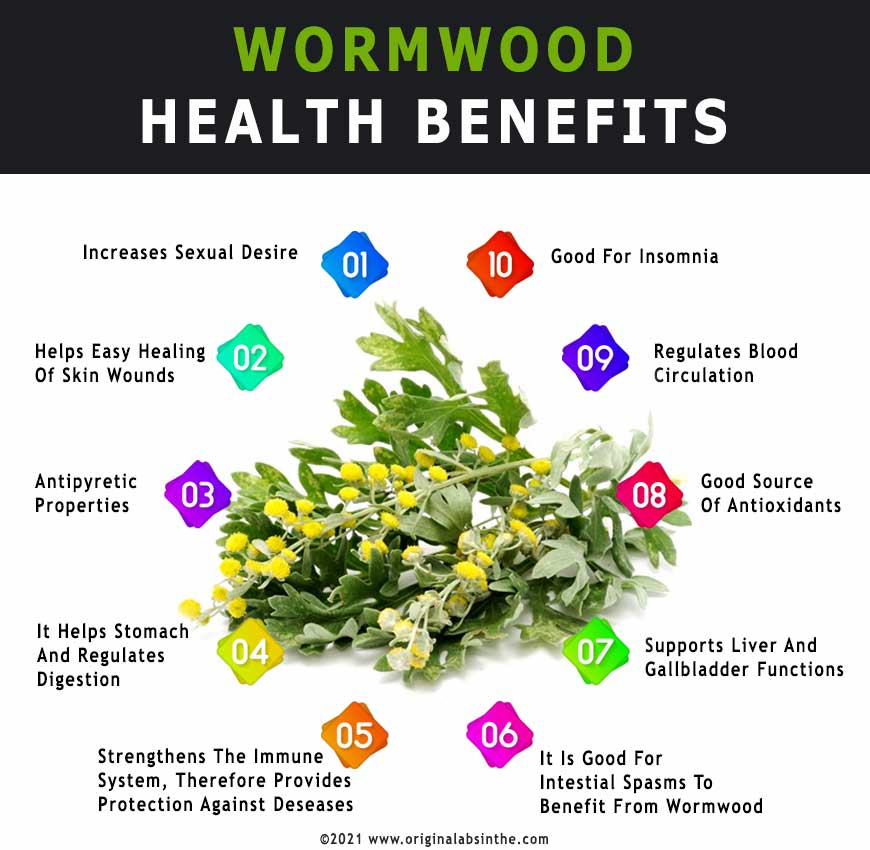
Wormwood, also known as Artemisia absinthium, has a long history of use in traditional medicine and natural remedies. While it’s commonly associated with its use in making absinthe, wormwood has also been valued for its potential benefits for hair. This herb is rich in nutrients such as vitamins A and C, as well as minerals like iron and magnesium, which are essential for healthy hair growth. Additionally, wormwood has antimicrobial and anti-inflammatory properties that can help soothe scalp conditions and promote a healthy environment for hair follicles. So, whether you’re struggling with hair loss, a dry scalp, or simply want to give your hair a natural boost, wormwood could be the solution you’ve been searching for.

Herbal Hair Boost: The Potential Benefits of Wormwood for Hair

Wormwood, a herb known for its medicinal properties, may also offer potential benefits for hair health. Its natural antimicrobial and antifungal properties can help combat scalp issues like dandruff and fungal infections. Additionally, wormwood contains nutrients that promote hair growth and strengthen the hair follicles. Incorporating wormwood into your hair care routine through herbal hair products or DIY remedies may help nourish and revitalize your hair. Consider consulting a dermatologist or herbalist for personalized advice on using wormwood for hair health.

Herbal Hair Boost: The Potential Benefits of Wormwood for Hair

Herbal Hair Boost: The Potential Benefits of Wormwood for Hair

Wormwood, also known as Artemisia absinthium, is a herb that has been used for centuries for its medicinal properties. While it is commonly known for its role in making absinthe, a popular alcoholic beverage, wormwood also offers a range of potential benefits for hair health. In this article, we will explore the potential benefits of wormwood for hair and how it can be incorporated into your hair care routine.

The History and Origins of Wormwood

Wormwood has a long history of use in traditional medicine. It is native to Europe, Asia, and North Africa and has been used for centuries to treat various ailments. Ancient civilizations, such as the Egyptians, Greeks, and Romans, recognized the medicinal properties of wormwood and used it to treat digestive issues, fever, and even to repel insects.

The herb’s name, wormwood, is believed to come from its historical use as a treatment for intestinal worms. It contains a compound called absinthin, which is known for its anthelmintic properties. Over time, wormwood gained popularity for its use in making absinthe, but its potential benefits for hair health should not be overlooked.

The Potential Benefits of Wormwood for Hair

1. Stimulates Hair Growth

One of the potential benefits of wormwood for hair is its ability to stimulate hair growth. The herb contains compounds that can promote blood circulation to the scalp, which in turn nourishes the hair follicles and encourages new hair growth. By incorporating wormwood into your hair care routine, you may notice thicker and healthier-looking hair over time.

Additionally, wormwood has anti-inflammatory properties that can help soothe the scalp and reduce scalp irritation, which can also contribute to healthier hair growth. It is important to note that individual results may vary, and it is always best to consult with a healthcare professional before starting any new hair care regimen.

2. Strengthens Hair Follicles

Another potential benefit of wormwood for hair is its ability to strengthen hair follicles. The herb contains essential oils and antioxidants that can nourish and protect the hair follicles, preventing damage and breakage. By strengthening the hair follicles, wormwood can help reduce hair loss and promote overall hair health.

3. Controls Dandruff and Dry Scalp

Wormwood has antifungal and antibacterial properties that can help control dandruff and dry scalp. Dandruff is often caused by an overgrowth of yeast on the scalp, and wormwood’s antifungal properties can help combat this issue. Additionally, its antibacterial properties can help maintain a healthy scalp environment, reducing the risk of scalp infections and dryness.

4. Adds Shine and Luster

Incorporating wormwood into your hair care routine may also help enhance the shine and luster of your hair. The herb contains natural oils that can moisturize and nourish the hair, making it appear healthier and more vibrant. Regular use of wormwood-infused hair products or treatments may leave your hair looking glossy and full of life.

How to Incorporate Wormwood into Your Hair Care Routine

Now that you are aware of the potential benefits of wormwood for hair, you may be wondering how to incorporate it into your hair care routine. Here are a few ways to reap the benefits of wormwood:

1. DIY Hair Rinse

You can create a DIY hair rinse by infusing wormwood leaves in hot water and allowing it to cool. After shampooing and conditioning your hair, pour the wormwood rinse over your hair, focusing on the scalp. Leave it on for a few minutes, then rinse thoroughly. This can help stimulate hair growth and promote a healthy scalp.

2. Wormwood-Infused Hair Products

Look for hair products that contain wormwood as an ingredient. There are various shampoos, conditioners, and hair treatments available that harness the potential benefits of wormwood. Incorporate these products into your regular hair care routine to experience the benefits firsthand.

3. Herbal Hair Masks

Consider using wormwood in combination with other herbs to create a nourishing hair mask. Mix wormwood powder with ingredients like aloe vera gel, coconut oil, or yogurt to create a paste. Apply the mask to your hair and scalp, leave it on for 20-30 minutes, then rinse thoroughly. This can help strengthen the hair follicles and promote overall hair health.

Incorporating wormwood into your hair care routine can be a natural and effective way to support hair health. However, it is important to remember that individual results may vary, and it is always best to consult with a healthcare professional before starting any new hair care regimen. Enjoy the potential benefits of wormwood and discover the wonders it can do for your hair.

Key Takeaways: Herbal Hair Boost – The Potential Benefits of Wormwood for Hair

  • Wormwood may help promote hair growth and prevent hair loss.
  • It has anti-inflammatory properties that can soothe scalp conditions like dandruff and itching.
  • Wormwood contains antioxidants that protect hair follicles from damage.
  • Using wormwood-infused hair rinses or oils can improve hair texture and shine.
  • Consult with a healthcare professional before using wormwood for hair care.

Frequently Asked Questions

What is wormwood and how does it benefit hair?

Wormwood, also known as Artemisia absinthium, is an herb that has been used for centuries for its medicinal properties. When it comes to hair care, wormwood offers several potential benefits. Firstly, it contains essential oils that can help stimulate hair follicles, promoting healthy hair growth. Additionally, wormwood has antimicrobial properties that can help combat scalp infections and dandruff. It also has anti-inflammatory properties, which may help soothe an irritated scalp and reduce hair loss caused by inflammation.

Furthermore, wormwood is rich in antioxidants, which can help protect the hair follicles from damage caused by free radicals. This can contribute to stronger and healthier hair. Overall, incorporating wormwood into your hair care routine may help improve the overall health and appearance of your hair.

Can wormwood be used to treat hair loss?

While wormwood may offer some potential benefits for hair growth, it is important to note that it is not a cure for hair loss. Hair loss can be caused by various factors, including genetics, hormonal imbalances, and certain medical conditions. However, using wormwood as a part of a comprehensive hair care routine may help promote healthier hair growth and minimize hair loss.

It is always recommended to consult with a healthcare professional or a dermatologist if you are experiencing significant hair loss, as they can help determine the underlying cause and provide appropriate treatment options.

How can wormwood be used for hair care?

There are a few different ways you can incorporate wormwood into your hair care routine. One option is to use wormwood essential oil. You can dilute a few drops of the oil in a carrier oil, such as coconut or jojoba oil, and massage it into your scalp. Leave it on for a few hours or overnight before rinsing it out.

Another option is to make a herbal hair rinse by steeping dried wormwood leaves in hot water. After the mixture has cooled, strain it and use it as a final rinse after shampooing and conditioning your hair. This can help promote scalp health and add shine to your hair.

Are there any side effects of using wormwood for hair?

While wormwood is generally considered safe when used in moderation, some individuals may experience skin irritation or allergic reactions. It is always recommended to do a patch test before using wormwood or any new product on your scalp or hair.

Additionally, pregnant women and individuals with certain medical conditions, such as epilepsy or liver disease, should avoid using wormwood. It is important to consult with a healthcare professional before incorporating wormwood into your hair care routine to ensure it is safe for you.

Yes, wormwood may offer benefits for other hair-related issues as well. Its antimicrobial properties can help combat scalp infections, such as fungal infections or lice infestations. Additionally, its anti-inflammatory properties may help reduce scalp inflammation and itchiness.

However, it is important to note that while wormwood may provide some relief for these issues, it is not a substitute for medical treatment. If you are experiencing persistent scalp problems, it is best to consult with a healthcare professional for proper diagnosis and treatment.

The Amazing Properties of Wormwood

Final Thoughts: Unlock the Potential of Wormwood for Healthy Hair

As we conclude our exploration of the potential benefits of wormwood for hair, it’s clear that this herbal remedy holds promise in promoting healthy locks. With its rich array of nutrients, including vitamins, minerals, and antioxidants, wormwood has the potential to nourish the scalp, strengthen hair follicles, and improve overall hair health. Whether you’re struggling with hair loss, dryness, or lackluster locks, incorporating wormwood into your hair care routine may offer a natural and effective solution.

However, it’s important to note that while wormwood shows potential, more research is needed to fully understand its effects on hair growth and health. It’s always wise to consult with a healthcare professional or a trichologist before incorporating any new herbal remedies into your hair care regimen.

In the meantime, why not give wormwood a try? Whether you choose to use it in the form of essential oil, infused oil, or as an ingredient in hair products, experimenting with this herb may bring you one step closer to achieving the luscious, vibrant hair you desire. So why wait? Embrace the power of nature and unlock the potential of wormwood for your hair today!

Personal Preference: The Potential Benefits And Risks Of Male Pubic Hair Shaving

In the world of personal grooming, there’s a topic that often sparks debate and curiosity: male pubic hair shaving. It’s a personal preference that has its fair share of potential benefits and risks. From increased hygiene to enhanced visual appeal, the decision to trim or go au naturel down there is one that many men contemplate. So, what exactly are the advantages and drawbacks of male pubic hair shaving? Let’s dive in and explore the different perspectives on this grooming choice.

First and foremost, let’s talk about the potential benefits. For some men, shaving their pubic hair can contribute to improved hygiene. Without the hair, the genital area may be easier to clean and maintain, reducing the risk of unpleasant odors or bacterial growth. Additionally, some individuals find that a trimmed or shaved appearance enhances their visual appeal and boosts their confidence. It’s a personal choice that can make one feel more comfortable and attractive. However, it’s important to note that personal preferences vary, and what works for one person may not work for another.

Personal Preference: The Potential Benefits and Risks of Male Pubic Hair ShavingMale pubic hair shaving is a personal choice that comes with both benefits and risks. Shaving can provide a cleaner and more visually appealing appearance, reducing the chances of odor and irritation. It can also enhance sensitivity during intimate activities. However, shaving can lead to ingrown hairs, razor burn, and increased risk of infections. It is important to consider your own preferences, hygiene practices, and potential risks before deciding to shave. Ultimately, the choice should be based on personal comfort and preference.

Personal Preference: The Potential Benefits and Risks of Male Pubic Hair Shaving

Personal Preference: The Potential Benefits and Risks of Male Pubic Hair Shaving

Pubic hair grooming is a personal choice that varies among individuals. While some men prefer to keep their pubic hair natural, others opt for shaving or trimming to maintain a groomed appearance. There are potential benefits and risks associated with male pubic hair shaving, and it is important to consider these factors before deciding on a grooming routine.

The Benefits of Male Pubic Hair Shaving

Shaving or trimming pubic hair can offer several potential benefits. Firstly, it can enhance personal hygiene. Removing excess hair in the pubic region can reduce the accumulation of sweat and bacteria, which may help to prevent unpleasant odors and infections. Additionally, trimmed or shaved pubic hair can make it easier to clean the area thoroughly.

Secondly, many men choose to shave or trim their pubic hair for aesthetic reasons. Some individuals find it more visually appealing or enjoy the feeling of smooth skin. It can also enhance the appearance of the genital area, making it appear larger or more defined. This can boost confidence and self-esteem, particularly in intimate situations.

Furthermore, pubic hair grooming may improve sexual experiences for both partners. Some individuals find that shaved or trimmed pubic hair can increase sensitivity and enhance sexual pleasure. It can also make oral sex more enjoyable for the partner providing stimulation, as there is less hair to interfere with the experience.

Reduced Risk of Certain Health Issues

In addition to the aforementioned benefits, male pubic hair shaving may reduce the risk of certain health issues. Shaving or trimming can help to prevent the spread of sexually transmitted infections (STIs) by reducing the surface area where bacteria and viruses can reside. It also makes it easier to spot any signs of infection, such as sores or rashes, that may be hidden by excessive hair.

Moreover, shaving or trimming pubic hair may reduce the risk of pubic lice infestations. These tiny insects, commonly known as “crabs,” can easily attach to pubic hair and cause itching and discomfort. Removing or reducing pubic hair can make it more challenging for lice to find a suitable habitat.

While there are potential benefits to male pubic hair shaving, it is essential to consider the associated risks and proceed with caution. It is also crucial to note that personal preferences and comfort levels may vary, and what works for one individual may not be suitable for another.

The Risks of Male Pubic Hair Shaving

It is important to be aware of the potential risks and side effects that can occur with male pubic hair shaving. Firstly, shaving the pubic area can lead to skin irritation, redness, and itching. The skin in this region is delicate and sensitive, and the use of improper shaving techniques or sharp razors can cause discomfort. It is essential to use a clean, sharp razor and take precautions to prevent nicks, cuts, or ingrown hairs.

Secondly, shaving or trimming pubic hair increases the risk of ingrown hairs, which are hairs that curl back into the skin instead of growing outward. Ingrown hairs can cause pain, inflammation, and even infection if left untreated. Regular exfoliation and proper shaving techniques can help minimize the occurrence of ingrown hairs.

Additionally, shaving can disrupt the natural balance of the skin and lead to dryness or flakiness. It is important to moisturize the skin after shaving to maintain its health and prevent irritation. Using gentle, fragrance-free products specifically designed for the pubic area can help minimize potential skin issues.

Increased Risk of STIs

Another risk associated with male pubic hair shaving is an increased risk of certain sexually transmitted infections (STIs). The removal of pubic hair can create microtears or tiny abrasions on the skin, which can serve as entry points for bacteria and viruses. This can potentially increase the risk of contracting STIs such as herpes, syphilis, or human papillomavirus (HPV).

Furthermore, shaving can make it more challenging to detect any signs of infection, as there is no hair to partially conceal them. Regular STI testing and safe sexual practices are crucial, regardless of pubic hair grooming preferences, to reduce the risk of transmission and maintain sexual health.

In conclusion, male pubic hair shaving is a personal preference that comes with potential benefits and risks. It is essential to weigh these factors and make an informed decision based on individual comfort, aesthetic preferences, and health considerations. Proper grooming techniques, hygiene practices, and regular maintenance can help minimize the risks and enhance the overall experience of pubic hair grooming.

Key Takeaways

  • Shaving male pubic hair is a personal preference and should be based on individual comfort.
  • Benefits of male pubic hair shaving include improved hygiene and reduced odor.
  • Risks of male pubic hair shaving may include skin irritation and ingrown hairs.
  • Proper grooming techniques, such as using a clean razor and moisturizing the skin, can help minimize risks.
  • Ultimately, the decision to shave or not to shave should be based on what makes the individual feel most comfortable and confident.

Frequently Asked Questions

Is male pubic hair shaving a personal preference?

Yes, male pubic hair shaving is a personal preference. Some individuals choose to shave their pubic hair for various reasons, such as personal hygiene, aesthetics, or sexual preferences. However, it is important to note that personal preferences may vary, and not everyone may choose to engage in pubic hair shaving.

Ultimately, the decision to shave or not shave male pubic hair is subjective and should be based on individual comfort and personal preferences.

What are the potential benefits of male pubic hair shaving?

There are several potential benefits of male pubic hair shaving. First and foremost, shaving the pubic hair can enhance personal hygiene by reducing the accumulation of sweat, bacteria, and odor in the genital area. Shaving may also provide a cleaner and smoother appearance, which some individuals find aesthetically pleasing.

In addition, shaving the pubic hair may enhance sexual experiences for some individuals by increasing sensitivity and reducing friction during sexual activities. It can also make the application and removal of condoms easier and more comfortable.

What are the potential risks of male pubic hair shaving?

While male pubic hair shaving can have its benefits, it is important to be aware of potential risks. One of the main risks is the potential for skin irritation and discomfort. Shaving can cause razor burn, ingrown hairs, and itching in the pubic area.

Moreover, shaving the pubic hair can increase the risk of skin infections, as the hair acts as a natural barrier against bacteria and other microorganisms. It is crucial to maintain proper hygiene and take necessary precautions to minimize the risk of infection when shaving the pubic area.

What are some tips for safe pubic hair shaving?

To safely shave male pubic hair, it is important to follow some guidelines. Firstly, make sure to use a clean and sharp razor to prevent skin irritation and minimize the risk of nicks or cuts. It is also recommended to trim the hair before shaving to make the process easier.

Additionally, it is essential to keep the pubic area clean and dry before shaving. Using a moisturizing shaving cream or gel can help to reduce friction and irritation. After shaving, it is important to apply a soothing lotion or aftershave to moisturize the skin and prevent irritation.

Are there alternative hair removal methods for male pubic hair?

Yes, there are alternative hair removal methods for male pubic hair. Some individuals may choose to trim the hair with scissors or clippers instead of completely shaving it. This can help maintain a neat appearance while reducing the risk of skin irritation and discomfort associated with shaving.

Another option is waxing or using hair removal creams, which provide longer-lasting results but may also have their own set of risks and considerations. It is important to carefully research and consider the pros and cons of different hair removal methods before making a decision.

“Do Women Care About Pubic Hair” (THE TRUTH ABOUT MANSCAPING & GROOMING!) | Courtney Ryan

Final Thoughts: To Shave or Not to Shave?

After exploring the potential benefits and risks of male pubic hair shaving, it’s clear that personal preference plays a significant role in this decision. While shaving can offer advantages such as improved hygiene, enhanced sensation, and a sense of aesthetic appeal, it also comes with potential drawbacks like irritation, ingrown hairs, and the need for regular maintenance. Ultimately, the choice to shave or not to shave should be based on individual preferences, comfort levels, and the willingness to put in the necessary effort for maintenance.

When it comes to personal grooming, there is no one-size-fits-all answer. Some individuals may find that shaving their pubic hair aligns with their desired level of cleanliness and aesthetic preferences. They may enjoy the sensation of smoothness and feel more confident in their appearance. On the other hand, many individuals may prefer to keep their pubic hair intact, finding comfort and naturalness in embracing their body’s natural state. It’s a matter of personal choice and should be respected without judgment.

It’s important to remember that there is no right or wrong answer when it comes to male pubic hair shaving. What matters most is that individuals feel comfortable and confident in their own bodies. Whether you choose to shave, trim, or embrace your natural hair, the decision should be made based on what makes you feel the most comfortable and happy. So, embrace your personal preference and be confident in your own skin, knowing that your choice is valid and unique to you.