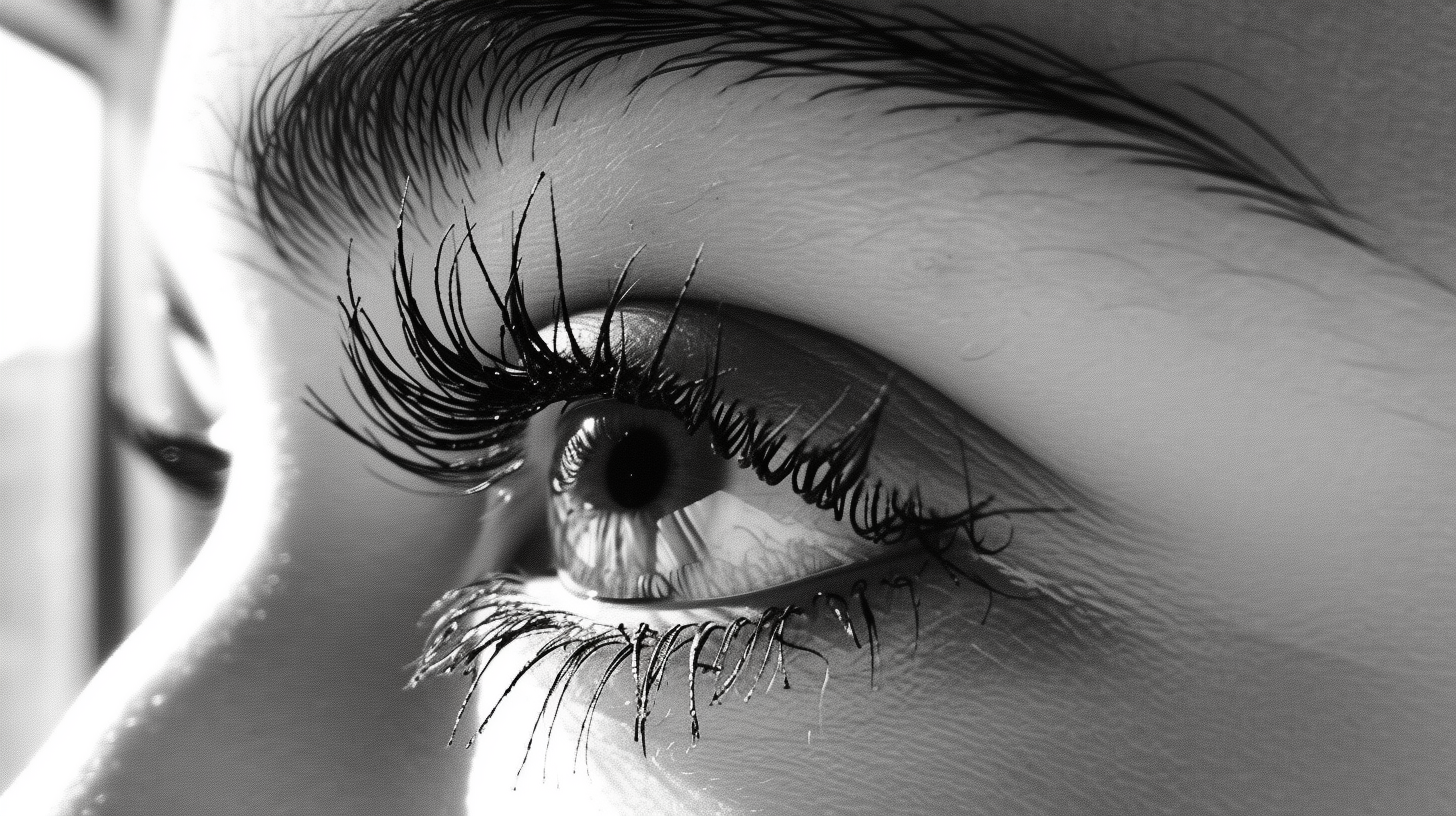
Is Honey Good For Eyelashes?

In the quest for lusher lashes, you might have heard whispers about the sweeter side of nature’s remedies—namely, honey. This golden elixir is renowned for its nutritional benefits, but its ability to enhance your eyelashes might still be shrouded in mystery for you.

Before you consider drizzling your peepers with this sticky substance, it’s essential to weigh the potential perks against the precautions. From its application techniques to user testimonials, there’s a hive of information to explore.

Stick around to uncover whether honey truly deserves a spot in your beauty regimen or if it’s merely a sticky myth.

Is Honey Good For Eyelashes?

Nutritional Profile of Honey

Honey’s rich nutritional profile, packed with antioxidants, vitamins, and minerals, offers numerous health benefits.

You’re probably aware that honey tastes great, but it’s the less obvious benefits that might surprise you.

Honey’s antioxidants, particularly those like flavonoids and phenolic acids, aren’t just fancy words; they’re your body’s best friends in fighting off oxidative stress and inflammation.

These antioxidants help protect your cells from damage caused by free radicals, which are unstable molecules that can harm cellular structures.

But honey’s prowess doesn’t stop at just being a powerhouse of antioxidants. It’s also celebrated for its wound healing properties.

This isn’t a new age theory; it’s backed by science. Honey’s ability to nurture the body extends to its application on the skin, where its antibacterial and anti-inflammatory qualities can accelerate healing processes.

When applied to wounds, honey can act as a barrier to infection and promote the body’s own healing mechanisms. This makes it a natural ally in skin care, especially for those looking for alternatives to chemical-laden products.

Is Honey Good For Eyelashes?

Expanding on its myriad health benefits, honey also offers unique advantages for enhancing the health and appearance of your eyelashes.

Rich in antioxidants and possessing natural humectant properties, honey can help your eyelashes stay moisturized, promoting a healthier growth cycle.

Its antibacterial and anti-inflammatory qualities can lead to a reduction in lash fall, ensuring your eyelashes remain thick and robust.

Not all honey types are created equal. Manuka honey, for instance, is renowned for its superior antibacterial properties, making it an excellent choice for eyelash care.

Raw honey retains more natural enzymes and nutrients since it’s not pasteurized, potentially offering more significant benefits for eyelash health. But, always patch test before full application to avoid allergic reactions, as honey is a potent natural substance.

Here’s a quick glance at what you need to know about honey’s benefits for eyelashes:

Benefit Description
Moisturizing Honey’s natural humectants draw moisture, keeping eyelashes soft and preventing breakage.
Antioxidant Properties The antioxidants in honey help protect eyelashes from environmental damage.
Supports Growth Nutrients and enzymes in honey can nourish follicles, potentially supporting healthier lash growth.

Honey's Benefits for Eyelashes

How to Apply Honey Safely

To apply honey to your eyelashes safely, start by selecting a high-quality, pure honey. Its natural properties are what potentially make it beneficial for your lashes, but remember, the purer the honey, the better the results you might see.

Before you begin, make sure your face and eyelashes are clean and free from any makeup or oils, as this will allow the honey to adhere better and work more effectively.

Next, you’ll need the right application tools. A clean, small eyelash brush or a cotton swab works best for this delicate area.

If you’re using a brush, dip it lightly into the honey, ensuring it’s not overloaded. For those preferring cotton swabs, lightly dab it into the honey, then gently apply it to the base of your eyelashes. Be careful to avoid getting honey in your eyes as it can cause irritation.

Some individuals may find pure honey too sticky or are looking for alternatives. In such cases, honey alternatives like diluted aloe vera gel mixed with honey can offer a less sticky consistency while still providing beneficial effects.

To create this mixture, combine a small amount of honey with aloe vera gel in a clean container, and apply as you’d the pure honey.

Potential Risks and Considerations

While honey may offer benefits for your eyelashes, it’s important to consider the potential risks and reactions it could cause.

Despite its natural origin, honey isn’t free from causing adverse effects, especially when applied near sensitive areas like your eyes.

Before incorporating honey into your eyelash care routine, you should be aware of several potential risks and considerations.

  1. Allergic Reactions: One of the primary concerns with using honey on your eyelashes is the risk of allergic reactions. If you’re allergic to pollen or bees, you might experience irritation, redness, or even more severe allergic responses. Perform a patch test on a different part of your skin before applying honey to your eyelashes.
  2. Eye Irritation: Honey is sticky and thick, which means it can easily get into your eyes and cause discomfort or irritation. This is particularly concerning if you wear contact lenses or have sensitive eyes. Should honey get into your eyes, rinse immediately with plenty of water to prevent any potential harm.
  3. Medical Alternatives: While honey has been praised for its potential benefits, there are medical alternatives available that have been scientifically proven to enhance eyelash growth safely. These alternatives often come with less risk of allergic reactions or eye irritation. Consulting with a healthcare provider can help you determine the best and safest option for your eyelash care.

How to Apply Honey Safely

Real Users’ Experiences and Results

After considering the potential risks and considerations, let’s explore how real users have fared with honey as an eyelash enhancer.

You might be wondering if the sticky sweetness of honey can really make your lashes longer or fuller. Well, you’re not alone. Many have turned to this natural remedy, hoping for a mascara alternative that’s gentle and effective.

First off, those who’ve tried honey on their eyelashes often stress the importance of performing allergy tests before full application.

They apply a tiny amount of honey on their skin and wait for 24 hours to check for any adverse reactions. It’s an essential step you shouldn’t skip, as safety comes first.

As for the results, they vary, but a significant number of users report positive outcomes. Some say their lashes feel softer and appear shinier after regular application.

Honey’s natural humectant properties seem to nourish the lashes, giving them a healthy, moisturized look that some find preferable to the sometimes clumpy appearance of mascara.

However, it’s not all sunshine and rainbows. A few users mention the process can be messy and slightly inconvenient compared to the quick swipe of mascara.

Despite this, they appreciate honey as a natural alternative, especially those looking to reduce their exposure to chemicals in makeup.

Conclusion

In conclusion, honey’s rich nutritional profile can offer benefits for your eyelashes, potentially promoting growth and strength.

However, make sure you apply it carefully to avoid any eye irritation.

While some users have seen positive results, remember that experiences vary.

Always weigh the potential risks and consider testing a small area first.

Ultimately, if you’re curious about using honey for eyelashes, it could be worth a try, keeping safety and personal sensitivity in mind.

Can Eyelashes Change Color?

You might think your eyelashes remain the same color from birth, but that’s not entirely true. Various factors, including genetics, aging, and environmental influences, play a significant role in the potential alteration of your eyelash color over time.

While the science behind it is complex, understanding how and why these changes occur can be quite fascinating.

Exploring this topic further will debunk common myths and provide you with a deeper insight into the intriguing world of eyelash pigmentation.

Can Eyelashes Change Color?

Can Eyelashes Change Color?

Eyelashes, like the hair on your head, owe their color to the pigment melanin, which the body produces in varying amounts.

You’ve probably noticed how your eyelashes can seem to change color under different circumstances.

It’s not just your imagination playing tricks on you; there are genuine reasons behind these variations.

One of the most direct methods to alter the color is through the application of hair dye. While not recommended due to the risk of eye irritation, some people do attempt to dye their eyelashes, seeking a more pronounced look.

Beyond cosmetic alterations, the color of your eyelashes can also be impacted by medical conditions.

Conditions that affect melanin production or distribution can lead to noticeable changes in eyelash color.

For instance, nutritional deficiencies or hormonal imbalances might result in lighter or patchy eyelashes. Similarly, some medications can lead to a decrease in pigment production, causing your eyelashes to lighten over time.

It’s fascinating how much your body’s internal changes can reflect externally, even in areas as specific as your eyelashes.

The Role of Genetics

Much like the color of your hair, skin, and eyes, the pigment in your eyelashes is influenced by the genes you inherit from your parents.

This genetic blueprint not only dictates the color but can also influence how your eyelash color might change under certain conditions, such as genetic mutations.

It’s fascinating to note the correlation between your hair color and your eyelash color.

Generally, there’s a strong link, with most people’s eyelashes being a similar or slightly darker shade than their hair. However, this isn’t always the case, and variations do occur.

These exceptions often stem from genetic mutations, which can lead to unique eyelash colors that might not match the hair or might change over time differently than the hair does.

Hair Color Typical Eyelash Color
Black Very dark or black
Blonde Light brown to blonde
Red Light brown to red

This table illustrates the expected correlation but remember, genetics can throw surprises.

Genetic mutations can lead to distinctive eyelash colors, such as a blonde with dark eyelashes or a redhead with very light eyelashes.

These variations are part of what makes each person’s appearance unique.

change in the color of your eyelashes

Aging and Eyelash Color

As you age, you might notice a change in the color of your eyelashes, often becoming lighter or grayer.

This isn’t just a random occurrence; it’s closely tied to the natural aging process and can be influenced by several factors, including hormonal changes and nutritional impact.

When it comes to hormonal effects, it’s essential to understand that hormones play a significant role in regulating hair color, including that of your eyelashes.

As you grow older, the production of certain hormones that contribute to hair pigmentation decreases.

This reduction in hormone levels can lead to a decrease in melanin, the pigment responsible for giving your hair, including your eyelashes, their color. Consequently, your lashes may start to appear lighter or even turn gray.

Nutrition also has a substantial impact on the health and color of your eyelashes. With age, you might experience changes in your nutritional intake or absorption.

Essential nutrients, such as vitamins, minerals, and proteins, are vital for maintaining the natural color and health of your eyelashes.

A deficiency in these nutrients can lead to a loss of pigmentation in your lashes. Ensuring a balanced diet rich in these essential nutrients can help mitigate the effects of aging on your eyelash color.

Environmental and Lifestyle Influences

Beyond aging, environmental factors, and lifestyle choices significantly affect the color and health of your eyelashes.

Exposure to the sun can lighten your lashes just as it does your hair, especially if you spend a lot of time outdoors without proper eye protection.

Similarly, pollutants and chemicals in the environment can contribute to lash discoloration over time.

Your diet plays a role in determining the health and color of your eyelashes.

Dietary effects on lash color aren’t immediate, but gradual changes can be noticed with consistent nutritional adjustments.

A diet rich in vitamins and minerals supports the production of melanin, the pigment that gives your lashes their color. On the flip side, a nutrient-deficient diet might lead to duller, lighter lashes.

Cosmetic procedures can also influence eyelash color. Frequent use of certain products or treatments can have a lasting impact. For example:

  1. Eyelash tinting: Regular tinting can lead to permanent changes in lash color, especially if you’re going for significantly lighter or darker shades than your natural color.
  2. Perming: Chemicals used in lash perming may weaken lashes and potentially lighten them over time.
  3. Extension adhesives: Some lash adhesives contain substances that could affect lash color with prolonged use.

Debunking Eyelash Color Myths

Debunking Eyelash Color Myths

While considering how environmental factors and lifestyle choices impact eyelash color, separate fact from fiction regarding common myths.

You’ve probably heard claims that certain activities or products can permanently change the color of your eyelashes.

First off, the idea that exposing your eyelashes to sunlight can lighten them, much like hair on your head, is a myth.

Eyelashes are far less susceptible to color change from sun exposure due to their structure and the type of melanin they contain. So, don’t count on summer sun to give you lighter lashes.

Another widespread myth is that certain nutritional supplements or foods can alter your eyelash color.

While a balanced diet is essential for healthy lashes, no specific food or supplement directly changes their color. Eyelash pigmentation is largely determined by genetics, not what you eat.

Cosmetic enhancements, such as mascara or eyelash tinting, can temporarily alter the appearance of your lashes but won’t affect their natural color.

Speaking of tinting, let’s talk about the dyeing risks. Eyelash dyeing can be hazardous and isn’t recommended.

The eye area is incredibly sensitive, and the chemicals in dyes can cause reactions, infections, or even damage your eyesight. It’s a cosmetic procedure that carries more risks than benefits.

Conclusion

Absolutely, your eyelashes can change color. It’s largely down to genetics, but aging plays a significant role too.

Don’t overlook the impact of your environment and lifestyle choices. While there are plenty of myths floating around about how to alter eyelash color, stick to the facts.

Remember, your unique eyelash hue is a part of what makes you, you. Embrace it, and if you’re curious about changes, consult a professional for advice.

Can Eyelashes Get Split Ends?

In the realm of beauty and self-care, your eyelashes might seem like the unsung heroes, often overlooked until trouble lashes out.

You’ve probably heard about split ends in hair, but have you ever wondered if your delicate eyelashes can suffer the same fate? Understanding the structure of eyelashes and the stress they endure might shed light on this intriguing question.

From the mascara you swipe on daily to the curler that gives them shape, it’s worth exploring how these routines could be leading your lashes to a split decision.

Can Eyelashes Get Split Ends?

The Eyelash Structure

Eyelashes, your eyes’ tiny protectors, have a complex structure designed to shield and beautify. Much like the hair on your scalp, they’re composed of proteins, primarily keratin, and follow a specific growth cycle.

However, when you compare eyelashes to scalp hair, you’ll notice significant differences in their length, thickness, and growth patterns.

Your eyelashes go through a three-phase growth cycle: anagen (growth phase), catagen (transition phase), and telogen (resting phase).

This cycle is much shorter for eyelashes than for scalp hair, which explains why your lashes are much shorter.

The anagen phase lasts about 30 to 45 days for eyelashes, ensuring they grow to a certain length before they shed naturally.

During the catagen phase, the lash follicle shrinks, and this phase can last two to three weeks. Finally, in the telogen phase, the eyelash remains in the follicle until it’s pushed out by the growth of a new lash, typically taking around 100 days.

Can Eyelashes Get Split Ends?

Although rare, your eyelashes can develop split ends due to a variety of factors, ranging from environmental stressors to improper care.

Just like the hair on your head, your eyelashes are susceptible to damage, and understanding what causes split ends can help you take steps to prevent them.

One significant factor is the lack of regular trims or haircuts. While you can’t exactly give your eyelashes a “haircut” in the traditional sense, regular grooming and careful handling can mimic the benefits, preventing split ends before they start.

Environmental pollution plays a considerable role. Just like your skin, your eyelashes are exposed to the air around you. Pollutants can weaken the hair structure, leading to split ends.

Cause Preventive Measures
Lack of Haircut Gentle grooming and careful handling
Environmental Pollution Cleansing and protection
Harsh Makeup Removal Use gentle, eyelash-safe products
Overuse of Mascara Limit application, choose quality

Signs Your Eyelashes Have Split Ends

Identifying split ends in your eyelashes isn’t always straightforward, but certain signs can alert you to their presence.

Just like the hair on your head, your eyelashes can suffer from damage due to various factors, leading to split ends.

Recognizing these indicators early on can help you take steps to protect and nourish your lashes, ensuring they remain healthy and strong.

When you’re on the lookout for split ends in your eyelashes, pay attention to the following signs:

  • Increased Difficulty during Eyelash Brushing: If you find that brushing your eyelashes has become more challenging and you’re experiencing more snags than usual, it could be a sign of split ends. Healthy lashes should be relatively easy to brush through.
  • Noticeable Thinning or Breakage: Eyelashes that are breaking off or appear thinner at the tips may be suffering from split ends. This weakening can lead to noticeable gaps in your lash line.
  • Reduced Effect of Makeup: When applying mascara, if your lashes no longer hold the product well or if the makeup seems to clump more easily, split ends may be affecting the overall texture and health of your lashes.
  • Changes in Texture: If your eyelashes feel rougher or more brittle to the touch, this change in texture can indicate damage, including split ends.

Being aware of these signs can help you address eyelash damage promptly. Remember, the impact of makeup and your eyelash brushing habits play significant roles in maintaining the health of your lashes.

Keeping an eye out for these symptoms allows you to take corrective action, ensuring your lashes stay as healthy and beautiful as possible.

Signs Your Eyelashes Have Split Ends

Prevention Tips for Healthy Lashes

Now that you know the signs of split ends in your lashes, let’s focus on how you can prevent them.

A gentle cleansing routine and nutrient-rich lash serums are key to keeping your lashes healthy.

Gentle Cleansing Routine

Adopting a gentle cleansing routine is good for preventing damage to your eyelashes and keeping them healthy. It’s not just about what products you use, but also how you use them. Here are some key steps to follow:

  • Use lukewarm water: Extreme water temperatures can be harsh on your lashes. Lukewarm water is just right for cleansing without causing unnecessary stress.
  • Pat dry gently: Avoid rubbing your lashes with a towel. Instead, pat them gently to prevent breakage.
  • Choose mild cleansers: Opt for gentle, lash-friendly cleansers that don’t contain harsh chemicals.
  • Avoid rubbing your eyes: This can lead to lash loss and damage. If you need to touch your eyes, do so with a soft touch.

Nutrient-Rich Lash Serums

After establishing a gentle cleansing routine, incorporating nutrient-rich lash serums can further enhance the health and resilience of your eyelashes.

Serum ingredients play a pivotal role in nourishing and strengthening your lashes.

Look for serums enriched with peptides, biotin, and natural oils like castor oil, all known for their lash-conditioning properties.

These ingredients work together to moisturize, strengthen, and promote the growth of your eyelashes, helping prevent split ends.

When it comes to application techniques, ensure you’re applying the serum directly to the lash line with a clean applicator.

This maximizes the serum’s contact with your lash roots, where it’s most beneficial. Consistent nightly application is key—you’ll start noticing healthier, more robust lashes with continued use. Remember, a little goes a long way!

Treatment Options for Damaged Eyelashes

If you’ve noticed your eyelashes suffering from damage, don’t worry; there are effective treatments available.

Eyelash conditioning treatments can nourish and strengthen your lashes, preventing further breakage.

Additionally, switching to gentle makeup removers can protect your eyelashes from harsh chemicals that might cause damage.

Eyelash Conditioning Treatments

To rejuvenate damaged eyelashes, you might consider various eyelash conditioning treatments that effectively restore their health and appearance.

Whether you’re dealing with the aftermath of lash extensions or the drying effects of mascara, these treatments can be a game-changer.

Here are some options to explore:

  • Over-the-counter lash serums: Designed to nourish and strengthen lashes.
  • Prescription treatments: For more significant damage, these can promote lash growth.
  • Natural oils: Such as castor or coconut oil, known for their conditioning properties.
  • Eyelash conditioners: Specialized products that aim to hydrate and repair lashes.

Gentle Makeup Removers

While exploring eyelash conditioning treatments, don’t overlook the importance of selecting a gentle makeup remover to prevent further damage to your lashes.

The key to maintaining healthy lashes lies in the product ingredients and removal techniques you choose.

Opt for removers that contain hydrating and nourishing ingredients, avoiding harsh chemicals that can lead to breakage and split ends.

Look for products with natural oils or aloe vera, which gently dissolve makeup without pulling or tugging at your delicate lashes.

When removing eye makeup, use a soft, damp cloth or cotton pad, applying the remover with gentle pressure.

This method ensures you’re protecting your lashes from damage and promoting their health and resilience. Remember, the gentler, the better for your lashes’ long-term vitality.

Treatment Options for Damaged Eyelashes

Maintaining Eyelash Health Long-Term

How can you ensure your eyelashes remain healthy in the long run? It’s all about adopting habits that nurture and protect them day after day.

From the way you treat them to the products you use, every choice matters. Let’s dive into some key practices that’ll keep your lashes in top condition.

  • *Be cautious with lash extensions:* While they offer instant volume and length, lash extensions can strain your natural lashes if not applied or removed properly. Opt for a certified technician and give your lashes breaks between applications.
  • *Mind your sleeping habits:* Sleeping face down or rubbing your eyes excessively can lead to lash breakage. Consider switching to a silk pillowcase and try to sleep on your back to minimize friction.
  • *Choose gentle makeup removers:* Harsh chemicals can weaken lash follicles, leading to premature loss. Go for oil-based removers that condition while they clean, and always be gentle when wiping away eye makeup.
  • *Nourish with a lash serum:* Just like your hair, lashes need nutrients to grow strong and healthy. Invest in a quality lash serum that promotes growth and strengthens the lashes from the root.

Conclusion

In conclusion, your eyelashes can indeed develop split ends, just like the hair on your head. By understanding their structure and what causes these splits, you’re better equipped to spot the signs early.

Don’t worry, though—adopting a few preventative measures and knowing how to treat damaged lashes can keep them healthy in the long run. Remember, it’s all about gentle care and avoiding harsh treatments to ensure your lashes stay strong, luscious, and split-free.

Why Do My Eyelashes Uncurl When I Use Mascara?

Did you know that over 80% of makeup users have struggled with their eyelashes uncurling after applying mascara? You’re certainly not alone in this frustrating experience.

The culprit often lies in the mascara formula you’re using or in the way you’re applying it.

Whether it’s the weight of the product dragging your lashes down or incorrect timing with your eyelash curler, there’s a science behind why your lashes aren’t staying curled.

As we explore this topic further, you’ll discover key insights into mascara formulas, application techniques, and how to maintain that perfect curl throughout the day. Stick around for some game-changing tips.

eyelashes uncurling after applying mascara

The Different Types Of Mascara Formula

You’ve probably noticed the two main types: waterproof and regular. Each plays a significant role in how your lashes hold a curl after application.

Waterproof mascaras are designed to resist water, obviously, but they also have a knack for holding a curl better due to their waxy composition.

The downside? They can be tough to remove, leading you to rub your eyes more vigorously, which might weaken your lashes over time.

Whereas regular mascaras are easier to wash off but mightn’t hold your curl as steadfastly throughout the day.

Another factor to consider is ingredient sensitivity. Your lashes might react differently to various formulas, not because of the curling capability but due to how the ingredients interact with your natural lash.

Some ingredients might cause your lashes to feel heavier or more brittle, indirectly affecting how well they hold a curl.

If you’ve ever applied a mascara only to find your beautifully curled lashes drooping soon after, it could be a sign that your lashes aren’t responding well to either the formula’s weight or an ingredient within it.

The Impact of Application Technique

The way you wield the mascara wand can either make or break the perfect curl you’ve so carefully achieved.

It’s not just about the mascara itself but about the technique, including the coating consistency and the brush design.

Aspect How It Affects Curl
Coating Consistency A thick, heavy coating can weigh down lashes, causing them to uncurl. Aim for a lightweight formula applied in thin, even layers.
Brush Design The shape and design of the brush can help maintain the curl. Curved brushes are designed to fit the natural shape of your lashes, enhancing and holding the curl better.

When applying mascara, you want to avoid zigzagging too aggressively at the base.

This action can cause the lashes to stick together, creating a heavy base that’s prone to drooping.

Instead, gently wiggle the brush at the base and then sweep upwards, allowing the natural curve of the brush to guide the lashes into a curled position.

enhance the effectiveness of your mascara

Why Do My Eyelashes Uncurl When I Use Mascara?

Mastering the use of an eyelash curler and perfecting the timing can significantly enhance the effectiveness of your mascara.

The material of your eyelash curler plays a role in how well your lashes will hold their curl.

Metal curlers, compared to their plastic counterparts, offer a more pronounced and lasting curl, thanks to their ability to conduct heat better. This heat application is a game-changer in curling lashes – so you could use a heated eyelash curler.

To maximize the benefits, you can gently heat your metal eyelash curler with a hairdryer for a few seconds before use.

However, it’s essential to test the curler on your wrist to ensure it’s warm, not hot, to avoid any damage to your delicate eyelid skin.

This warmth helps to mold your lashes into a more defined curl, setting the stage perfectly for your mascara application.

Timing is also critical when it comes to using your eyelash curler. For the best results, curl your lashes right before you apply your mascara.

If you wait too long after curling to apply mascara, the curl may begin to fall, reducing the impact. Conversely, curling your lashes after applying mascara can lead to clumping and potentially damage your lashes.

Mascara Weight and Eyelash Health

Heavier mascaras, especially those designed to volumize, can add significant weight to your lashes.

This not only pulls them down, making them appear straighter after curling, but can also lead to breakage over time. To maintain lash health, it’s important to look for products that support lash nutrition.

Many mascaras contain nourishing ingredients that aim to strengthen and condition your lashes with each application.

Ingredients like peptides, vitamins, and natural oils can contribute to lash health, promoting growth and resilience.

While looking for these beneficial components, it’s also wise to consider the formula’s overall weight.

Lighter formulas are less likely to weigh down your lashes, helping them to maintain their curl throughout the day.

Waterproof alternatives often come into the conversation due to their long-lasting properties. However, it’s essential to tread carefully with these options.

While they resist smudging and running, waterproof mascaras can be particularly heavy and drying.

This not only challenges the curl of your lashes but can also compromise their health, leading to increased brittleness and potential loss.

In essence, prioritizing mascaras that offer lash nutrition while being mindful of their weight and the implications of waterproof alternatives can significantly affect the health and appearance of your eyelashes.

Why Do My Eyelashes Uncurl When I Use Mascara?

How To Stop Your Lashes Uncurling After Mascara

To counter the issue of eyelashes uncurling with mascara, consider exploring lighter formulas and nourishing alternatives that support lash health.

Waterproof options might seem like a go-to for their long-lasting wear, but they’re often heavy and can lead to your lashes drooping under the weight.

Instead, look for water-resistant formulas which provide the staying power you need without the added heft.

These lighter mascaras can keep your curls intact while still giving you that bold, voluminous look you’re after.

But it’s not just about picking the right type of mascara. You’ve also got natural remedies at your disposal to enhance lash health and maintain that perfect curl.

Castor oil, for example, is a fantastic way to nurture your lashes. A light application at night can strengthen them, encouraging a natural curl that’s more resistant to the straightening effect of mascara.

This approach helps in keeping your lashes curled and promotes their overall health and growth.

Another alternative is to use a clear mascara or a lash primer as a base. These products can serve as a lightweight foundation that separates and coats each lash without weighing them down.

This step ensures that when you apply your colored mascara, the curl is less likely to falter under the weight.

Conclusion

You’ve learned why your lashes might droop after mascara application. It’s often due to the formula’s weight or your application technique. Remember, the timing of using your lash curler is essential, and not all mascaras are created equal.

Your lashes’ health also plays a role. Don’t fret, though; there are solutions. Exploring lighter formulas or waterproof options, and perfecting your technique can make all the difference.

Here’s to gorgeous, uplifted lashes that stay curled all day!

Why Are My Right Eyelashes Longer?

As humans, we are always looking for answers and explanations for the things that happen to us.

We are curious creatures, constantly seeking to understand the world around us and our own bodies.

If you’ve ever noticed that your right eyelashes are longer than your left, you’re not alone. It’s a common occurrence and one that many people wonder about.

But what could be causing this imbalance? Is it normal or a sign of something more serious?

In this blog post, we’ll dive into the reasons behind unequal eyelash length and how to address any concerns you may have.

So if you’ve been wondering why your right eyelashes are longer, keep reading to discover all the possible reasons why.

Why Are My Right Eyelashes Longer?

Why Are My Right Eyelashes Longer?

Your eyelashes, like all hair, follow a natural growth cycle that can lead to differences in length and fullness between your right and left eyes.

This cycle consists of three phases: growth, transition, and resting. During the growth phase, your lashes are actively growing, and this period can last several weeks.

The transition phase is when growth stops, and the lashes prepare to fall out. Finally, the resting phase is when the lashes actually fall out to make room for new growth.

This cycle isn’t always synchronized between both eyes, which might be why you’re noticing a disparity in length or fullness.

Hair nutrition plays a role in this cycle. If you’re not getting enough vitamins and minerals that support hair growth, such as biotin, vitamin E, and omega-3 fatty acids, it could affect the health and appearance of your eyelashes.

Ensuring you have a balanced diet can support a more uniform growth cycle across both eyes.

Your grooming habits can also impact the growth and condition of your eyelashes.

Practices like rubbing your eyes, using harsh makeup removers, or frequently wearing heavy mascara can stress your lashes and even lead to premature shedding.

Being gentle with your eyes and incorporating nourishing lash serums or conditioners into your routine can help maintain the health of your lashes and promote a more consistent growth cycle.

Genetic Influences

Beyond lifestyle and environmental factors, genetics also play a significant role in determining the length and fullness of your eyelashes.

It’s fascinating to think that the characteristics of your lashes, much like the color of your eyes or the texture of your hair, are influenced by the genetic blueprint handed down to you by your ancestors.

These ancestral traits can explain why some people naturally have longer, fuller lashes on one side than the other.

Your genetic makeup decides a lot about you, including hair characteristics such as thickness, growth rate, and even the life cycle of your eyelashes.

These factors are predetermined by the genes you inherit from your parents. It’s not just about the lashes themselves, but also about how your body responds to various growth factors, which are also influenced by genetics.

If you’ve ever wondered why your right eyelashes are longer or fuller than your left, or vice versa, looking into your family tree might give you some clues.

You might find that this trait runs in the family, indicating that your eyelash disparity is simply a gift from your ancestors.

This genetic lottery doesn’t only determine the length and fullness but can also influence how your eyelashes curve or how resilient they’re to shedding.

Sleep Patterns

Interestingly, the way you sleep can significantly impact the length and health of your eyelashes.

You mightn’t think much about your sleep position or the kind of pillow you use, but they play a role in how your eyelashes grow and appear over time.

If you’ve noticed that your right eyelashes are longer, it could be tied to your nightly habits.

Pillow friction and your usual sleep position can affect your eyelashes in ways you wouldn’t expect. Here’s how:

  • Pillow Friction: The constant rubbing against a pillowcase, especially if it’s made from a rough material, can lead to breakage or slower growth on the side you favor during sleep.
  • Sleep Position: Favoring one side, like the right, means those lashes might be less exposed to the friction that can cause damage over time.
  • Moisture Retention: Sleeping on your back can help maintain overall lash health by reducing pressure and friction, potentially leading to more uniform growth.
  • Pressure: Applying constant pressure on one side of your face can affect blood flow, potentially impacting the nutrients your eyelashes receive.
  • Material Matters: Switching to a silk or satin pillowcase can reduce damage, as these materials cause less friction and are gentler on both your skin and eyelashes.

Your sleep patterns and the little details of how you rest each night could be the unsuspecting culprits behind the uneven length of your eyelashes.

Taking a closer look at your nightly routine might just be the key to balancing out your lash length.

sleep patterns can influence the health and length of your eyelashes

Makeup Application Techniques

While sleep patterns can influence the health and length of your eyelashes, proper makeup application techniques also play a role in maintaining their appearance.

You might be surprised to learn that how you apply your mascara and whether you curl your lashes can impact their length and health over time.

Starting with lash curling, it’s not just about achieving that perfect curve; it’s also about being gentle.

When you’re too aggressive, you risk damaging your lashes, possibly making them shorter or more prone to falling out.

Always use a clean, smooth-functioning lash curler and press gently at the base of your lashes, holding for a few seconds before releasing.

This method gives you a beautiful curl and helps protect your lashes from unnecessary stress.

The right mascara can make your lashes appear longer and fuller without the need for excessive application, which can lead to breakage.

Look for mascaras that promise to fortify and lengthen lashes, and consider those with nourishing ingredients.

When applying, start at the base of your lashes and wiggle the wand up to the tips to coat each lash evenly.

Avoid pumping the wand in the tube, as this introduces air, leading to quicker drying out and clumping, which can stress your lashes during application.

Environmental Factors

Your eyelashes aren’t just affected by your beauty routine; environmental factors like air quality and humidity can also play a significant role in their health and appearance.

You might wonder why one side seems to flourish more than the other. Well, it’s not just about the products you apply or how gently you remove your mascara.

The environment you’re in most of the time can have a big impact, too.

For instance, if you’re frequently exposed to high pollution levels, you might find that your eyelashes suffer. Pollutants in the air can deposit on your lashes, leading to irritation, breakage, or slower growth.

Similarly, the humidity levels where you live or spend most of your time can affect your lashes.

Too much humidity can lead to excess moisture, potentially weakening lash bonds and causing them to fall out more easily. Conversely, very low humidity can dry out your lashes, making them brittle.

To navigate these environmental impacts, consider the following tips:

  • *Regularly cleanse your face and eyelids to remove pollutants and debris.*
  • *Use a hydrating eyelash serum to combat dryness in low humidity environments.*
  • *In high humidity, ensure your mascara and other eye products are waterproof to prevent smudging and excess moisture.*
  • *Wear protective eyewear when in highly polluted areas to minimize direct exposure.*
  • *Consider using an air purifier at home to reduce indoor pollution levels.*

natural growth cycles

Conclusion

In conclusion, the length of your right eyelashes compared to the left can be influenced by a variety of factors.

Your natural growth cycles, genetic makeup, how you sleep, the way you apply makeup, and even environmental conditions all play a part.

It’s fascinating how these elements intertwine to make one side grow longer than the other.

So, next time you notice a difference, remember it’s a unique blend of nature and lifestyle shaping your individual look.