Can You Get Laser Hair Removal on Your Head?

Laser hair removal has become a popular option for those seeking to get rid of unwanted hair on various parts of their body. But what about laser hair removal on the head? Can it be done? In this article, we will explore the ins and outs of laser hair removal on the scalp and provide you with the information you need to make an informed decision.

Laser hair removal is a process that involves the use of lasers to remove hair from the body. The lasers target hair follicles, heating them up and damaging them to the point that they can no longer produce hair. The process is relatively quick, and it can be done in most areas of the body.

If you’re considering laser hair removal, it’s important to understand how the process works and what to expect. During a laser hair removal treatment, a laser is used to target the hair follicles. The heat energy from the laser is absorbed by the pigment in the hair, which then damages the follicle and prevents it from producing hair in the future.

One of the benefits of laser hair removal is that it’s a relatively painless process. Most patients report feeling a mild stinging or tingling sensation during the treatment, but it’s generally not uncomfortable. The length of each treatment session will depend on the size of the area being treated, but most sessions take between 15 and 60 minutes.

Can You Get Laser Hair Removal on Your Head?

Types of lasers used for hair removal 

There are several different types of lasers that can be used for hair removal, including diode, alexandrite, and Nd:YAG lasers. The type of laser used will depend on the color and thickness of the patient’s hair, as well as their skin tone. For example, diode lasers are often used on patients with lighter skin tones and darker hair, while Nd:YAG lasers are better suited for patients with darker skin tones.

It’s important to choose a qualified and experienced laser hair removal technician to ensure that the correct type of laser is used for your skin and hair type. The wrong type of laser can cause skin damage or be ineffective in removing hair.

Common areas for laser hair removal

The most common areas for laser hair removal include the legs, bikini area, underarms, and face. However, laser hair removal can also be done on other areas of the body, including the scalp.

One of the benefits of laser hair removal is that it can be done on almost any part of the body. This makes it a popular choice for people who want to remove hair from multiple areas, such as the legs, underarms, and bikini area. It’s also a good option for people who have unwanted hair on their face or neck.

Overall, laser hair removal is a safe and effective way to remove unwanted hair from the body. With the right type of laser and an experienced technician, you can achieve long-lasting results and enjoy smooth, hair-free skin.

The scalp is a unique area for laser hair removal. Unlike other parts of the body, the scalp has a unique hair growth pattern and requires different considerations when undergoing laser hair removal.

Hair growth patterns on the head

Hair growth on the head is cyclical and can be influenced by a variety of factors, including genetics, age, and hormones. The hair on the head is also thicker and coarser than the hair on other parts of the body, which means that it may require more treatments to achieve desired results.

It is important to note that hair growth on the scalp can vary from person to person. Some people may experience hair loss due to genetics or medical conditions, while others may have thick, full hair. Laser hair removal can be an effective option for both types of patients, but the treatment plan will vary depending on the individual’s hair growth pattern.

Factors to consider for scalp hair removal

Before undergoing laser hair removal on the scalp, there are several factors to consider. These include the patient’s hair type, skin type, and the thickness and density of the hair on their scalp. In addition, the patient must be aware of the potential risks and complications associated with the procedure.

It is important to choose a qualified and experienced laser hair removal technician who can assess these factors and create a personalized treatment plan for the patient. The technician should also discuss the patient’s medical history and any medications they are taking to ensure that there are no contraindications for the procedure.

Potential risks and complications

As with any medical procedure, there are potential risks and complications associated with laser hair removal. The most common side effects include redness, swelling, and irritation of the treated area. In rare cases, patients may experience scarring, changes in skin color, or infection.

It is important for patients to follow all pre- and post-treatment instructions provided by their technicians to minimize the risk of complications. Patients should also inform their technicians of any concerns or side effects they experience during or after the procedure.

In conclusion, laser hair removal on the scalp can be an effective option for patients looking to reduce unwanted hair. However, it is important to consider the unique hair growth pattern on the scalp and any potential risks before undergoing the procedure. With proper planning and a qualified technician, patients can achieve the desired results with minimal risk of complications.

If you decide to undergo laser hair removal on your scalp, there are several steps you should take to ensure a successful outcome.

Laser hair removal is a popular cosmetic procedure that uses a concentrated beam of light to remove unwanted hair. It is a safe and effective way to get rid of hair on various parts of the body, including the head.

Preparing for the treatment 

Prior to your laser hair removal treatment, it is important to prepare your scalp for the procedure. This includes avoiding sun exposure, tanning, waxing, and electrolysis for at least six weeks before your treatment. These activities can make your skin more sensitive to the laser and increase the risk of complications.

You should also talk to your doctor about any medications you are taking, including antibiotics, blood thinners, and acne medications. Some medications can make your skin more sensitive to the laser and increase the risk of side effects. Your doctor may advise you to stop taking certain medications before your treatment.

What to expect during the procedure 

The laser hair removal procedure typically takes between 30 minutes and an hour, depending on the size of the treatment area. During the procedure, you will be given protective eyewear to wear to shield your eyes from the laser.

The laser will be directed at the hair follicles on your scalp, emitting a concentrated beam of light that damages the follicles and prevents future hair growth. You may feel a warm sensation on your scalp as the laser targets the hair follicles, but the procedure is generally not painful.

After the treatment, you may experience some redness and swelling, which should subside within a few hours. You may also notice some hair falling out in the days following the procedure, which is a normal part of the hair removal process.

Post-treatment care and recovery

After your laser hair removal treatment, it is important to take good care of your scalp to ensure a successful outcome. This includes avoiding sun exposure and wearing a hat or sunscreen when you are outside. You should also be gentle with the treated area and avoid scratching or picking at the skin.

Your doctor may recommend an ointment to apply to the treated area to help reduce swelling and discomfort. You should also avoid using any harsh skin care products on the treated area, including exfoliants and scrubs, for at least a week after your treatment.

In conclusion, laser hair removal is a safe and effective way to get rid of unwanted hair on the scalp. By following the proper pre- and post-treatment care instructions, you can ensure a successful outcome and enjoy smooth, hair-free skin on your head.

While laser hair removal is a popular option for scalp hair removal, there are also other methods you can consider.

Shaving and waxing

Shaving and waxing are two of the most popular methods for hair removal on the scalp. However, they are temporary solutions and must be repeated often to maintain results.

Electrolysis 

Electrolysis is another method for hair removal, but it is more time-consuming and expensive than laser hair removal. It also may not be as effective on thick, coarse hair.

Hair removal creams

Hair removal creams are an affordable and convenient option for hair removal, but they may irritate the scalp and are not as effective on thick, coarse hair.

Overall, laser hair removal is a safe and effective option for scalp hair removal. Patients should take the time to weigh their options and consider the potential risks and benefits before undergoing the procedure. With proper preparation and post-treatment care, scalp laser hair removal can provide long-lasting results.

Can You Get a Spray Tan After Laser Hair Removal?

When it comes to grooming, laser hair removal is a popular choice for many people. It’s a relatively quick and painless option that provides long-lasting results. However, if you’re also a fan of spray tanning, you may be wondering if it’s safe to combine the two treatments.

In this article, we’ll take a closer look at whether you can get a spray tan after laser hair removal and what you need to know before scheduling your appointments.

Laser hair removal is a process that uses concentrated light beams to destroy hair follicles. It’s a popular alternative to traditional hair removal methods like shaving, waxing, and plucking because it provides longer- lasting results. The laser targets the pigment in the hair follicle, heating it up and damaging the hair growth cells. Over time, the damaged follicles will stop producing hair, leaving you with smooth, hairless skin.

While laser hair removal is a relatively new process, it has quickly become a popular option for those looking to achieve hair-free skin. In fact, according to the American Society of Plastic Surgeons, laser hair removal is the third most popular cosmetic procedure in the United States.

Get a Spray Tan After Laser Hair Removal

How Laser Hair Removal Works 

The process of laser hair removal involves the use of a handheld device that emits a focused beam of light. The technician will apply a cooling gel or spray to your skin before using the device to target the hair follicles in the treatment area. The laser’s energy is absorbed by the pigment in the hair follicle, which then heats up and destroys the growth cells.

It’s important to note that laser hair removal is not a one-time treatment. Most people require several sessions to achieve optimal results, and the number of treatments needed will depend on the individual’s hair type, skin type, and the treatment area. Typically, treatments are spaced out every 4-6 weeks to allow time for the hair to grow back and for the next round of treatment to be effective.

During the treatment process, it’s important to avoid sun exposure and certain skincare products, as they can increase the risk of skin irritation and other side effects. Your technician will provide you with detailed instructions on how to prepare for your treatment and what to avoid afterwards.

Benefits of Laser Hair Removal

Laser hair removal has several benefits that make it a preferred choice for many people. For one, it provides a long-lasting solution to unwanted hair. Unlike shaving or waxing, which require frequent upkeep, laser hair removal can leave you hair-free for months or even years.

Another benefit of laser hair removal is that it’s a relatively painless process. While some people may experience mild discomfort during the treatment, it’s generally well-tolerated and doesn’t require any anesthesia or numbing cream.

In addition to its long-lasting results and painless nature, laser hair removal is also a versatile treatment. It can be used on virtually any area of the body, including the face, legs, arms, and bikini area.

Potential Side Effects and Risks

Like any cosmetic procedure, laser hair removal does come with some potential side effects and risks. These can include redness, swelling, and skin irritation immediately after treatment. Some people may also experience discoloration or pigment changes in the treated area.

In rare cases, laser hair removal can cause scarring or infection. That’s why it’s important to choose a reputable clinic and follow all pre- and post-treatment instructions carefully. Your technician should provide you with detailed information on what to expect during and after your treatment, as well as how to care for your skin in the days and weeks following each session.

Overall, laser hair removal is a safe and effective way to achieve smooth, hair-free skin. With proper care and attention, you can enjoy the benefits of this popular cosmetic treatment for years to come.

Spray tanning involves applying a solution containing DHA (dihydroxyacetone) to the skin. DHA is a colorless sugar that reacts with the amino acids in the top layer of skin to produce a temporary tan. Most spray tans last anywhere from five to ten days, depending on how well you care for your skin afterwards.

How Spray Tanning Works

The spray tanning process typically takes around 30 minutes to complete. You’ll need to undress to your level of comfort and wear or bring loose clothing to wear home afterwards. The technician will typically ask you to stand in a tent or booth that contains the spray tanning solution. They will then spray the solution onto your skin using a handheld device. Most people prefer to have their face sprayed separately for a more even tan.

Choosing the Right Spray Tan Solution 

Not all spray tan solutions are created equal. Some contain higher concentrations of DHA, which can result in a deeper tan. Others are formulated specifically for people with sensitive skin or allergies. It’s important to choose a solution that’s right for your skin type and desired level of tan.

Preparing for Your Spray Tan Session 

Before your spray tan session, you’ll need to exfoliate and shave any areas that you want to tan. Avoid using moisturizers or perfumes, which can interfere with the tan’s development. You may also want to wear loose, dark clothing to your appointment, since the solution can stain lighter fabrics.

Now that we’ve covered how laser hair removal and spray tanning work, let’s talk about whether you can combine the two.

The Importance of Waiting 

The short answer is: it depends. You should avoid getting a spray tan immediately after laser hair removal. Laser hair removal can irritate your skin, leaving it red and sensitive. Applying a spray tan solution to freshly lasered skin can lead to uneven color or even an allergic reaction. It’s best to wait until any redness or irritation has subsided before scheduling your spray tan appointment.

Recommended Time Frame

Most laser hair removal technicians recommend waiting at least 48 hours after your last treatment before getting a spray tan. This allows your skin to recover and reduces the risk of any adverse reactions. However, you should always follow your technician’s specific instructions and ask for their advice if you’re unsure about timing.

Factors That May Affect Timing 

Several factors can affect how long you should wait before getting a spray tan after laser hair removal. For example, if you have particularly sensitive skin, you may need to wait longer than 48 hours. Similarly, if you’re getting laser hair removal on a large area like your legs or back, you may need to wait longer than if you’re only treating a small area.

If you’ve decided to get a spray tan after laser hair removal, there are a few things you can do to ensure the best possible results:

Proper Skin Care Before and After Laser Hair Removal

Make sure to follow your technician’s instructions for caring for your skin before and after laser hair removal. This can help reduce any irritation or redness and ensure that your skin is in the best possible condition for a spray tan.

Moisturizing and Exfoliating 

Exfoliate your skin a day or two before your spray tan appointment to ensure a smooth, even surface. After your spray tan, make sure to moisturize regularly to prolong the life of your tan. Avoid exfoliating until after the tan has faded to prevent uneven fading.

Prolonging the Life of Your Spray Tan

To keep your spray tan looking its best, avoid activities that can cause excessive sweating or rubbing. This can include intense exercise or wearing tight clothing. You may also want to avoid swimming or soaking in water for the first few days after your spray tan.

In conclusion, it is possible to get a spray tan after laser hair removal, but you should wait at least 48 hours after your last treatment to ensure the best possible results. Timing can vary depending on several factors, so it’s important to follow your technician’s advice. By taking proper care of your skin before and after both treatments, you can enjoy smooth, hairless skin and a beautiful, natural-looking tan.

Can You Do Laser Hair Removal Over Tattoos?

Laser hair removal is a popular cosmetic option for individuals who wish to get rid of unwanted hair for extended periods. Many people choose to undergo laser hair removal to simplify their grooming routine and avoid the time and expense associated with constant shaving, waxing, or threading.

However, individuals who have tattoos might be hesitant to opt for laser hair removal. They might wonder if it is safe to use laser hair removal on tattooed skin or if it might damage the ink or cause other complications. In this article, we will explore whether laser hair removal is a viable option for those with tattoos, as well as the alternatives to consider and the precautions necessary to ensure safe and effective treatment.

To determine whether laser hair removal is safe to use on tattooed skin, it is important to first grasp how the procedure works. Laser hair removal is a popular cosmetic procedure that uses beams of laser energy to target the melanin in the hair follicles. The heat from the laser damages the follicle, which impedes the growth of new hair. The procedure works best on hair with a dark, thick pigment and does not work as well on lighter, finer hair.

Can You Do Laser Hair Removal Over Tattoos?

How Laser Hair Removal Works

The laser hair removal procedure involves the use of a handheld device that emits a concentrated beam of light. The light is absorbed by the pigment in the hair follicle, which then converts it into heat. The heat damages the follicle, which slows down or stops the growth of new hair.

The procedure is relatively painless, but some people may experience a mild burning or stinging sensation during the treatment. The amount of discomfort depends on the person’s pain tolerance and the area being treated.

Common Areas for Laser Hair Removal

The most popular areas for laser hair removal include the face (including the upper lip and chin), the bikini area, the underarms, and the legs. However, the treatment can theoretically be used anywhere on the body where there is hair growth, including areas with tattoos.

It is important to note that laser hair removal is not a one-time treatment. Most people require multiple sessions to achieve the desired results. The number of sessions needed depends on the area being treated, the thickness of the hair, and the person’s skin type.

After each session, the treated area may be red and swollen for a few hours. It is important to avoid sun exposure and to use sunscreen on the treated area for a few weeks after the procedure.

In conclusion, laser hair removal is a safe and effective way to remove unwanted hair. It can be used on most areas of the body, including areas with tattoos. While the procedure is not a one-time treatment, most people are happy with the results and find that the benefits outweigh the cost and time commitment.

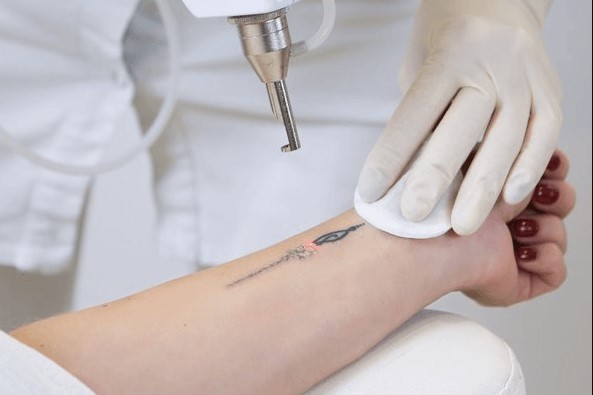
While laser hair removal is a generally safe and effective procedure, the presence of tattoos can complicate matters. The ink in tattoos can absorb some of the laser energy, which can lead to problems during the hair removal process.

How Tattoos Affect the Laser Treatment

The main issue with laser hair removal on tattooed skin is that the laser can heat up the ink, which can then burn the skin or cause other complications. Additionally, the laser might not be able to distinguish between the hair follicle and the ink, which can make the procedure less effective in removing hair.

Potential Risks and Complications

Other risks and complications of performing laser hair removal over tattoos include discoloration of the ink, scarring, and loss of tattoo vibrancy. Loss of ink vibrancy occurs when the laser causes the ink to fade, resulting in a less vivid tattoo.

If you have a tattoo and are interested in removing hair in the surrounding area, there are other options you can consider. While laser hair removal is a popular method, it may not be suitable for everyone. Here are some alternative hair removal techniques that you can try:

Waxing and Sugaring

Waxing and sugaring are both hair removal techniques that involve applying hot wax or a sugar paste to the skin, often using strips of cloth to remove the hair and wax or sugaring paste. This method can be effective in removing hair temporarily but is not a permanent solution. Waxing and sugaring are popular alternatives to laser hair removal because they are relatively inexpensive and can be done at home or at a salon. However, they can be painful and may cause skin irritation, especially if you have sensitive skin.

Electrolysis

Electrolysis is a permanent hair removal method that involves inserting a small needle into each hair follicle and using electricity to destroy the follicle. While electrolysis can be time-consuming, it is generally safe to use on tattooed skin and effective at removing hair permanently. Electrolysis is a good option if you are looking for a permanent solution to hair removal and are willing to invest the time and money required. However, it can be painful and may cause scarring or skin discoloration if not done correctly.

Shaving and Depilatory Creams

Shaving and using depilatory creams are quick and inexpensive ways to remove hair in areas with tattoos. Shaving involves using a razor to cut the hair at the surface of the skin, while depilatory creams dissolve the hair at the surface of the skin. Both methods are relatively painless and can be done at home. However, the results are temporary as the hair regrows relatively quickly, usually within a few days to a week. Additionally, depilatory creams can be harsh on the skin and may cause irritation or allergic reactions.

Ultimately, the best hair removal method for you will depend on your personal preferences and skin type. It’s important to do your research and consult with a dermatologist or licensed esthetician before trying any new hair removal technique, especially if you have sensitive skin or a history of skin allergies or reactions.

If you decide to pursue laser hair removal for tattooed skin, there are several precautions that you should take before treatment.

Consultation with a Professional

Before you undergo a laser hair removal treatment, it is essential to consult with a licensed professional. They will be able to examine your skin and tattoo in the area of treatment and determine whether laser hair removal is a viable option for you.

Patch Testing

Performing a patch test is crucial before starting laser hair removal. During the patch test, the laser technician will apply a small amount of laser energy to a small patch of skin to determine how your skin reacts. This will help to prevent any adverse reactions and ensure the treatment is safe and effective.

Preparing Your Skin for Treatment

Before undergoing a laser hair removal treatment, it is important to prepare your skin adequately. This might include avoiding sun exposure, avoiding certain medications, and avoiding the use of fake tans, lotions, or creams.

After undergoing laser hair removal for tattooed skin, you should take certain measures to care for the treated area and ensure the best possible results.

Managing Side Effects

It is common to experience some side effects after laser hair removal, including redness, swelling, and discomfort. Applying a cold compress, avoiding tight clothing, and using soothing creams can help to alleviate these symptoms.

Protecting Your Tattoo and Skin

After undergoing laser hair removal treatment, it is essential to avoid prolonged exposure to the sun and apply a high SPF sunscreen daily. This will help to protect the tattoo and the surrounding skin from sunburn and damage.

Maintaining Hair-Free Results

While laser hair removal can be very effective, it is essential to understand that it is not a permanent solution. Hair can grow back over time, albeit in smaller and thinner quantities. To maintain hair-free results, you will need to undergo maintenance treatments periodically.

In conclusion, laser hair removal can be a safe and effective option for removing hair, even over tattoos. However, it is crucial to take the necessary precautions and consult with a professional to ensure the procedure is


safe and effective. If you are hesitant about the procedure, consider alternative hair removal options such as waxing, electrolysis, or depilatory creams. By following the right precautions and care tips, you can enjoy hair- free results without compromising your tattoo’s vibrancy and health.

Can You Bring Face Wash on a Plane?

If you’re planning a trip by air and wondering if you can bring your favorite face wash with you, the answer is yes, but with some conditions. The Transportation Security Administration (TSA) has certain rules regarding the transportation of liquid items that you need to be aware of to avoid problems at the airport.

In this article, we’ll discuss TSA liquid rules and provide tips on how to pack your face wash for air travel, alternative options to liquid face wash, advice on skincare while traveling, and answers to some frequently asked questions.

Understanding TSA Liquid Rules

Before packing your face wash for air travel, it’s essential to understand the TSA’s rules. The agency has restrictions on the amount of liquid that is allowed in carry-on baggage. You can bring liquids, including face wash, in your carry-on as long as they are in containers that are no larger than 3.4 ounces or 100 milliliters per item.

It’s important to note that the TSA’s liquid rules were put in place after a foiled terrorist plot in 2006. The plot involved liquid explosives, which is why the TSA limits the amount of liquid that passengers can bring on board. The agency’s primary goal is to keep passengers safe while traveling.

Can You Bring Face Wash on a Plane?

The 3-1-1 Rule

The TSA has a rule known as the 3-1-1 rule for liquids in carry-on baggage. This rule specifies that you can bring a quart-sized bag of liquids, aerosols, gels, creams, and pastes on board. Each container in your bag has to hold no more than 3.4 ounces of liquid or gel. Ensure that the plastic bag is clear, sealable, and separate from your other carry-on luggage so that it can be screened quickly.

It’s important to remember that the 3-1-1 rule applies to all liquids, including water bottles, juice boxes, and even snow globes. If you’re unsure whether an item is considered a liquid, it’s best to check with the TSA before packing it in your carry-on bag.

Exceptions to the Rule

There are a few exceptions to the 3-1-1 rule. You can bring medication, baby formula, and breast milk in reasonable quantities that exceed the 3.4-ounce limit. However, you must declare these items for inspection at the security checkpoint. If you have a disability or a medical condition that requires liquids exceeding the limit, you can also make arrangements with the TSA in advance to accommodate your needs.

It’s important to note that the TSA may still need to inspect any liquids that exceed the 3.4-ounce limit, even if they fall under one of the exceptions. This is to ensure that the liquids are safe for travel and do not pose a security risk.

Overall, understanding the TSA’s liquid rules is essential for a smooth and stress-free travel experience. By following the 3-1-1 rule and declaring any exceptions, you can ensure that your liquids make it through security and that you’re able to enjoy your trip without any issues.

How to Pack Face Wash for Air Travel

Packing your face wash correctly for air travel is an important part of your pre-flight routine. Not only does it help you avoid leaks and spills, but it also ensures that you have your favorite face wash with you on your trip. Here are some tips on how to pack your face wash for air travel.

Choosing the Right Container

When it comes to choosing the right container for your face wash, there are a few things to consider. First, make sure that the container is leak-proof. The last thing you want is to arrive at your destination only to find that your face wash has leaked all over your other belongings. Look for a container that is specifically designed for travel or that has been tested to confirm that it does not leak.

Second, make sure that the container is no more than 3.4 ounces or 100 milliliters. This is the maximum size allowed by the TSA for liquids in carry-on luggage. If you are checking a bag, you can pack a larger container of face wash in your checked luggage.

Preventing Leaks and Spills

Once you have chosen the right container for your face wash, it’s important to take steps to prevent leaks and spills. One easy way to do this is to wrap your face wash container in a plastic bag or airtight plastic wrap. This helps prevent leaks and protects your other belongings from getting wet.

Another important step is to ensure that your container is not overfilled. Pressure changes in the cabin during the flight can cause the contents of your container to expand and overflow. To avoid this, only fill your container to about 75% of its capacity.

Additional Tips

In addition to choosing the right container and preventing leaks and spills, there are a few other tips to keep in mind when packing your face wash for air travel. First, make sure that you pack your face wash in a place where it is easily accessible. You will need to remove it from your carry-on bag during the security screening process, so make sure that it is easy to find.

Second, consider packing a travel-sized bottle of your favorite moisturizer or sunscreen. Air travel can be very drying for your skin, so having these items on hand can help keep your skin hydrated and protected. By following these tips, you can pack your face wash for air travel with confidence, knowing that it will arrive at your destination intact and ready to use.

Alternatives to Liquid Face Wash

If you prefer to avoid the hassle of packing liquid face wash in your carry-on, here are some alternative options.

Solid Face Cleansers

Solid face cleansers are an excellent alternative to liquid face wash. They come in bar or puck form and do not count as a liquid item. Solid face cleansers are great for travel since they take up less space, and are spill- proof.

Face Wipes and Towelettes

Face wipes and towelettes are another good option. They are individually wrapped and pre-moistened, making them convenient and easy to use. However, keep in mind that they may not be as effective as liquid or solid face wash in removing all impurities from your skin.

Tips for Skincare While Traveling

Traveling can cause changes in your skin’s appearance and health. Here are tips on how to take care of your skin while traveling.

Staying Hydrated

Drink plenty of water to keep your skin hydrated and refreshed. The pressurized, dry air inside a plane cabin can quickly dehydrate your skin, leading to wrinkles, fine lines, and flakiness. Carry a reusable water bottle, or purchase bottled water after you pass security checkpoints.

Adjusting Your Skincare Routine 

Consider adjusting your skincare routine to accommodate the changes that come with traveling. Use a more nourishing moisturizer, apply a broad-spectrum sunscreen, and bring along facial mist to give your skin a refreshing boost.

Frequently Asked Questions about Traveling with Face Wash

Can I Bring a Full-Sized Face Wash in Checked Luggage?

Yes, you can bring full-sized face wash in checked luggage. The 3.4-ounce limit only applies to liquids or gels in your carry-on bag. However, you can still place liquid face wash in your checked bag if you want to avoid the hassle of packing a smaller bottle in your carry-on.

What if My Face Wash is Medicated?

If your face wash is medicated or has a prescription-strength formula, you can travel with it as long as it adheres to the TSA’s liquid and container requirements. If you have concerns about your medication, talk to your doctor or pharmacist before your trip.

Conclusion

Traveling with face wash is allowed, but you must pack it in compliance with the TSA’s rules. You can choose to pack liquid face wash in your carry-on bag as long as you limit each container to 3.4 ounces or 100 milliliters, or go for alternatives like solid face cleansers or face wipes. Remember to adjust your skincare routine while traveling, and always stay hydrated to keep your skin healthy and glowing.

Can Redheads Safely Have Laser Hair Removal?

If you have red hair and are considering laser hair removal, you may be wondering if this treatment is safe and effective for your unique hair and skin type. Laser hair removal has become a popular method of hair removal in recent years, but not all laser technology is created equal.

In this article, we’ll discuss the science behind laser hair removal and how it works, the unique characteristics of red hair, and whether or not this treatment is a viable option for redheads.

Before we can discuss whether or not laser hair removal is safe and effective for redheads, we need to understand how it works. Laser hair removal is a cosmetic procedure that uses powerful laser technology to selectively target and destroy hair follicles. The laser emits a concentrated beam of light that is absorbed by the pigment in the hair follicle, damaging it to the point where it can no longer produce hair.

Can Redheads Safely Have Laser Hair Removal?

How Laser Hair Removal Works

The laser emits a specific wavelength of light that is absorbed by the pigment in the hair follicle. This light energy is then converted into heat energy, which damages the hair follicle. Over time and multiple treatments, the hair follicle is destroyed, and hair growth is permanently reduced or eliminated.

It is important to note that laser hair removal is not a one-time procedure. Multiple sessions are required to achieve the desired results. The number of treatments needed varies depending on the individual’s hair type, skin tone, and the area being treated. Generally, six to eight treatments are required, spaced four to six weeks apart.

Types of Lasers Used for Hair Removal

There are several types of lasers used for hair removal, but not all are suitable for red hair. The most commonly used lasers for hair removal are diode, alexandrite, and Nd: YAG lasers. Each laser type targets different pigments in the hair follicle, making certain lasers more effective for certain hair and skin types.

The diode laser is most effective for people with light to medium skin tones and dark hair. The alexandrite laser is best for people with lighter skin tones and medium to dark hair. The Nd: YAG laser is suitable for all skin types, but it is less effective for light-colored hair.

Factors Affecting Laser Hair Removal Efficiency

The effectiveness of laser hair removal depends on several factors, including hair thickness, skin type, and hair color. The darker and coarser the hair, the more effective treatment will be. In contrast, lighter hair colors like red, blonde, and grey may not respond as well to treatment as black or brown hair.

Another factor that affects the efficiency of laser hair removal is the area being treated. Areas with thicker hair, such as the bikini area or underarms, may require more treatments than areas with thinner hair, such as the upper lip or chin.

It is also important to note that laser hair removal is not suitable for everyone. People with certain medical conditions, such as diabetes or a weakened immune system, may not be good candidates for the procedure. Additionally, pregnant women should avoid laser hair removal, as the effects on fetal development are not yet known.

In conclusion, laser hair removal is a safe and effective way to permanently reduce or eliminate unwanted hair. While it may not be suitable for everyone, it is a popular choice for those looking for a long-term solution to hair removal.

Red hair is a genetic trait that is caused by a mutation in the MC1R gene. This gene is responsible for producing the pigment melanin, which gives hair and skin their color. Redheads have a lower concentration of melanin in their hair and skin, which can make them more susceptible to sun damage and skin sensitivity.

The Science Behind Red Hair

Red hair is caused by a variation in the MC1R gene, which alters the production and distribution of melanin. Melanin is produced by cells called melanocytes and travels through the hair shaft to give hair its color. In redheads, the production of melanin is limited, resulting in lighter hair color.

The unique genetic mutation that causes red hair is thought to have originated in the Middle East and then spread to Europe. Interestingly, red hair is most commonly found in people of Celtic and Northern European descent.

Melanin and Hair Color

Melanin is the pigment responsible for giving hair and skin their color. It is produced by melanocytes in the hair follicle and is transferred to the hair shaft as it grows. The amount and type of melanin produced determine hair color. People with higher concentrations of melanin will have darker hair, while those with lower concentrations will have lighter hair.

Red hair is not just lighter in color, it also has a unique texture. Redheads often have hair that is coarser and thicker than other hair colors. This can make it more difficult to style, but also gives it a unique and distinctive appearance.

Red Hair and Skin Sensitivity

Redheads have a higher risk of sun damage and skin cancer due to their lower levels of melanin. Melanin acts as a natural sunscreen, protecting the skin from the harmful effects of UV radiation. Without sufficient melanin, the skin is more vulnerable to sunburn, premature aging, and skin cancer.

However, it’s not all bad news for redheads. In addition to their unique hair color and texture, redheads also have some advantages. For example, they may be more resistant to certain types of pain and require less anesthesia during surgery. They also have a higher tolerance for spicy foods, thanks to a genetic variation that affects how they perceive heat.

In conclusion, red hair is a fascinating genetic trait that is caused by a unique mutation in the MC1R gene. While redheads may be more susceptible to sun damage and skin sensitivity, they also have many unique characteristics that make them stand out. From their distinctive hair color and texture to their resistance to pain and love of spicy food, redheads are truly one-of-a-kind.

While laser hair removal may not be as effective for red hair as it is for other hair colors, there are still options available for redheads seeking this treatment.

Effectiveness of Laser Hair Removal on Red Hair

Red hair has less pigment than other hair colors, making it more difficult for lasers to target hair follicles accurately. However, newer laser technologies like the Nd: YAG laser can target lighter hair colors like red and blonde, making the treatment more effective for these hair types.

Challenges and Limitations

Despite advances in laser hair removal technology, there are still limitations for treating red hair. Red hair may require more sessions and may not achieve the same results as other hair colors. Additionally, red hair is more prone to skin irritation and sensitivity, so it’s crucial to choose a qualified technician and follow proper pre- and post-treatment care instructions.

Alternative Hair Removal Methods for Redheads

If laser hair removal isn’t right for you, there are other hair removal methods available. Waxing, threading, and depilatory creams are all viable options. However, these methods may not provide the same long-term results as laser hair removal and may require more frequent maintenance.

If you decide to undergo laser hair removal, it’s essential to take the necessary safety precautions to protect your hair and skin and achieve the best possible results.

Pre-Treatment Consultation and Patch Test

Before starting treatment, you should consult with a qualified technician who can assess your hair and skin type and recommend the most appropriate laser for your needs. A patch test will also be performed to determine your sensitivity to the laser.

Choosing the Right Laser and Technician

It’s crucial to choose a qualified technician who has experience treating redheads and using the appropriate laser for lighter hair colors. Additionally, it’s essential to follow all pre- and post-treatment care instructions to avoid complications like skin irritation or discoloration.

Post-Treatment Care and Side Effects

After treatment, it’s essential to avoid sun exposure and use a broad-spectrum sunscreen to protect your skin. You may also experience redness, swelling, or slight discomfort following treatment, but these side effects typically go away within a few hours to a few days.

In conclusion, laser hair removal is a viable hair removal option for redheads, but it comes with certain challenges and limitations. While newer laser technologies are making the treatment more effective for lighter hair colors, red hair may still require more sessions than other hair types. It’s also essential to consult with a qualified technician and follow proper pre- and post-treatment care instructions to achieve the best possible results.