Can You Wear Makeup After Laser Hair Removal?

Laser hair removal is a popular cosmetic procedure that can remove unwanted body hair from the face, legs, arms, bikini area, and other parts of the body. Many people wonder if they can still wear makeup after laser hair removal.

The short answer is yes, you can wear makeup after laser hair removal sessions. However, there are a few things you need to keep in mind in order to ensure that your makeup does not interfere with the laser treatment or cause any irritation.

Can You Wear Makeup After Laser Hair Removal

What Is Laser Hair Removal?

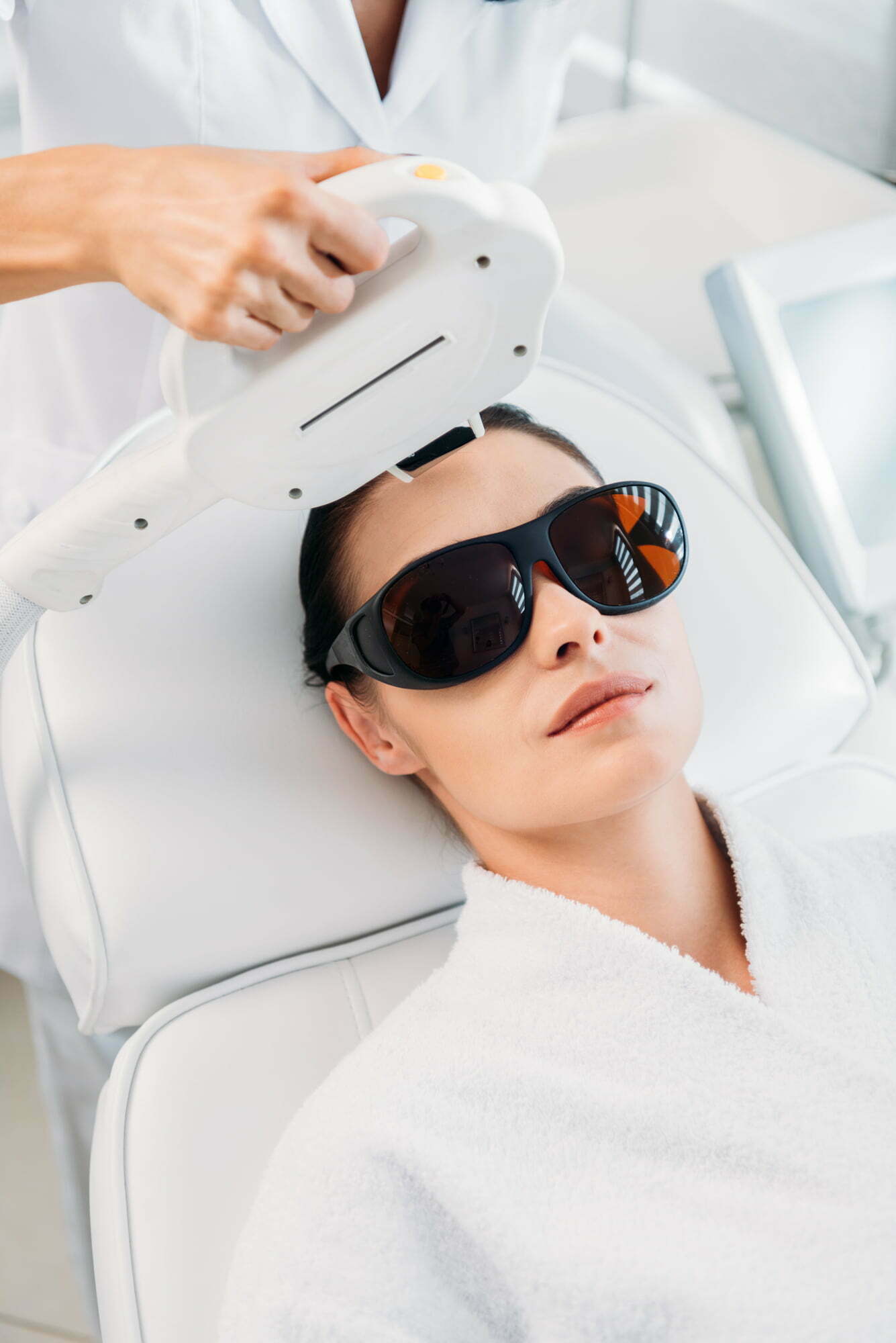
Laser hair removal is a popular beauty treatment that uses focused beams of light to remove unwanted hair. The treatment is most effective on dark, coarse hair, and it can be used on any part of the body.

Laser hair removal is usually performed by a licensed esthetician or dermatologist in a professional setting. The procedure generally takes 15-45 minutes, depending on the size of the area being treated.

Laser hair removal is considered a safe and effective way to reduce unwanted hair growth, and it typically requires 3-6 sessions for optimal results. Some common side effects include redness, swelling, and bruising, but these typically resolve within a few days.

How Does Laser Hair Removal Work?

Laser hair removal utilises laser light technology to destroy hair follicles. The light is absorbed by the pigment in the hair, and the heat from the laser destroys the follicle.

The surrounding skin is unharmed. Laser hair removal can be used on any area of the body where unwanted hair growth is a problem. It is most commonly used on the face, legs, bikini line, and underarms.

The number of treatments required depends on the type of laser used, the color and thickness of the hair, and the size of the area being treated. Most people need between four and six treatments to see significant results.

What Are The Benefits Of Having Laser Hair Removal Done?

Laser hair removal is a popular cosmetic procedure that uses laser energy to target and remove unwanted hair. The benefits of laser hair removal include the following:

  • It is a relatively fast and simple procedure that can be performed in a quick office visit.
  • It is safe and effective for most skin types.
  • It can be used to target small, specific areas of unwanted hair, or large areas such as the back or legs.
  • It produces long-lasting results, with many patients seeing a significant reduction in hair growth after just a few treatments.

If you are considering laser hair removal, be sure to consult with a qualified dermatologist or plastic surgeon who has experience with this type of treatment. They will be able to answer any questions you may have and help you determine if this is the right choice for you.
Can You Wear Makeup After Laser Hair Removal

How To Prepare For Your Laser Hair Removal Appointment

The laser technology procedure is relatively quick and painless, and it can produce long-lasting results depending on your hair colour, and hair types. For example, dark hair with light skin tones will have better results, as there’s a greater contrast for the laser light technology.

Your laser hair removal technician will tell you beforehand, how effective the results will be for your skintone, and hair colour, deciding if you are a candidate for laser hair removal or not. However, there are a few things you should do to prepare for your laser hair removal appointment.

First, you should avoid sun exposure for at least two weeks prior to treatment. This will help to prevent any skin irritation or burns. Second, you should shave the entire treatment area before your appointment.

This will help the laser to target the hair follicles more effectively. Finally, you should wear loose, comfortable clothing to your appointment.

Tight clothing can restrict movement and make the treatment less effective. By following these simple tips, you can ensure that you have a successful laser hair removal experience.

What To Expect During Your Laser Hair Removal Appointment

Laser hair removal is a popular treatment for unwanted hair, and with good reason. laser treatments are safe, effective, and relatively painless.

Plus, they can be used on nearly any area of the body. If you’re considering laser hair removal, here’s what you can expect during your appointment.

First, your aesthetician will consult with you to discuss your goals for treatment. Next, they will test the laser on a small area of skin to ensure that you are comfortable with the sensation.

Then, the laser will be applied to the treatment area in short pulses. You may feel a slight tingling or warmth during the treatment, but it should not be painful. After the treatment is complete, your aesthetician will apply a cooling gel to soothe the skin.

Laser hair removal requires multiple treatments for best results, so expect to schedule several appointments. However, you should start to see a reduction in hair growth after just one or two treatments.

With each successive hair removal methods treatment, you can expect even more dramatic results. So if you’re ready to say goodbye to unwanted hair, laser hair removal may be right for you.

Can You Wear Makeup After Laser Hair Removal?

Many people who undergo laser hair removal treatment are curious about the aftercare and what they should do to ensure the best results, during your healing time.

One common question is whether or not it is safe to wear makeup after laser hair removal. The short answer is yes, you can wear makeup after laser hair removal; however, there are a few things you need to keep in mind.

First, it is important to wait at least 24 hours before applying makeup to the treated area. This will give your skin time to heal and prevent any irritation. Second, make sure to use a gentle, non-abrasive makeup that will not irritate your skin. Also ensure you have a gentle skincare routine as you will have sensitive skin after a laser hair treatment.

And lastly, avoid using makeup that contains oils or other ingredients that could interfere with the laser treatment, and upset your sensitive skin. Following these simple tips will help you enjoy beautiful, smooth skin without any complications from your laser skin treatments.

How To Care For Your Skin After Laser Hair Removal

Laser hair removal is a popular treatment for unwanted hair. The procedure uses laser energy to target and destroy the hair follicles, resulting in permanent hair reduction.

Although laser hair removal is generally safe and effective, it can sometimes cause side effects, such as skin irritation. To help care for your skin after laser hair removal, it is important to follow a few simple tips.

First, avoid sun exposure or hot showers for at least two weeks after treatment. This will help to prevent any irritation or inflammation. Second, use a gentle cleanser and moisturizer to keep the skin hydrated.

Finally, avoid any strenuous activity or exposure to heat for 24 hours after treatment. By following these simple tips, you can help ensure that your skin heals properly after laser hair removal. You will get proper aftercare instructions, so don’t worry too much.

Can You Wear Makeup After Laser Hair Removal

Does Laser Hair Removal Hurt?

Laser hair removal procedure is safe, effective, and relatively painless. Plus, it can be used on nearly any area of the body. If you’re considering laser hair removal, there are a few things you need to know before your appointment. First, your aesthetician will consult with you to discuss your goals for treatment.

Next, they will test the laser on a small area of skin to ensure that you are comfortable with the sensation. Then, the laser will be applied to the treatment area in short pulses.

You may feel a slight tingling or warmth during the treatment, but it should not be painful. After the treatment is complete, your aesthetician will apply a cooling gel to soothe the skin.

Laser hair removal requires multiple treatments for best results, so expect to schedule several appointments. However, you should start to see a reduction in hair growth after just one or two treatments.

With each successive treatment, you can expect even more dramatic results. So if you’re ready to say goodbye to unwanted hair, laser hair removal may be right for you.

How to Improve the Texture of Your Skin: Tips for Glowing, Radiant Complexion

Do you long for smooth, radiant skin? Are you tired of your skin feeling dry and rough? If so, you’re not alone. Many people struggle with skin texture issues.

Fortunately, there are a few things that you can do to improve the texture of your skin and achieve a glowing complexion. In this blog post, we will discuss some tips for achieving healthy, beautiful skin.

How to Improve the Texture of Your Skin Tips for Glowing, Radiant Complexion

What does textured skin feel and look like?

The surface of textured skin feels rough to the touch, as if it has been graveled. The outer layer of the skin tends to look dull and matte, without the healthy sheen of normal skin. Fine lines may be visible, as well as large pores.

You might experience dry skin, tight skin, sensitive skin or flaky skin. This uneven skin tone can result in an uneven skintone, which makes it difficult to apply foundation over the top.

In extreme cases, the uneven skin texture can crack and bleed. This dry skin condition is often caused by a build-up of dead skin cells as a surface layer of skin. This build-up of dead cells will leave you with dull skin, which need to be sloughed away from the skin surface, and this will improve the uneven texture issues you may be experiencing.

The build-up of dead cells can be the result of an imbalance in the natural exfoliation process, or it may be caused by external factors such as sun damage or windburn. It could also be down to a lack of skincare routine, within your beauty routine.

Textured skin is often dehydrated skin, so it is important to keep the area well-moisturised. A combination of gentle cleansing, exfoliation, and hydration will help to restore the natural balance of the skin and smooth out the rough texture, resulting in giving you smooth skin, and more healthy skin, with your rough skin texture being a thing of the past.

Exfoliate your skin regularly

One of the best ways to keep your skin looking healthy and radiant is to exfoliate regularly. Exfoliation helps to remove dead skin cells and improve circulation, which can give your skin a more youthful appearance.

There are a variety of ways to exfoliate, including using a scrub, brush, or loofah. You can also find products that contain exfoliating ingredients such as salt, sugar, or coffee grounds.

Whatever method you choose, be sure to use gentle pressure and avoid scrubbing too hard, as this can damage the skin. Exfoliating just once or twice a week can make a big difference in the health and appearance of your skin.

Indulge in chemical peels once a month

For many of us, the thought of indulging in a chemical peel conjures up images of red, raw skin and a week spent hiding away from the world. However, when performed correctly, a chemical peel can be an extremely effective way to improve the texture of your skin.

By removing the outermost layer of dead skin cells, a chemical peel can help to reduce the appearance of fine lines, wrinkles, and sun damage. In addition, it can also help to stimulate the production of collagen, resulting in firmer, more youthful-looking skin.

When performed once a month, a chemical peel can be an invaluable tool in your quest for flawless skin, as well as helping to reduce the appearance of acne scars, age spots, dark spots and improve textured skin.

How to Improve the Texture of Your Skin Tips for Glowing, Radiant Complexion

Which skincare products should I use to improve the appearance of my textured skin?

When it comes to improving the appearance of textured skin, there are a few key skincare ingredients that you should look for. Products containing both vitamin c and lactic acids are great for brightening, giving you smoother skin.

While products with omega-3 fatty acids, and alpha hydroxy acids can help to improve the skin’s texture. If you’re not sure which products to use, talk to a dermatologist or skincare specialist. They can help you choose the right products for your specific skin type and concerns.

Drink plenty of water to keep your skin hydrated from the inside out

Drinking plenty of water is essential for keeping your skin hydrated and healthy. When your body is properly hydrated, your skin cells are able to retain moisture more effectively, resulting in plumper, more youthful-looking skin.

In addition, water helps to flush out toxins that can damage skin cells and lead to premature aging. So, how much water should you drink each day? While there is no hard and fast rule, most experts recommend aiming for eight glasses of water per day.

And, if you are to exercise regularly or spend time in hot, humid conditions, you may need even more. So, next time you reach for a soda or coffee, take a moment to consider the benefits of plain old H2O and make sure you are getting enough to keep your skin looking its best.

Use a moisturizer every day

Moisturizer is an essential step in any skin care routine, regardless of skin type. Even if you have oily skin, it’s important to moisturize every day. Moisturizer helps to balance the skin’s natural oil production, and it can also help to reduce the appearance of enlarged pores.

In addition, moisturizer provides a barrier against environmental aggressors, such as pollution and UV rays. And while it’s important to choose a moisturizer that’s appropriate for your skin type, don’t be afraid to experiment until you find a formula that works for you.

With so many different options on the market, there’s sure to be a moisturizer out there that will leave your skin looking and feeling its best.

How to Improve the Texture of Your Skin Tips for Glowing, Radiant Complexion

Apply sunscreen every day before going outside, even in winter

It’s no secret that sunscreen is important for protecting your skin from the harmful effects of the sun. But what many people don’t realize is that sunscreen is just as important in winter as it is in summer.

Even on cloudy days, the sun’s ultraviolet rays can penetrate the atmosphere and cause damage to your skin. And while you may not spend as much time outdoors in winter, the cold weather can actually make your skin more susceptible to sunburn, and skin damage. UV radiation is harmful to the skin all year round, regardless of the temperature.

So whether you’re hitting the slopes or just running errands, be sure to apply sunscreen every day before you go outside. It may seem like extra work, but it’s worth it for the sake of your skin. Office treatments and laser skin resurfacing to reverse sun damaged skin are expensive and invasive, so prevention is always better than cure.

Avoid smoking and drinking alcohol

Everyone knows that smoking and drinking are bad for your health. But few people realize that these habits can also take a toll on your skin. Smoking causes the blood vessels in the skin to constrict, which reduces blood flow and leads to a dull, gray complexion.

In addition, the chemicals in cigarettes damage collagen and elastin, two proteins that help keep skin looking young and healthy. Alcohol consumption can also cause skin problems. Drinking alcohol dehydrates the body, including the skin, leading to dryness, flakiness, and fine lines.

Furthermore, alcohol consumption can increase inflammation, which can exacerbate existing skin conditions such as acne or psoriasis. To protect your skin from the damaging effects of smoking and drinking, it is important to avoid these habits altogether.

Get enough sleep

Most people know that getting enough sleep is important for their overall health, but did you know that it can also help to improve your skin health? When you’re well-rested, your skin will look brighter and healthier.

In addition, getting enough sleep helps to reduce inflammation and can even help to prevent wrinkles. So if you’re looking for a way to improve your skin health, be sure to get plenty of rest. You’ll see a difference in your uneven skin texture in no time.

How to Improve the Texture of Your Skin Tips for Glowing, Radiant Complexion

Can a laser treatment help with textured skin?

People with textured skin often feel like they have to work harder to keep their skin looking smooth and radiant. A number of factors can contribute to textured skin, including genetics, age, sun damage, and inflammation.

Treatment options vary depending on the cause of the textured skin, but some people may find success with laser treatments. Laser treatments work by targeting the deeper layers of the skin to stimulate collagen production.

This can help to smooth out the uneven skin texture and improve its overall appearance. If you’re considering a laser treatment for your textured skin, be sure to consult with a board-certified dermatologist to discuss your options and determine if this treatment is right for you.

These are just a few of the many ways you can improve uneven skin texture. By following these tips, you can achieve glowing, radiant skin that feels soft and smooth to the touch. So don’t wait any longer, put these tips into action and see for yourself how they can help improve your complexion. Your skin will thank you!

Shampoo Bars: What Are They? What Are The Benefits?

You may have heard a lot of buzz surrounding shampoo bars lately, but what are they?! Shampoo bars are a solid tablet, made with natural ingredients, and no water, and are designed to work like a conventional shampoo, yet in solid tablet form.

Shampoo bars can be used as shampoo once held underwater, and they’re designed to wash away dirt, oil and impurities from the hair and scalp, without stripping away any natural oils, like conventional shampoos can.

Shampoo Bars: What Are They? What Are The Benefits?

What Are The Benefits of Shampoo Bars?

Shampoo bars are a convenient, eco-friendly and cost efficient alternative to traditional shampoo. They’re sold in a solid form and come in a variety of shapes and scents, with different variations to suit different hair types and textures.

Some people find conventional shampoos to be irritating, especially if they suffer from skin sensitivities, sensitivity to fragrances, or have allergies. By using shampoo bars, you can avoid using harsh chemicals, but they’re more gentle on the hair and scalp. People who suffer from allergies can use a shampoo bar as it contains no synthetic materials or preservatives.

Plus, shampoo bars tend to work well for individuals who have more of an oily scalp or hair type because of their natural ingredients which help cleanse the hair without stripping it of its natural oils.

What Are Shampoo Bars Made With?

Shampoo bars are composed of soap, which is usually made with coconut oil, olive oil, shea butter and cocoa butter. Sometimes they also contain additives like essential oils or other ingredients that can be beneficial to hair.

These bars are very easy to use and don’t require any additional help like shampoos or conditioners do. The big difference between a shampoo bar and a conventional shampoo, is the sulfates, which many try to avoid, especially if they have curly hair, as sulfates can be very drying and stripping on the hair.

Shampoo Bars: What Are They? What Are The Benefits?

How To Use A Shampoo Bar?

Shampoo bars are solid blocks, and they need to be wet before using on the hair. To create a lather, people recommend dampening the bar, and then rub the bar between your palms, to create a gentle lather, before massaging into the scalp and hair, and rinsing away like you would with a conventional shampoo.

Popular shampoo bar brands like Lush, sell their shampoo bars, but also sell special tins or cork containers to store the shampoo bar between uses. As they have no outer packaging, they can disintegrate when damp, so it’s important to store them somewhere air-tight when not in use, so they don’t get wasted.

The rise of shampoo bars in the beauty world is no secret; we can see them in most high-end and mainstream drugstores and grocery stores. Shampoo bars are easy to pack, travel with, and use. And they leave your hair feeling squeaky clean with less build-up than traditional shampoos.

Why You Should Wear Perfume: The Surprising Benefits of Fragrance

When it comes to wearing perfume, there are many misconceptions. Some people believe that you only wear perfume if you want to attract someone else. Others believe that you should only wear perfume if you want to cover up body odor.

However, the truth is that there are many benefits to wearing perfume – and you don’t need to be trying to attract anyone else! In this blog post, we will discuss the benefits of wearing perfume and why it’s important for your health and wellbeing.

Why You Should Wear Perfume The Surprising Benefits of Fragrance 1

What Is Perfume?

Perfume is a mixture of essential oils, alcohol, and water. The essential oils are extracted from flowers and other plant materials. These essential oils are then combined with alcohol and water to create a concentrated solution.

The concentration of the perfume will determine how long it will last on your skin. For example, eau de parfum has a higher concentration of essential oils and will last longer than eau de toilette.

The Benefits of Wearing Perfume

There are many benefits to wearing perfume, including:

  • Wearing perfume can boost your mood.
  • Wearing perfume can make you feel more confident.
  • Wearing perfume can help you relax.
  • Wearing perfume can improve your concentration.
  • Wearing perfume can mask body odor.
  •  Wearing perfume can make you feel more attractive.
  • Wearing perfume can boost your self-esteem.

As you can see, there are many reasons why you should wear perfume. Whether you want to boost your mood or trigger memories you perhaps forgot, perfume can help.

Perfume and Your Health

In addition to the benefits listed above, wearing perfume can also have positive effects on your health. For example, lavender oil has been shown to reduce anxiety and improve sleep quality.

For example, ylang-ylang oil has been shown to lower blood pressure and heart rate. And peppermint oil has been shown to improve concentration and mental alertness.

Why You Should Wear Perfume The Surprising Benefits of Fragrance 1

How to Choose the Right Perfume

Now that you know the benefits of wearing perfume, you might be wondering how to choose the right perfume for you.

When choosing a perfume, it’s important to keep in mind the following:

  • Your skin type
  • The season
  • The occasion
  • Your personal preferences

For example, if you have sensitive skin, you might want to choose a perfume with fewer essential oils. Or if you’re going to be outside in the heat, you might want to choose a light perfume that won’t be too overwhelming.

It’s also important to keep in mind the occasion. For example, you wouldn’t wear the same perfume to a job interview as you would to a party.

And finally, it’s important to choose a perfume that you personally like. After all, you’re the one who has to wear it! Don’t be afraid to experiment until you find a perfume that you love.

Perfume and Your Emotions

As we mentioned before, perfume can have a positive effect on your emotions. In fact, research has shown that certain scents can trigger memories and emotions.

For example, the scent of roses might remind you of a romantic moment in your life. Or the scent of citrus might remind you of a summer vacation.

In addition to triggering memories, certain scents can also have a positive effect on your mood. For example, the scent of lavender has been shown to reduce anxiety and improve sleep quality. And the scent of peppermint has been shown to improve concentration and mental alertness.

How to Use Perfume

Now that you know the benefits of wearing perfume, you might be wondering how to use it.

First, it’s important to choose the right perfume for you. As we mentioned before, this will depend on your skin type, the season, the occasion, and your personal preferences.

Once you’ve chosen a perfume, it’s time to apply it. The best way to do this is to spray it on your pulse points. These are the areas of your body where your veins are closest to the surface of your skin.

Why You Should Wear Perfume The Surprising Benefits of Fragrance 1

Some of the most common pulse points are:

  • The inside of your wrists
  • The base of your throat
  • Behind your ears
  • In the crook of your elbow
  • In the center of your chest

When applying perfume, it’s important to start with a light layer. You can always add more if you want a stronger scent. It’s also important not to rub your wrists together after spraying perfume on them. This will cause the perfume to break down and lose its scent.

Finally, it’s important to keep in mind that less is more when it comes to perfume. You don’t want to wear so much that people can smell you from across the room.

As you can see, there are many benefits of wearing perfume. Whether you want to boost your mood or trigger memories, perfume can help. So next time you’re looking for a pick-me-up, reach for your favorite perfume.

How To Get Rid of Ingrown Hairs: 3 Best Ways to Prevent and Treat Them

Ingrown hairs are one of the most common and frustrating side effects of shaving. The risk of getting an ingrown hair is highest when you shave against the grain. Ingrown hairs are when your hair grows back into the skin. Instead of exiting the skin, it becomes trapped and can cause pain, redness, and itchiness.

It can also become infected. If you’ve ever had a pimple, you’ll know what it’s like for your skin to react to an ingrown hair. Preventing and treating ingrown hairs isn’t easy, but with these tips you’ll get the most out of your razor and your skin at the same time.

How To Get Rid of Ingrown Hairs: 3 Best Ways to Prevent and Treat Them

What Are Ingrown Hairs?

An ingrown hair is when your hair grows back into the skin instead of exiting it. It’s a common side effect of shaving, and the risk of getting an ingrown hair is highest when you shave against the grain. The ingrown hairs can cause pain, redness, and itchiness.

Tips for Preventing Ingrown Hairs

If you have a razor which you use to shave your skin, try switching out the blade before you shave. Blades are usually made of metal and will eventually dull when they’re used too many times. By replacing the blade before every shave, you can reduce the risk of ingrown hairs by getting a close hair removal without irritating your skin.

How To Get Rid of Ingrown Hairs: 3 Best Ways to Prevent and Treat Them

Also, be sure to apply some sort of shaving cream before shaving. If you don’t have access to shaving cream, try using soap instead. When it comes to ingrown hairs, prevention is key. You can prevent an ingrown hair from happening by taking care of your skin before and after you shave.

Some people may experience more ingrown hairs than others because their skin is more prone to them, or they have sensitive skin that’s easily irritated and irritated by shaving products or razors. If this is the case for you, try changing blades or shaving creams as often as needed-you might find that this makes a big difference in how often ingrown hairs happen for you!

3 Best Ways to Treat Ingrown Hairs

1. Exfoliate regularly: To prevent ingrown hairs, it’s important to exfoliate your skin before shaving. It’s best not to shave without first exfoliating because the razor will catch on any dead skin cells on your skin and cause an ingrown hair. Use a product like St. Ives Apricot Scrub or a scrubby wash cloth to remove dirt and dead skin cells from the surface of your skin.

2. Lather up with shaving cream: In order to avoid an ingrown hair, you should always lather up before shaving. This includes wetting your stubble and applying plenty of shaving cream before you shave, even if you’re going against the grain.

How To Get Rid of Ingrown Hairs: 3 Best Ways to Prevent and Treat Them

3. Shave in the direction of hair growth: Shaving against the grain is how you get ingrown hairs in the first place, so make sure that you shave in the direction of hair growth instead! Doing this will help prevent razor burn, scrapes, and cuts while also reducing ingrown hairs.

Ingrown hairs are a common issue for many people, but they’re especially prevalent in those with curly hair, who may also have coarse hair that grows in many directions. If you’re someone who has a lot of ingrown hairs, it may seem like there’s no way to prevent them. But that is not the case. By ensuring you exfoliate regularly, use a fresh razor, and shaving in the direction of the hair growth, it’ll help you to avoid pesky ingrown hairs.