Can You Tan After Laser Hair Removal?

Have you ever wished for a more permanent solution to hair removal that would allow you to go days, weeks, or even months without having to shave, while avoiding skin damage?

Laser hair removal may be the answer – but with it comes the question: can you tan after laser hair removal?

I’m going to share how laser hair removal affects tanning. Among the potential concerns are possible reactions and the safety of your skin.

Read on to learn about if and how you can successfully tan after laser hair removal…

Can You Tan After Laser Hair Removal?

What Happens During The Laser Hair Removal Process?

The laser hair removal process is a relatively safe, quick and permanent way to get rid of unwanted body hair, reducing habitual actions that cause skin damage.

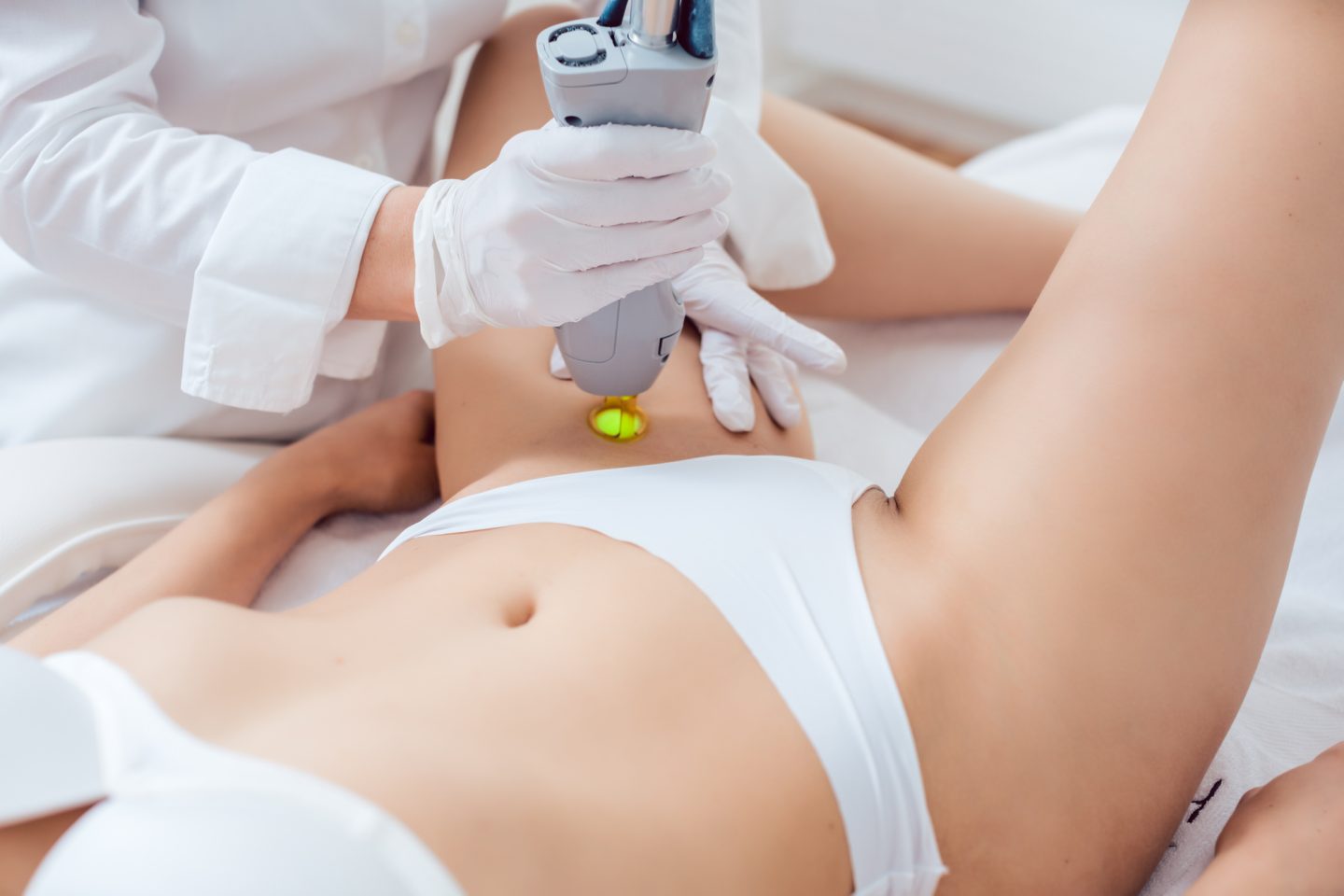
During the procedure, a technician directs a beam of highly concentrated light into areas containing unwanted hair, causing reactions within the follicles that prevent future growth.

This light is absorbed by the melanin in the hairs resulting in thermal damage—the heat from this process destroys the follicles which prevents future hair growth.

Before any laser treatment session, clients are asked to thoroughly cleanse and exfoliate their skin and to avoid sun exposure for several weeks before avoid exacerbating any potential skin damage or adverse reactions.

Since some lasers may be attracted to pigmentation, technicians may also ask patients to avoid tanning or using self-tanner, as part of the consultation.

Before beginning the procedure, technicians will determine which type of laser best suits their client’s needs and then adjust its settings accordingly based on factors such as the color of their skin and type of hair being treated.

Once prepared, technicians will move an applicator over sections of skin that contain unwanted hair, allowing pulses of light from the device to pass through while periodically cooling its surface with a built-in refrigeration system designed explicitly for this purpose.

Depending on how much hair needs removing and other factors such as skin sensitivity, multiple treatments may be required, but due to improved technologies, results tend to occur faster than traditional methods used before lasers became popular for this purpose.

Can You Tan After Laser Hair Removal?

The laser hair removal process makes your skin more sensitive to sunlight, which can lead to complications like hyperpigmentation, increased skin damage or even burns.

Even on cloudy days, UV rays can penetrate through and cause reactions in your skin, so don’t skip the sunscreen.

Keep in mind that tanning after laser hair removal is strongly discouraged. You’ll need to wait at least two weeks post-treatment before considering any form of tanning, be it natural or artificial.

This period allows your skin to heal properly from the laser treatment without additional stress caused by UV exposure, further helping to prevent skin damage.

Hydrating your skin is also an essential part of post-procedure care. Opt for a good moisturizer that suits your skin type and apply it religiously to keep the treated area soft and smooth, which can help avoid reactions and contribute to your overall consultation goals.

Avoid hot showers or baths for a day or two post-treatment as they could exacerbate irritation, potentially leading to skin damage.

Remember these guidelines for optimal results from your laser hair removal treatment while maintaining healthy and radiant-looking skin throughout the process as part of your comprehensive consultation.

Risks of Sun Exposure Post-Treatment

Don’t let the sun’s harmful rays undo all the hard work and effort put into your recent treatment. It’s important to understand that tanning after laser hair removal can be risky for your skin, causing reactions and exacerbating skin damage.

The procedure makes your skin more sensitive to sunlight, which increases the likelihood of developing sunburns or hyperpigmentation, due to skin damage. Always seek professional consultation post-treatment to ensure safety and achieve the most effective results. Direct exposure to UV rays post-treatment might cause redness, inflammation, or even burns on already sensitive skin. This could lead to scarring, which complicates the treatment plan and also affects the health and growth of the hair follicle.

Besides discomfort, it also delays your healing process significantly and might lead to unwanted side effects like dark spots or skin discoloration. These effects might interfere with the treatment plan and result in permanent scarring if not managed appropriately.

Furthermore, if you tan too soon after a laser hair removal session, you risk reducing its effectiveness because the contrast between hair and skin color is less distinct. This can impede the laser’s ability to target the hair follicle accurately and thereby diminish the results of your treatment.

To protect yourself from these risks, consider using a broad-spectrum sunscreen with an SPF of at least 30 whenever you step out in the sun post-treatment. This will shield your hair follicles and limit any potential scarring or redness.

You should also avoid direct sun exposure as much as possible during peak hours – typically between 10 am and 4 pm. The sun’s rays are at their most potent during these times, and your skin, especially the hair follicles, might be more susceptible to damage post-treatment.

After a laser hair removal treatment, your skin is more sensitive to the sun’s harmful UV rays and can easily get burned or damaged. Scarring could result, disrupting your treatment plan and impacting the health of the hair follicle.

Expert Recommendations on Sunbathing

Here are three guidelines to remember:

Wait before you tan: Allow your skin some time to heal post-treatment. This usually takes about two weeks, but it may vary depending on individual skin types and sensitivity. Giving your skin time to recover also prevents scarring and ensures the hair follicle is not adversely affected.

  1. Use sunscreen religiously: Even if you’re just running errands outside, slather on a broad-spectrum sunscreen with an SPF of at least 30. Remember, reapply every two hours for optimal protection. This habit will protect your skin, prevent scarring, and support your treatment plan.
  2. Opt for self-tanners: If you’re eager to achieve that bronzed look immediately after treatment, consider using self-tanning products instead of natural sunlight or tanning beds.
  3. Remember, protecting your skin from the sun’s harmful rays isn’t just about maintaining the effectiveness of your laser hair removal sessions—it’s also about preventing long-term damage like premature aging, scarring, and skin cancer.

Slathering on sunscreen isn’t simply a summer ritual, but it’s rather an essential practice to safeguard your skin from harmful UV rays, even when they’re not visibly harsh. This is especially beneficial for the treatment plan and maintaining the health of the hair follicle.

Expert Recommendations on Sunbathing

Effective Sunscreen Practices

Firstly, use a broad-spectrum sunscreen that blocks both UVA and UVB rays with at least SPF 30 protection. This high-grade protection is especially necessary for people who’ve undergone laser hair removal due to the skin’s increased sensitivity and the need to safeguard the hair follicle.

Apply the product generously 15 minutes before going outside to give it enough time to absorb into your skin properly. This step is critical in preventing UV ray-induced scarring and maintaining your laser hair removal treatment plan.

Furthermore, don’t forget about reapplication! Even the best sunscreen needs refreshing after two hours of sun exposure or immediately after swimming or excessive sweating.

You might think you’re covered for the day with just one application in the morning, but that’s not exactly how it works.

Remember also that no corner of your exposed skin should be left unprotected; pay attention to areas like ears and back of hands which are often overlooked but equally prone to sun damage. Wearing protective clothing can provide additional defense against harmful rays.

After laser hair removal, your skin may be more sensitive than usual. Therefore, it’s important to protect it from the sun’s harmful rays, following your treatment plan diligently to avoid potential scarring and to support healthy hair follicle growth.

Maintaining Healthy Skin Post-Treatment

Give your skin a break; avoid sun exposure for at least two weeks after treatment. This helps prevent any pigmentation changes or burns and protects the hair follicles while avoiding any risk of scarring.

Keeping your skin hydrated is another vital step in aftercare. Apply a gentle moisturizer regularly, especially on the treated areas. This helps soothe any irritation and promote healing, preventing scarring and supporting the treatment plan by maintaining the health of the hair follicle.

Also, remember that exfoliation plays an integral role in maintaining smooth skin post-laser hair removal. It helps to eliminate dead skin cells that could obstruct new growth from the hair follicle and form potential scar tissue.

About a week after treatment, gently exfoliate dead skin cells away with the use of an approved product to help new ones regenerate better. It’s like giving your skin a fresh start, similar to the transformative glow some clients observe after professional UV light treatment in a salon.

When you feel like getting some color back into your life, consider using fake tan products rather than exposing yourself directly to the sun or tanning beds, which are harmful for the skin. An alternative can also be laser treatments, that offer a more controlled tanning environment unlike traditional tanning salons.

But remember to treat your skin gently, so wait at least 2 weeks post-treatment before attempting this too. After all, rushing the process could do more harm than good, same as exposing your skin to UV light too soon after receiving laser treatments.

It’s crucial to wait at least two weeks after your laser hair removal session before you can start using self-tanning products. The wait time is similar to when you go to a salon for a spray tan after UV light laser treatments.

How Soon After Laser Hair Removal Can I Start Using Self-Tanning Products?

This allows your skin time to heal and reduces the risk of irritation or discoloration. Remember, your skin can be sensitive post-procedure, just like how skin behaves after laser treatments at the salon, so it’s best to give it a bit of breathing space before introducing anything new.

Yes, laser hair removal can affect your skin’s natural tanning. The procedure targets melanin, the pigment responsible for both hair color and skin tan. Thus, it may interfere with your ability to get a natural tan for a while post-treatment, just like traditional salon-based UV light tanning sessions.

Can Laser Hair Removal Affect the Natural Tanning of My Skin?

Also, your skin might be more sensitive to the sun after laser hair removal, increasing the risk of sunburn. It’s recommended you avoid excessive sun exposure or use strong sunscreen immediately following treatment, just like you would after UV light procedures at the salon.

Yes, laser hair removal treatment can increase your skin’s sensitivity to the sun. It’s advised to avoid sun exposure before and after your treatments for a period of 6 weeks or as recommended by your dermatologist, similar to the guidelines often shared at a salon after UV light-based treatments.

Does Laser Hair Removal Treatment Increase My Sensitivity to The Sun?

Does Laser Hair Removal Treatment Increase My Sensitivity to The Sun?

This is because the lasers target melanin, which can make your skin more susceptible to sun damage. Hence, when you’re out in the sun post-treatment, equip yourself with a good sunscreen, just like you would when lounging at the salon under UV light.

Yes, tanning before your laser hair removal session can impact the effectiveness of the treatment. In contrast to a salon-based UV light session, here, when you tan, your skin darkens and this can make it harder for the laser to target your hair follicles effectively.

Will Tanning Before a Laser Hair Treatment Impact the Effectiveness of The Treatment?

It’s best to avoid tanning, both natural and artificial, for at least 4 weeks before your appointment. This includes not using tanning beds or UV light devices at a salon.

This ensures that your skin is in its most natural state for optimal results from the laser treatment, just like the skin conditioning measures recommended before you hit the salon for UV light therapy.

After laser hair removal, it’s recommended to avoid using a tanning bed for at least two weeks. The treatment leaves your skin extra sensitive and tanning can increase the risk of hyperpigmentation and burns, just like UV light exposure at a salon can.

Can I Use a Tanning Bed After Undergoing Laser Hair Removal?

Even after this period, ensure you apply a high SPF sunscreen before exposing your skin to UV rays. It’s always best to consult with your technician or dermatologist on when it’s safe to resume tanning post-treatment, just like they do at a salon after UV light procedures.

Can you tan after laser hair removal? Generally, it’s best to avoid tanning and direct sun exposure for two weeks post-treatment.

Summary

Can you tan after laser hair removal? Generally, it’s best to avoid tanning and direct sun exposure for two weeks post-treatment.

The process makes your skin more susceptible to UV rays which can cause harms like hyperpigmentation or burns.

Opt for self-tanner or protective clothing if you want to get a bit of color into your life during this time.

Apply sunscreen every two hours when you’re out in the sun post-laser hair removal treatment and ensure that no corner of your exposed skin is left unprotected from its harmful UV rays.

Can You Get Laser Hair Removal While On Your Period?

Do you hate when your period cramps and cravings get in the way of your beauty routine? Have you been wondering can you get laser hair removal while on your period?

Well, look no further! In this blog post, we’ll answer all your questions about Laser Hair Removal during your menstrual cycle so that you can maintain a smooth, silky complexion without any worries!

Can You Get Laser Hair Removal While On Your Period?

What Is Laser Hair Removal?

Laser hair removal is a popular and effective method for reducing unwanted body hair. It uses an intense, pulsating beam of light to target the pigmented (contain melanin) areas of the skin such as facial hair, legs, arms, underarms and bikini lines.

Laser treatments work by damaging the hair follicles with heat, which prevents future growth of the hairs in those areas.

The laser affects only the area targeted; surrounding skin remains healthy without any damage or discomfort associated with other methods like waxing or electrolysis.

Using laser technology offers permanent solutions to unwanted body and facial hair growth in women and men alike. It has been proven to reduce regrowth up to 92% over time following an initial series of treatments.

As well as being effective at removing unwanted body hair it also helps to improve skin texture, coloration, scars from acne/others and improves tone even when treating dark or tanned skin tones which is ideal for those who use tanning beds frequently or exposed their skin to prolonged periods of sun exposure over years.

Laser Hair Removal techniques are safe and can be done in a dermatology clinic or salon with experienced practitioners who use quality equipment adjusted properly for each individual’s specific needs, providing minimal pain during treatment sessions compared to other methods like waxing or plucking.

The Impact of Menstrual Cycle on Skin Sensitivity

During that time of the month, it’s not uncommon for skin sensitivity to spike, making every touch feel like a prick. This heightened sensitivity can impact how you experience certain treatments, including laser hair removal.

Your menstrual cycle brings about several changes in your body:

  • Hormonal Fluctuations: Your hormones are all over the place during your period, and this can affect your skin’s threshold for pain. You might find that you’re more sensitive to discomfort or pain during this time.
  • Skin Changes: Hormones such as progesterone and estrogen fluctuate throughout your cycle, and these fluctuations can lead to increased oil production and potentially make your skin more prone to breakouts.
  • Inflammation: The hormonal changes also cause inflammation, which increases the sensitivity of your skin.

Can You Get Laser Hair Removal While On Your Period?

It’s essential to consider certain precautions and factors before scheduling any skincare treatment, especially during menstruation.

When it comes to laser hair removal, your menstrual cycle can have a direct impact. It might make you more sensitive to pain due to hormonal fluctuations.

If you’re someone who experiences painful periods or heightened sensitivity during this time, you may want to consider rescheduling your appointment.

The process involves a laser beam that targets the pigment in hair follicles. This heat can cause discomfort or pain, which could be more pronounced when on your period due to increased skin sensitivity.

However, if you don’t generally experience severe discomfort during your period, there’s no strict rule against getting laser hair removal at this time.

Ensuring proper hygiene is crucial if you decide to proceed with the procedure while on your period. Wear a tampon or menstrual cup for the session and inform your technician about it beforehand.

Ideal Timing for Laser Hair Treatments

Finding the perfect moment to schedule your skincare treatments can make a significant difference in how effective they are and how comfortable you feel during the process.

When it comes to laser hair removal, there’s no hard and fast rule stating that you can’t have it done while on your period. However, some factors might affect your comfort level during this time.

Your skin may be more sensitive due to hormonal changes happening throughout your cycle.

This heightened sensitivity could make laser hair removal more uncomfortable than usual, although not unbearable. Bloating or cramps may add an extra layer of discomfort to the procedure.

So, while it’s okay from a medical standpoint to get laser hair removal when menstruating, you might find it more comfortable to schedule your sessions for after your period has ended.

Your body will likely be less sensitive, potentially making the treatment less painful and more manageable.

Can You Get Laser Hair Removal While On Your Period?

Managing Discomfort during the Procedure

Should discomfort strike during the procedure, there are several strategies to help manage it effectively.

Firstly, don’t hesitate to communicate with your practitioner about how you’re feeling. They can adjust the laser settings or provide a topical anesthetic to minimize any discomfort.

Secondly, remember that stress and tension can heighten sensitivity. Try some deep breathing exercises or consider listening to calming music during your session. It could help distract you and put you in a more relaxed state of mind.

For some women, pain tolerance decreases during menstruation due to hormonal shifts.

So, if you’ve scheduled your laser hair removal session while on your period and feel overly sensitive, rescheduling might be a sensible option.

For those who still wish to proceed with their treatment schedule during these times, over-the-counter pain relievers like ibuprofen taken before the appointment may offer additional relief.

Do You Need To Tell Your Laser Hair Removal Technician If You’re Menstruating?

Yes, you should tell your laser hair removal technician if you are menstruating before they start their treatment.

This is very important because the menstrual cycle can influence the success of a laser hair removal treatment.

During this time, hormones increase the amount of melanin in your skin, which can make it difficult for the laser to target and destroy the dark follicles needed for successful hair removal.

If your technician is unaware that you are menstruating, they may not be able to treat you safely or effectively and could damage your skin or cause other problems.

During periods of heavy flow more sweat and body fluids can collect on and around area being treated, making it more difficult to reach all areas needing attention or adding extra time to the procedure which could cause irritation from over-exposure to heat from the lasers.

Notifying your technician about any changes in hormones due to menstruation will help them make sure that their equipment is appropriately set up and adjusted so that there are no problems during treatments while keeping safety as their highest priority.

Does Your Period Affect Your Hair Growth Cycle?

Yes, your period can affect your hair growth cycle. Women’s hormones are cyclical and change during different stages of their menstrual cycle.

During the follicular phase of the menstrual cycle (which typically comprises days 1-14), estrogen levels are highest and tend to stimulate hair growth.

As a result, increased shedding usually happens near the end of this phase before transitioning into the luteal phase (typically days 15-28).

During this part of the cycle, progesterone levels increase while estrogen levels decrease; this can cause hair to appear limp or thin and even contribute to an increased rate of shedding in some women.

On top of affecting your overall hair growth cycle, menstruation has been shown to have an effect on scalp health as well.

Scalp symptoms such as itching, flaking, or dandruff may become more pronounced during certain parts of your menstrual cycle or make existing scalp conditions worse due to hormonal changes that take place during that time.

Hormonal fluctuations may cause oil production from sebaceous glands on your scalp to fluctuate which can lead to an unbalanced pH level causing dryness or irritation in some cases.

Post-Treatment Care After Laser Hair Removal Treatments

Navigating post-treatment care during menstruation might seem a bit tricky, but with the right approach, it’s entirely manageable, for all skin types.

The key is to follow your dermatologist’s instructions and take extra steps to ensure comfort and healing, after your permanent hair removal treatment.

Here are some tips to keep in mind to minimize the effects of laser hair removal:

  • Always keep the treated area clean and dry. This helps prevent infection.
  • Skip your usual workout or any strenuous physical activity for at least 24 hours after treatment. Sweating can irritate the skin.
  • Avoid hot showers, saunas, and steam rooms for a couple of days as heat can increase discomfort.
  • Wear loose clothing around the treated area to reduce friction that can cause irritation.
  • If you’re feeling particularly sensitive due to menstruation, over-the-counter pain relievers may help.

Remember that everyone’s body responds differently to laser hair removal and menstrual cycles vary greatly from person to person.

Listen to your body’s signals – if you feel discomfort beyond what you usually experience during this time of the month, don’t hesitate to reach out to your dermatologist.

What Are the Potential Long-Term Effects of Laser Hair Removal on Menstrual Health?

There’s no concrete evidence to suggest that laser hair removal has any long-term effects on menstrual health. It’s considered a surface-level procedure, not affecting internal organs or hormonal balance.

However, everyone is different, so it’s always best to consult with your healthcare provider for personalized advice.

Can You Get Laser Hair Removal While On Your Period?

Is Laser Hair Removal Effective for All Hair Types and Colors During Menstruation?

Yes, laser hair removal is generally effective on all hair types and colors, regardless of the menstrual cycle.

However, your skin may be more sensitive during menstruation, which could make the procedure slightly uncomfortable.

It’s important to know that effectiveness can vary based on the contrast between your skin tone and hair color. Dark hairs on lighter skin respond best.

Can I Use Other Hair Removal Methods, Like Waxing or Shaving, in Between Laser Hair Removal Sessions?

Yes, you can use other hair removal methods in between laser sessions. However, it’s recommended to stick with shaving over waxing or plucking.

The reason is that waxing and plucking remove the hair from the root, which is needed for the laser treatment to be effective. Shaving just trims the surface without disturbing the root.

Does the Effectiveness of Laser Hair Removal Vary with Different Stages of The Menstrual Cycle?

There’s no concrete evidence to suggest that the effectiveness of laser hair removal varies with different stages of your menstrual cycle.

It’s a common misconception because some women may experience increased sensitivity during their period. However, this doesn’t affect the actual effectiveness of the treatment.

Summary

Laser hair removal is a popular and effective method for reducing unwanted body hair. Normally, it’s safe to get laser treatments during your menstrual cycle, though some women may find that their skin is more sensitive at this time.

It’s important to communicate with your practitioner about any discomfort or heightened sensitivity you might experience, so they can adjust the settings accordingly.

While there’s no evidence stating that effectiveness varies throughout your menstrual cycle, it’s essential to follow all post-treatment care guidelines carefully regardless of when you schedule laser hair removal sessions.

Can I Use Aloe Vera Gel On My Hair Everyday?

Are you looking to add some extra moisture and shine to your hair? Aloe vera gel may be the answer! With its natural hydrating properties, aloe vera can help nourish and protect your hair.

But can I use aloe vera gel on my hair everyday? Are there negative effects of using aloe vera on your hair daily? Keep on reading to find out the answers…

Can I Use Aloe Vera Gel On My Hair Everyday?

The Benefits of Aloe Vera Gel for Hair

You’ll quickly discover the numerous benefits of aloe vera gel for your hair. It promotes growth, reduces dandruff, and provides deep conditioning. While there are some aloe vera myths floating around, evidence-based research supports its hair growth potential.

Aloe vera contains vitamins A, C, and E which contribute to cell turnover and promote healthy cell growth, thus helping with hair growth.

Plus, it’s packed with essential nutrients like folic acid and B-vitamins that help strengthen your strands from within.

As you make aloe vera gel part of your routine, you’ll notice how it helps reduce dandruff by maintaining a balanced scalp environment.

The antimicrobial and anti-inflammatory properties found in aloe vera help soothe an irritated scalp while keeping excess oil at bay.

Applying this natural ingredient consistently can help remove dead skin cells on the scalp that might be contributing to flakiness or itching.

How Aloe Vera Gel Works on Hair

By applying aloe vera gel to your hair daily, you’re providing essential nutrients and hydration that promote healthy growth and shine.

Aloe vera gel works on hair through its unique chemical composition and natural properties.

It’s packed with vitamins, minerals, enzymes, amino acids, and fatty acids that nourish your hair from roots to tips, resulting in stronger strands and reduced breakage.

Aloe vera gel benefits your hair in numerous ways. It provides hydration to your hair shafts, preventing dryness and brittleness.

It also acts as a natural conditioner that smoothens the cuticles of your hair strands, making them more manageable and less prone to tangling. Its anti-inflammatory properties help soothe an irritated scalp while promoting blood circulation for better nutrient delivery.

The antimicrobial properties of aloe vera help combat dandruff-causing bacteria or fungi on the scalp.

Potential Side Effects of Using Aloe Vera Gel on Hair

While it’s true that aloe vera gel offers numerous benefits for your hair, it’s also important to be aware of potential side effects and how to avoid them.

Though generally considered safe for most people, some individuals might experience irritation risks or allergic reactions when using aloe vera gel on their hair.

To ensure you’re able to reap the rewards without any adverse effects, it’s crucial to understand these potential drawbacks and take necessary precautions.

One possible issue you may encounter is an allergic reaction to aloe vera gel, which could cause redness, itching, or even swelling in more severe cases.

Before applying the gel directly onto your scalp or hair every day, test a small amount on your forearm or behind your ear and wait 24 hours to see if any reaction occurs.

If you do experience irritation from the product, discontinue its use immediately and consult with a medical professional.

To minimize the risk of experiencing side effects while using aloe vera gel on your hair daily, opt for pure and natural products free from additives such as fragrance or colorants.

These added ingredients can potentially increase irritation risks for those with sensitive skin.

Pay close attention to how your scalp and hair respond over time; should you notice any changes like increased dryness or itchiness after consistent application of aloe vera gel, consider adjusting the frequency of use accordingly.

How to Use Aloe Vera Gel on Your Hair

How to Use Aloe Vera Gel on Your Hair

The key to making the most of this versatile plant lies in understanding your individual needs and the proper application techniques.

To start with, extract fresh aloe vera gel from the leaf or purchase a high-quality store-bought version that’s free of artificial additives.

Begin by applying a small amount (about the size of a quarter) onto your fingertips and gently massage it into your scalp. This helps nourish your roots and alleviate dandruff or itchiness caused by dryness.

If you’re focusing on strengthening your strands or adding shine, work the gel through the length of your hair as well – just be sure not to go overboard with the quantity as too much product might weigh down your hair.

For those looking to use aloe vera gel as a pre-shampoo treatment or deep conditioner, generously coat your hair from root to tip and leave it on for 20-30 minutes before rinsing thoroughly with water.

You can also mix it with other natural ingredients like coconut oil or honey for an added boost in hydration and shine.

Whichever method you choose, remember that consistency is crucial when introducing any new product into your hair care regimen; give it time to work its magic while staying vigilant about potential side effects or changes in texture.

Can I Use Aloe Vera Gel On My Hair Everyday?

Aloe vera gel is known for its soothing and moisturizing properties, which can be beneficial for your hair.

However, like with any product, it’s important to consider factors such as your hair type and individual needs when determining the appropriate usage frequency.

  1. Hair Type: People with dry or damaged hair may benefit from daily application of aloe vera gel, as it can help lock in moisture and promote healthier hair. On the other hand, if you have oily or fine hair, using aloe vera gel too frequently may weigh down your strands or make them appear greasy.
  2. Scalp Conditions: Aloe vera has anti-inflammatory and antifungal properties that can help alleviate issues like dandruff or an irritated scalp. If you’re struggling with these conditions, daily usage might be helpful.
  3. Hair Styling: Aloe vera gel can act as a natural styling agent by providing hold without leaving residue behind. For those who style their hair daily, including aloe vera into their routine could be beneficial.
  4. Trial and Error: Ultimately, you should listen to your own body and observe how your hair responds to the frequency of application. Start by applying a small amount every day for a week or two; then adjust the usage according to what works best for you.

Using aloe vera gel in your everyday life can offer numerous benefits for both your scalp health and overall appearance of your hair.

When you consider factors like your specific hair type and needs while also paying attention to how your tresses respond over time, you will allow yourself to find the ideal balance in terms of usage frequency.

Alternatives to Aloe Vera Gel for Hair Care

It’s totally fine if you’re not keen on using aloe vera gel for your tresses; there are plenty of other fantastic alternatives to explore in the world of hair care.

Natural alternatives to aloe vera gel can be just as beneficial for your hair and scalp, without the need for daily application.

Some DIY substitutes include coconut oil, apple cider vinegar, and essential oils that can provide similar benefits like moisturizing and soothing your scalp.

Here’s a quick comparison table of some popular alternatives:

Alternative Benefits Usage Frequency
Coconut Oil Moisturizes hair, promotes growth 1-2 times/week
Apple Cider Vinegar Balances pH, removes buildup Once every 1-2 weeks
Essential Oils (e.g., lavender or tea tree oil) Promotes growth, soothes scalp A few drops mixed with carrier oils

Experimenting with these natural ingredients allows you to tailor your hair care routine according to what works best for you.

You may find that combining two or more natural products enhances their effectiveness. For example, mixing coconut oil with lavender essential oil can provide both moisturization and calming effects on your scalp.

Homemade Aloe Vera Hair Treatments

Aloe masks recipes are widely available online for different hair types, be it dry or oily scalp, dandruff issues, or damaged hair.

These DIY creations not only provide all the benefits of aloe vera but can also be customized with additional ingredients such as essential oils or carrier oils for added nutrients and aroma.

One popular homemade treatment is an aloe vera mask combined with coconut oil for deep conditioning.

Simply mix equal parts of pure aloe vera gel and virgin coconut oil in a bowl until smooth, then apply the mixture to your damp hair from roots to tips.

Wrap your hair in plastic wrap or cover it with a shower cap, allowing the mask to penetrate for at least 30 minutes before rinsing thoroughly. This combination helps moisturize dry strands while strengthening them against breakage – plus it smells divine.

Another fantastic way to use aloe in your daily routine is by creating DIY hair sprays that promote healthy growth and lock in moisture throughout the day.

For example, mix equal parts fresh aloe vera gel and distilled water with a few drops of lavender essential oil in a spray bottle. Shake well before each use and mist this fragrant concoction onto damp or dry hair as needed.

Not only does this soothing spray help detangle knots effortlessly, but its hydrating properties will keep your hair soft, shiny, and protected from environmental stressors like heat styling tools or harsh UV rays without weighing it down.

Precautions and Tips for Using Aloe Vera Gel on Hair

Although rare, some individuals may experience an allergic reaction to aloe vera gel. To avoid any adverse reactions, perform a patch test on a small area of your skin before applying the gel to your entire scalp or hair.

When using aloe vera gel on your hair, proper storage is crucial to maintain its potency and effectiveness.

The natural compounds found in fresh aloe vera gel can break down over time if not stored adequately. Here’s how you should store both store-bought and homemade aloe vera gel:

Storage Type Instructions
Store-Bought Gel Keep it in its original container and tightly sealed after each use; follow the manufacturer’s guidelines for storage conditions (usually in cool and dry places).
Homemade Gel Store it in an air-tight container such as glass jars with lids or plastic containers with tight seals; refrigerate it to extend shelf life (up to 2 weeks); discard if you notice any changes in color, texture, or smell.

It’s also important to remember that everyone’s hair is different – what works well for one person might not necessarily produce the same results for another.

Start by using small amounts of aloe vera gel in your daily hair care routine and gradually increase as needed based on your individual needs and desired outcomes.

Precautions and Tips for Using Aloe Vera Gel on Hair

Can I Use Aloe Vera Gel on Color-Treated or Chemically-Treated Hair without Affecting the Treatment Results?

You can use aloe vera gel on your color-treated or chemically treated hair without affecting the treatment results.

In fact, using aloe vera gel in your hair care routine can help with color retention and treatment longevity.

Aloe vera is packed with vitamins, minerals, and enzymes that nourish and protect your hair from damage caused by styling tools and environmental factors.

Its moisturizing properties also help maintain the health of treated hair while keeping it soft and manageable.

How Long Should I Wait After Applying Aloe Vera Gel on My Hair Before Washing It Out?

When it comes to letting aloe vera gel work its magic on your hair, you don’t need to wait too long before washing it out.

Since aloe vera is known for its quick absorption and lightweight gel consistency, leaving it in your hair for about 30 minutes to an hour should be sufficient for most people.

However, if you have particularly dry or damaged hair, feel free to experiment with leaving it in a bit longer, even overnight!

Just remember to cover your hair with a shower cap or silk scarf to protect both your hair and your pillowcase.

Can I Use Aloe Vera Gel with Other Hair Care Products, Such as Oils or Serums?

You can use aloe vera gel with other hair care products like oils or serums. Aloe vera compatibility is generally good with most hair care ingredients, making it an excellent addition to your routine.

Gel mixing can be easily done by combining aloe vera gel with your favorite oil or serum, creating a potent blend that nourishes and protects your hair.

Just remember to do a patch test on your skin first to ensure you don’t have any adverse reactions to the mixture.

Are There Any Specific Hair Types or Scalp Conditions that May Not Benefit from Using Aloe Vera Gel Daily?

While aloe vera gel is generally beneficial for most hair types and scalp conditions, there may be some instances where daily use isn’t the best option.

Scalp sensitivity concerns and pre-existing conditions like seborrheic dermatitis or psoriasis could potentially worsen with excessive application of aloe vera gel.

To avoid any adverse reactions, it’s important to monitor how your scalp reacts to the gel and adjust your usage accordingly.

Experimenting with different gel application techniques, such as diluting it with water or mixing it with other nourishing ingredients like oils or serums, can help you find the perfect balance that works for your specific hair type and needs.

Summary

So there you have it – a full overview of aloe vera gel and its uses, benefits, side effects, and alternatives. Aloe vera is known for its numerous hair care benefits ranging from hydration to dandruff prevention.

While it’s generally considered safe for many people, make sure to always do a patch test before use to check for potential allergic reactions.

The frequency of application should be tailored according to your individual needs; those with dry or damaged hair might benefit from daily use while others may find that once every week or two is enough.

There are tons of other natural options out there that may work just as well if you don’t feel like using aloe vera on your hair everyday but still want to reap the rewards this plant provides.

Can I Go To The Beach After Laser Hair Removal?

Are you looking for the perfect summer body but dreading the shave and wax every few weeks? Well, worry no more! Laser hair removal can help you get smooth and beach-ready skin without having to spend time on tedious grooming. But, can I go to the beach after laser hair removal? Read on to find out!

Can I Go To The Beach After Laser Hair Removal?

What Is Laser Hair Removal?

Laser hair removal is a treatment that uses concentrated beams of light to penetrate your hair follicles. The pigment in your follicles absorbs this light, causing the hair within to heat up and eventually fall out.

Now, don’t panic. This doesn’t mean you’ll be bald in the treated area. Your body naturally replaces lost hairs over time, but with each session, less hair returns and what does grow back is typically thinner.

You’ll need multiple sessions spaced four to six weeks apart for best results.

After your session is completed, the treated skin will likely be sensitive—similar to a sunburn—hence why certain post-care precautions are necessary.

Can I Go To The Beach After Laser Hair Removal?

Taking a dip in the salty waves might sound tempting, but it’s crucial to understand how your skin needs extra care post-treatment.

After laser hair removal, your skin is vulnerable and more susceptible to damage from sun exposure. Sunburns are a real risk that can lead to discomfort and hamper the healing process.

It’s recommended you avoid sunbathing or going to the beach for at least two weeks after your treatment.

This allows your skin enough time to heal properly without any undue stress or potential harm from UV rays. If you absolutely must go out in the sun, ensure you’re using a high-factor sunscreen of at least SPF 30.

Remember, there’s no rushing when it comes to recovery. It’s essential that you adhere strictly to these precautions, as ignoring them may result in complications like hyperpigmentation and slow down your overall progress.

You’ve invested time and money into this procedure for smooth, hair-free skin; don’t let impatience or lack of proper care sabotage your results.

Sun Exposure and Your Skin

It’s undeniable that sun exposure can have detrimental effects on your skin, particularly when it’s already vulnerable to recent treatments.

After a laser hair removal procedure, your skin is more sensitive and susceptible to damage. This is why avoiding the sun as much as possible after treatment is highly recommended.

Here are some reasons why you should keep away from the beach or any other places with direct sunlight:

  • Sunlight can intensify post-treatment redness and swelling.
  • It increases the risk of hyperpigmentation, causing dark spots on your skin.
  • Exposing treated areas to the sun could result in painful sunburns.
  • UV rays may interfere with healing, prolonging recovery time.
  • They could also enhance sensitivity, leading to discomfort or pain.

Other Activities and Precautions Post Laser Hair Removal

The Waiting Period

You’re probably wondering how long you should hold off on sun exposure, right? The simple answer is that it’s best to wait at least two weeks after your laser hair removal session before heading to the beach.

This waiting period allows your skin time to heal and recover from the treatment. Remember that laser hair removal works by targeting the pigment in your hair follicles.

This process can make your skin more sensitive and prone to sun damage. So, if you rush into a day of fun under the sun too soon, you could end up with unwanted side effects like hyperpigmentation or even burns.

Now, this doesn’t mean you have to avoid natural light entirely during these two weeks. You just need to take extra precautions when stepping out.

Always wear a high SPF sunscreen (at least 30), cover treated areas with protective clothing or accessories like hats and sunglasses, and try to stay in shaded areas as much as possible.

Safe Sunbathing Practices

Even when you’re all set to soak up some rays, remember to sunbathe safely. Picture yourself under a large umbrella, lathered in sunscreen, and sipping on a hydrating drink.

It’s essential to keep your skin protected post-laser hair removal as it can be more sensitive than usual.

Here are three key tips for safe sunbathing:

  1. Use Sunscreen: Apply broad-spectrum sunscreen with an SPF of at least 30 every two hours or immediately after swimming or sweating. This’ll protect your skin from harmful UVA and UVB rays.
  2. Stay Hydrated: Dehydration can increase the risk of heatstroke and make your skin drier, which could lead to irritation after laser hair removal.
  3. Wear Protective Clothing: Consider wearing loose clothing made of breathable fabrics like cotton or linen, and don’t forget about hats and sunglasses.

Other Activities and Precautions Post Laser Hair Removal

Maybe you’re an exercise enthusiast or a lover of outdoor adventures. Feel free to engage in these as long as they don’t involve direct sun exposure.

Remember that after laser hair removal, your skin needs time to heal. That’s why it’s vital to avoid anything that might cause irritation or sensitivity, like hot baths, saunas, or chlorinated water for at least 48 hours post-treatment.

Also steer clear from using products with active ingredients such as retinol or glycolic acid on the treated area for a few days. These could potentially aggravate your skin, causing unnecessary discomfort.

As for clothing, opt for loose-fitting garments made from soft fabrics to minimize friction against the sensitive areas.

What Is the Cost of A Typical Laser Hair Removal Procedure?

The cost of a laser hair removal procedure can greatly vary depending on the area being treated and your geographical location. On average, you may expect to pay between $200 to $400 per session.

However, keep in mind this is just an average estimate and costs can be higher or lower. It’s best to consult with a professional for an accurate quote based on your specific needs.

How Many Sessions Will I Require for Total Hair Removal?

The number of sessions required for total hair removal varies for each individual. Factors such as your hair’s thickness, growth rate, and the treatment area influence this count.

On average, most people need between 4 and 6 sessions spaced about a month apart for optimal results. However, it’s important to have a consultation with a professional who can assess your specific situation and give you an accurate estimate.

Does Laser Hair Removal Treatment Cause Any Long-Term Skin Damage?

Does Laser Hair Removal Treatment Cause Any Long-Term Skin Damage?

No, laser hair removal doesn’t typically cause long-term skin damage. The procedure specifically targets hair follicles and doesn’t harm the surrounding skin.

However, it can lead to temporary side effects like redness, irritation, or changes in skin pigmentation. These usually fade within a few hours or days.

Always follow post-treatment care instructions and protect your skin from sun exposure to prevent any potential issues. Always consult with a professional if you’re concerned about risks.

Can Laser Hair Removal Be Used for All Hair and Skin Types?

Yes, laser treatment can be used for all unwanted hair and skin types. However, it’s most effective on dark, coarse hair against light skin.

This is because the laser targets the pigment in your hair, making it easier to detect against a lighter skin tone.

For those with light or red hair or darker skin tones, multiple treatments may be needed. Always consult with a professional to determine the best course of action for your individual needs.

Summary

Laser hair removal is a great way to rid your body of unwanted hair without having to spend time on tedious grooming. When done correctly, you can be beach-ready and flaunt smooth, hair-free skin in no time.

While taking a dip in the salty waves might sound tempting after treatment, it’s important to understand how your naked skin needs extra care post-procedure.

It’s recommended you avoid sunbathing or going to the beach for at least two weeks after your laser session as this allows your skin enough time to heal properly without any undue stress or potential harm from UV rays.

If you must go out into direct sunlight during this two-week period, cover up with protective items like hats and sunglasses and avidly apply sunscreen with at least SPF 30.

Also remember to steer clear from activities that may cause irritation, such as hot baths and saunas. Most importantly, listen to your body—if something doesn’t feel right, contact a professional immediately.