Why Do My Eyelashes Uncurl When I Use Mascara?

Did you know that over 80% of makeup users have struggled with their eyelashes uncurling after applying mascara? You’re certainly not alone in this frustrating experience.

The culprit often lies in the mascara formula you’re using or in the way you’re applying it.

Whether it’s the weight of the product dragging your lashes down or incorrect timing with your eyelash curler, there’s a science behind why your lashes aren’t staying curled.

As we explore this topic further, you’ll discover key insights into mascara formulas, application techniques, and how to maintain that perfect curl throughout the day. Stick around for some game-changing tips.

eyelashes uncurling after applying mascara

The Different Types Of Mascara Formula

You’ve probably noticed the two main types: waterproof and regular. Each plays a significant role in how your lashes hold a curl after application.

Waterproof mascaras are designed to resist water, obviously, but they also have a knack for holding a curl better due to their waxy composition.

The downside? They can be tough to remove, leading you to rub your eyes more vigorously, which might weaken your lashes over time.

Whereas regular mascaras are easier to wash off but mightn’t hold your curl as steadfastly throughout the day.

Another factor to consider is ingredient sensitivity. Your lashes might react differently to various formulas, not because of the curling capability but due to how the ingredients interact with your natural lash.

Some ingredients might cause your lashes to feel heavier or more brittle, indirectly affecting how well they hold a curl.

If you’ve ever applied a mascara only to find your beautifully curled lashes drooping soon after, it could be a sign that your lashes aren’t responding well to either the formula’s weight or an ingredient within it.

The Impact of Application Technique

The way you wield the mascara wand can either make or break the perfect curl you’ve so carefully achieved.

It’s not just about the mascara itself but about the technique, including the coating consistency and the brush design.

Aspect How It Affects Curl
Coating Consistency A thick, heavy coating can weigh down lashes, causing them to uncurl. Aim for a lightweight formula applied in thin, even layers.
Brush Design The shape and design of the brush can help maintain the curl. Curved brushes are designed to fit the natural shape of your lashes, enhancing and holding the curl better.

When applying mascara, you want to avoid zigzagging too aggressively at the base.

This action can cause the lashes to stick together, creating a heavy base that’s prone to drooping.

Instead, gently wiggle the brush at the base and then sweep upwards, allowing the natural curve of the brush to guide the lashes into a curled position.

enhance the effectiveness of your mascara

Why Do My Eyelashes Uncurl When I Use Mascara?

Mastering the use of an eyelash curler and perfecting the timing can significantly enhance the effectiveness of your mascara.

The material of your eyelash curler plays a role in how well your lashes will hold their curl.

Metal curlers, compared to their plastic counterparts, offer a more pronounced and lasting curl, thanks to their ability to conduct heat better. This heat application is a game-changer in curling lashes – so you could use a heated eyelash curler.

To maximize the benefits, you can gently heat your metal eyelash curler with a hairdryer for a few seconds before use.

However, it’s essential to test the curler on your wrist to ensure it’s warm, not hot, to avoid any damage to your delicate eyelid skin.

This warmth helps to mold your lashes into a more defined curl, setting the stage perfectly for your mascara application.

Timing is also critical when it comes to using your eyelash curler. For the best results, curl your lashes right before you apply your mascara.

If you wait too long after curling to apply mascara, the curl may begin to fall, reducing the impact. Conversely, curling your lashes after applying mascara can lead to clumping and potentially damage your lashes.

Mascara Weight and Eyelash Health

Heavier mascaras, especially those designed to volumize, can add significant weight to your lashes.

This not only pulls them down, making them appear straighter after curling, but can also lead to breakage over time. To maintain lash health, it’s important to look for products that support lash nutrition.

Many mascaras contain nourishing ingredients that aim to strengthen and condition your lashes with each application.

Ingredients like peptides, vitamins, and natural oils can contribute to lash health, promoting growth and resilience.

While looking for these beneficial components, it’s also wise to consider the formula’s overall weight.

Lighter formulas are less likely to weigh down your lashes, helping them to maintain their curl throughout the day.

Waterproof alternatives often come into the conversation due to their long-lasting properties. However, it’s essential to tread carefully with these options.

While they resist smudging and running, waterproof mascaras can be particularly heavy and drying.

This not only challenges the curl of your lashes but can also compromise their health, leading to increased brittleness and potential loss.

In essence, prioritizing mascaras that offer lash nutrition while being mindful of their weight and the implications of waterproof alternatives can significantly affect the health and appearance of your eyelashes.
Why Do My Eyelashes Uncurl When I Use Mascara?

How To Stop Your Lashes Uncurling After Mascara

To counter the issue of eyelashes uncurling with mascara, consider exploring lighter formulas and nourishing alternatives that support lash health.

Waterproof options might seem like a go-to for their long-lasting wear, but they’re often heavy and can lead to your lashes drooping under the weight.

Instead, look for water-resistant formulas which provide the staying power you need without the added heft.

These lighter mascaras can keep your curls intact while still giving you that bold, voluminous look you’re after.

But it’s not just about picking the right type of mascara. You’ve also got natural remedies at your disposal to enhance lash health and maintain that perfect curl.

Castor oil, for example, is a fantastic way to nurture your lashes. A light application at night can strengthen them, encouraging a natural curl that’s more resistant to the straightening effect of mascara.

This approach helps in keeping your lashes curled and promotes their overall health and growth.

Another alternative is to use a clear mascara or a lash primer as a base. These products can serve as a lightweight foundation that separates and coats each lash without weighing them down.

This step ensures that when you apply your colored mascara, the curl is less likely to falter under the weight.

Conclusion

You’ve learned why your lashes might droop after mascara application. It’s often due to the formula’s weight or your application technique. Remember, the timing of using your lash curler is essential, and not all mascaras are created equal.

Your lashes’ health also plays a role. Don’t fret, though; there are solutions. Exploring lighter formulas or waterproof options, and perfecting your technique can make all the difference.

Here’s to gorgeous, uplifted lashes that stay curled all day!

Why Are My Right Eyelashes Longer?

As humans, we are always looking for answers and explanations for the things that happen to us.

We are curious creatures, constantly seeking to understand the world around us and our own bodies.

If you’ve ever noticed that your right eyelashes are longer than your left, you’re not alone. It’s a common occurrence and one that many people wonder about.

But what could be causing this imbalance? Is it normal or a sign of something more serious?

In this blog post, we’ll dive into the reasons behind unequal eyelash length and how to address any concerns you may have.

So if you’ve been wondering why your right eyelashes are longer, keep reading to discover all the possible reasons why.

Why Are My Right Eyelashes Longer?

Why Are My Right Eyelashes Longer?

Your eyelashes, like all hair, follow a natural growth cycle that can lead to differences in length and fullness between your right and left eyes.

This cycle consists of three phases: growth, transition, and resting. During the growth phase, your lashes are actively growing, and this period can last several weeks.

The transition phase is when growth stops, and the lashes prepare to fall out. Finally, the resting phase is when the lashes actually fall out to make room for new growth.

This cycle isn’t always synchronized between both eyes, which might be why you’re noticing a disparity in length or fullness.

Hair nutrition plays a role in this cycle. If you’re not getting enough vitamins and minerals that support hair growth, such as biotin, vitamin E, and omega-3 fatty acids, it could affect the health and appearance of your eyelashes.

Ensuring you have a balanced diet can support a more uniform growth cycle across both eyes.

Your grooming habits can also impact the growth and condition of your eyelashes.

Practices like rubbing your eyes, using harsh makeup removers, or frequently wearing heavy mascara can stress your lashes and even lead to premature shedding.

Being gentle with your eyes and incorporating nourishing lash serums or conditioners into your routine can help maintain the health of your lashes and promote a more consistent growth cycle.

Genetic Influences

Beyond lifestyle and environmental factors, genetics also play a significant role in determining the length and fullness of your eyelashes.

It’s fascinating to think that the characteristics of your lashes, much like the color of your eyes or the texture of your hair, are influenced by the genetic blueprint handed down to you by your ancestors.

These ancestral traits can explain why some people naturally have longer, fuller lashes on one side than the other.

Your genetic makeup decides a lot about you, including hair characteristics such as thickness, growth rate, and even the life cycle of your eyelashes.

These factors are predetermined by the genes you inherit from your parents. It’s not just about the lashes themselves, but also about how your body responds to various growth factors, which are also influenced by genetics.

If you’ve ever wondered why your right eyelashes are longer or fuller than your left, or vice versa, looking into your family tree might give you some clues.

You might find that this trait runs in the family, indicating that your eyelash disparity is simply a gift from your ancestors.

This genetic lottery doesn’t only determine the length and fullness but can also influence how your eyelashes curve or how resilient they’re to shedding.

Sleep Patterns

Interestingly, the way you sleep can significantly impact the length and health of your eyelashes.

You mightn’t think much about your sleep position or the kind of pillow you use, but they play a role in how your eyelashes grow and appear over time.

If you’ve noticed that your right eyelashes are longer, it could be tied to your nightly habits.

Pillow friction and your usual sleep position can affect your eyelashes in ways you wouldn’t expect. Here’s how:

  • Pillow Friction: The constant rubbing against a pillowcase, especially if it’s made from a rough material, can lead to breakage or slower growth on the side you favor during sleep.
  • Sleep Position: Favoring one side, like the right, means those lashes might be less exposed to the friction that can cause damage over time.
  • Moisture Retention: Sleeping on your back can help maintain overall lash health by reducing pressure and friction, potentially leading to more uniform growth.
  • Pressure: Applying constant pressure on one side of your face can affect blood flow, potentially impacting the nutrients your eyelashes receive.
  • Material Matters: Switching to a silk or satin pillowcase can reduce damage, as these materials cause less friction and are gentler on both your skin and eyelashes.

Your sleep patterns and the little details of how you rest each night could be the unsuspecting culprits behind the uneven length of your eyelashes.

Taking a closer look at your nightly routine might just be the key to balancing out your lash length.

sleep patterns can influence the health and length of your eyelashes

Makeup Application Techniques

While sleep patterns can influence the health and length of your eyelashes, proper makeup application techniques also play a role in maintaining their appearance.

You might be surprised to learn that how you apply your mascara and whether you curl your lashes can impact their length and health over time.

Starting with lash curling, it’s not just about achieving that perfect curve; it’s also about being gentle.

When you’re too aggressive, you risk damaging your lashes, possibly making them shorter or more prone to falling out.

Always use a clean, smooth-functioning lash curler and press gently at the base of your lashes, holding for a few seconds before releasing.

This method gives you a beautiful curl and helps protect your lashes from unnecessary stress.

The right mascara can make your lashes appear longer and fuller without the need for excessive application, which can lead to breakage.

Look for mascaras that promise to fortify and lengthen lashes, and consider those with nourishing ingredients.

When applying, start at the base of your lashes and wiggle the wand up to the tips to coat each lash evenly.

Avoid pumping the wand in the tube, as this introduces air, leading to quicker drying out and clumping, which can stress your lashes during application.

Environmental Factors

Your eyelashes aren’t just affected by your beauty routine; environmental factors like air quality and humidity can also play a significant role in their health and appearance.

You might wonder why one side seems to flourish more than the other. Well, it’s not just about the products you apply or how gently you remove your mascara.

The environment you’re in most of the time can have a big impact, too.

For instance, if you’re frequently exposed to high pollution levels, you might find that your eyelashes suffer. Pollutants in the air can deposit on your lashes, leading to irritation, breakage, or slower growth.

Similarly, the humidity levels where you live or spend most of your time can affect your lashes.

Too much humidity can lead to excess moisture, potentially weakening lash bonds and causing them to fall out more easily. Conversely, very low humidity can dry out your lashes, making them brittle.

To navigate these environmental impacts, consider the following tips:

  • *Regularly cleanse your face and eyelids to remove pollutants and debris.*
  • *Use a hydrating eyelash serum to combat dryness in low humidity environments.*
  • *In high humidity, ensure your mascara and other eye products are waterproof to prevent smudging and excess moisture.*
  • *Wear protective eyewear when in highly polluted areas to minimize direct exposure.*
  • *Consider using an air purifier at home to reduce indoor pollution levels.*

natural growth cycles

Conclusion

In conclusion, the length of your right eyelashes compared to the left can be influenced by a variety of factors.

Your natural growth cycles, genetic makeup, how you sleep, the way you apply makeup, and even environmental conditions all play a part.

It’s fascinating how these elements intertwine to make one side grow longer than the other.

So, next time you notice a difference, remember it’s a unique blend of nature and lifestyle shaping your individual look.

Is Lavender Oil Good For Eyelashes?

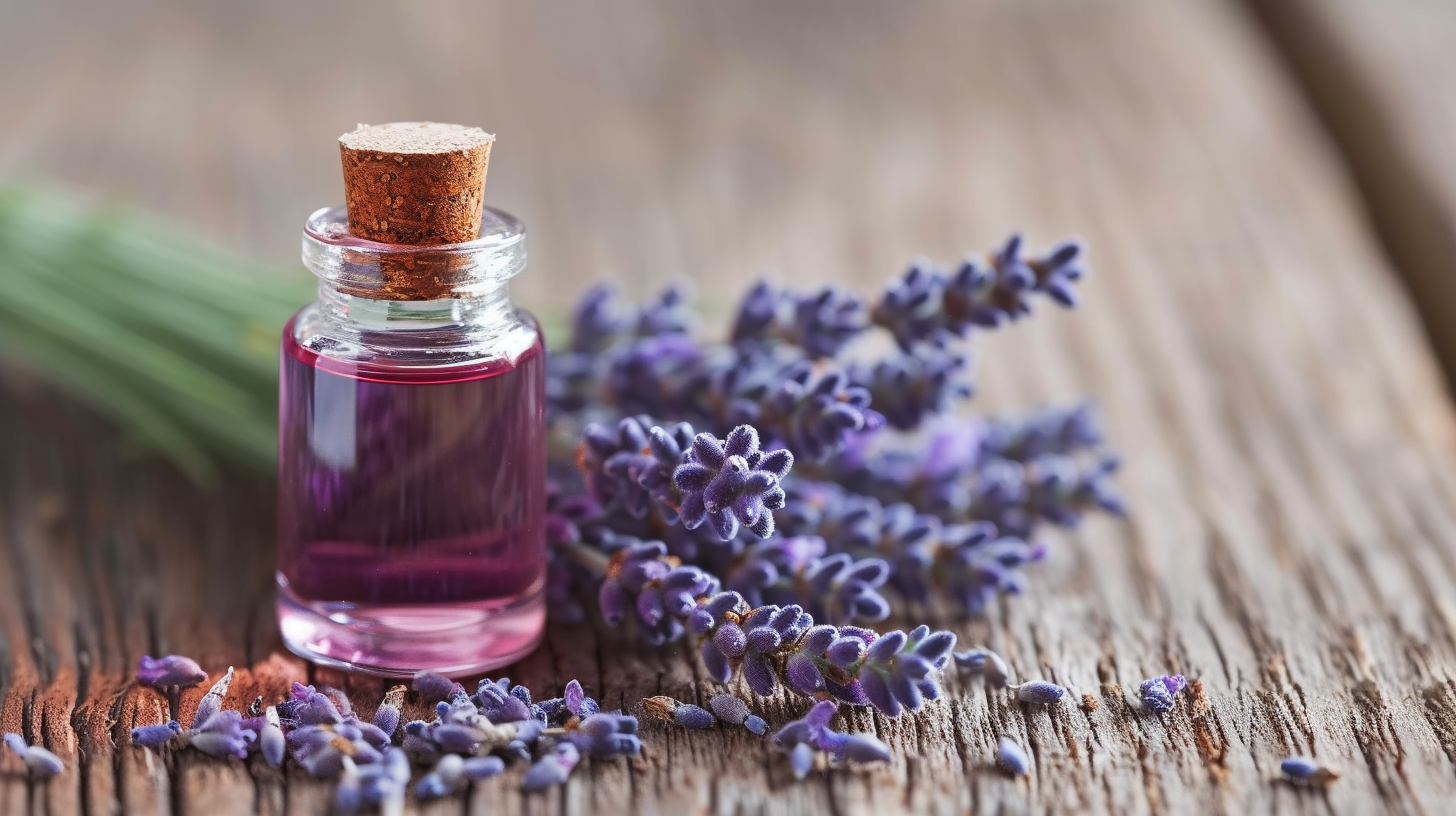
Lavender oil has been hailed as the elixir of life for eyelashes, promising to transform them from dull to dazzling overnight. As you explore its potential, you’ll uncover the science behind its benefits for lash health and growth.

However, it’s not all flowers and sunshine; understanding the correct application methods is key to avoid any unwanted side effects.

Weighing its advantages against potential risks ensures you make an informed decision.

Is Lavender Oil Good For Eyelashes?

The Benefits Of Lavender Oil?

Lavender oil, a plant-derived powerhouse, naturally soothes and nourishes the skin, making it a popular choice for eyelash care.

Originating from the Mediterranean, Middle East, and India, lavender has a rich history dating back thousands of years.

It’s not just its beauty that has captivated people worldwide, but also its myriad of uses, both aromatic and therapeutic.

You might be familiar with lavender’s calming scent, but there’s so much more to this plant than meets the eye.

The extraction of lavender oil is a meticulous process, ensuring that all the potent properties are retained.

This essential oil comes from the distillation of the flower spikes of certain species of lavender.

Due to its concentrated form, you’re getting the very essence of the plant’s benefits. Lavender’s origins play a significant role in its characteristics; the soil, climate, and altitude all contribute to the oil’s unique composition.

When it comes to aromatic uses, lavender oil is a standout. Its soothing fragrance is renowned for reducing stress and creating a tranquil environment.

It’s often used in aromatherapy to promote relaxation and improve sleep quality. But its application goes beyond just a pleasant scent.

In the context of eyelash care, while the main focus might be on its potential benefits for enhancing lash health, it’s worth noting that its aromatic properties can also make your eyelash care routine a more pleasant and relaxing experience.

Is Lavender Oil Good For Eyelashes?

Turning to the specific advantages for your eyelashes, lavender oil can significantly enhance their health and appearance.

Known for its soothing aroma, lavender oil also packs a punch when it comes to promoting eyelash health.

Whether you’re looking to add volume, length, or simply give your lashes a healthier base, incorporating this natural oil into your beauty regimen could be a game changer.

Here are three key benefits lavender oil offers for your eyelashes:

  • Growth Stimulation: Lavender oil is renowned for its ability to stimulate hair growth. This is important for your lashes, especially if you’re aiming for a fuller look. Its properties can awaken dormant hair follicles, encouraging the growth of new lashes and strengthening existing ones. With regular use, you might notice not just an increase in length but also in the density of your lashes.
  • Natural Conditioning: Unlike many chemical-based products that can dry out or damage your lashes over time, lavender oil serves as a gentle, natural conditioner. It helps in keeping your lashes moisturized and soft, reducing the likelihood of breakage. Healthy, well-conditioned lashes are more likely to grow longer and stay in place, rather than falling out prematurely.
  • Strengthening and Protection: Beyond growth and conditioning, lavender oil helps in fortifying the lashes against external aggressors. Antioxidants present in the oil can protect your lashes from environmental damage, keeping them strong and resilient.

How To Apply Lavender Oil To Your Eyelashes

How To Apply Lavender Oil To Your Eyelashes

Now that you’re aware of the benefits lavender oil offers for your eyelashes, let’s explore how you can effectively apply it to achieve these results.

Quantity control and product purity are key to ensure you’re not only safe but also getting the best out of your lavender oil application.

To start, you’ll need a clean mascara wand or a cotton swab for application. This ensures you’re applying the oil directly to your lashes without causing any irritation. Here’s a quick guide:

Step Tool Emotion
1 Clean mascara wand Excitement
2 Lavender oil dropper Anticipation
3 Mirror Confidence

First, ensure your eyelashes and eyelids are clean and free from any makeup or oils.

This is where product purity comes into play; using pure lavender oil without any additives maximizes its benefits and reduces the risk of irritation.

Dip your clean mascara wand or cotton swab lightly into the lavender oil. Be mindful of quantity control; a little goes a long way.

You don’t want to overapply as it could lead to unnecessary wastage or, worse, get into your eyes.

Gently run the wand or swab along the upper and lower lash lines, being careful not to get any oil in your eyes. It’s best to do this at night, allowing the oil to work its magic while you sleep.

Potential Risks

While exploring the benefits of lavender oil for eyelashes, consider the potential risks involved.

Lavender oil, like many natural remedies, isn’t without its drawbacks, and understanding these can help you make an informed decision about incorporating it into your beauty regimen.

Firstly, allergic reactions are a significant concern. Even if you’ve used lavender oil without issue in the past, applying it so close to your eyes increases the risk of sensitivity.

Symptoms can range from mild irritation to severe redness, swelling, and even contact dermatitis.

It’s always wise to conduct a patch test before applying anything new around such a sensitive area.

Lavender oil’s potential to cause hormonal imbalances shouldn’t be overlooked.

Some studies suggest that certain compounds in lavender oil can mimic estrogen and inhibit androgens, which might disrupt your body’s normal hormonal functions.

This effect could lead to unintended consequences, especially with regular, long-term use.

To encapsulate these concerns, consider the following points:

  • Allergic Reactions: Always patch test to minimize the risk of irritation, swelling, or dermatitis.
  • Hormonal Imbalances: Be aware of the potential for lavender oil to disrupt normal hormonal functions.
  • Eye Safety: Given its proximity to your eyes, there’s an inherent risk of causing irritation or harm to your eyesight.

Being aware of these risks can help you navigate the use of lavender oil for eyelashes safely.

It’s all about balancing the potential benefits with the understanding of what could go wrong, ensuring you take care of your health and well-being.

How To Apply Lavender Oil To Your Eyelashes

Alternative Eyelash Treatments

Given the potential risks associated with lavender oil, you might consider exploring safer, effective alternatives for eyelash treatments.

Instead of relying on essential oils that could irritate your eyes, you’ve got a myriad of options that can enhance your lashes without the potential dangers.

One popular choice is eyelash extensions. They’re a semi-permanent solution that can give you the volume and length you’re after without the daily hassle.

When professionally applied, they’re safe and can last for weeks, making them a convenient option.

Just ensure you go to a reputable technician to minimize any risk of infection or damage to your natural lashes.

If you’re not keen on extensions and still seek alternatives to traditional mascara, there are plenty of mascara alternatives designed with sensitive eyes in mind.

These products often contain gentler ingredients and are free from harsh chemicals that could cause irritation. They can provide the lengthening and volumizing effects you want while being kinder to your eyes.

Don’t forget about the power of a good eyelash serum. Unlike lavender oil, many serums on the market are specifically formulated to nourish and strengthen lashes with minimal risk of irritation.

Look for products with peptides and biotin, which have been shown to support lash health and growth.

Conclusion

In conclusion, incorporating lavender oil into your eyelash care routine can offer benefits like strength and growth, thanks to its natural properties.

However, it’s crucial to apply it properly and be aware of potential risks, such as irritation. If you’re seeking alternatives, various treatments are available.

Always prioritize safety and consider testing a small area first. Remember, achieving luscious lashes is possible, but understanding what works best for you is key.

Do Eyelashes Match Hair Color?

Like leaves to a tree, your eyelashes may seem to naturally complement your hair color, but is that always the case?

You’ve probably noticed that while some people’s eyelashes and hair color appear to be a perfect match, others display a striking contrast.

Genetics play a pivotal role in this fascinating interplay of colors, but they’re not the sole factor at play.

From common color combinations to intriguing exceptions and the influence of age and health, there’s a lot more beneath the surface.

Do Eyelashes Match Hair Color?

Do Eyelashes Match Hair Color?

To grasp the concept of matching hair and eyelash colors, it’s essential to first understand the biological factors that determine these hues.

The color of your hair and eyelashes primarily hinges on pigment production within the hair follicles.

This pigment, known as melanin, is synthesized by melanocytes, tiny cells nestled in the follicles.

There are two types of melanin: eumelanin, which gives black and brown shades, and pheomelanin, which provides red and yellow hues.

The blend and concentration of these melanins dictate the wide array of hair and eyelash colors you see among individuals.

Now, you might wonder how this pigment production translates to the color determinants of your hair and eyelashes. It’s quite fascinating.

The process begins in the hair follicle’s growth phase. During this phase, melanocytes spring into action, producing melanin that gets incorporated into the keratinocytes, the primary cells forming the hair and eyelashes.

This integration of melanin into the hair fiber is what ultimately sets your hair and eyelash color.

However, it’s not just about how much melanin is produced, but also the type. A higher concentration of eumelanin leads to darker hair and eyelash colors, while more pheomelanin results in lighter shades.

The Role of Genetics

You’ve seen how hair and eyelash colors can vary, but have you ever wondered why?

Genetics plays a role, influencing not just the color but also how hair differs from eyelash pigmentation.

This variability is even more pronounced across different ethnicities, shaping the unique look everyone has.

Genetic Influence on Color

Your hair and eyelashes’ color largely depends on the genetic cards you’re dealt. The primary drivers behind this are known as color determinants, lying within your pigmentation genes.

These genes dictate the amount and type of melanin you produce, which in turn colors your hair and eyelashes from a palette ranging from black to blonde, and even red.

Factor Influence on Color
Genes Directly determine the presence and amount of melanin, affecting the darkness or lightness of hair and lashes.
Melanin Types Eumelanin leads to darker shades, while pheomelanin results in lighter or reddish hues.
Genetic Variation Differences in genetic makeup cause the wide spectrum of hair and eyelash colors among individuals.

Hair Vs. Eyelash Pigmentation

While genetics play a role in determining the color of both your hair and eyelashes, variations in gene expression can lead to differences in pigmentation between the two.

Your body’s pigment production, influenced by your genes, determines the color you perceive.

However, the same genes that control hair color don’t always work identically on eyelashes.

This can result in your eyelashes being lighter, darker, or a different shade altogether compared to your hair.

It’s a fascinating interplay of genetics that affects how pigment is deposited in hair and eyelash follicles.

These subtle differences in gene expression and pigment production are why you might notice a mismatch between your hair and eyelash color, illustrating the complex nature of color perception in human features.

Hair Vs. Eyelash Pigmentation

Variability Across Ethnicities

Exploring the role of genetics, it’s clear that ethnicity significantly influences the variability in hair and eyelash coloration.

Different ethnic backgrounds mean a diverse range of genetic codes determining not only the color but also the thickness and length of eyelashes.

Here’s how these differences might affect you:

  • Your genetic makeup plays a pivotal role in determining the color of your hair and eyelashes.
  • Environmental factors can subtly influence these traits over time.
  • Cultural perceptions of beauty can impact how you perceive your own hair and eyelash color.
  • Technological advancements allow for the alteration of hair and eyelash colors, challenging traditional norms.

Understanding the complex interplay between genetics, environmental factors, and cultural perceptions can help you appreciate the beauty in diversity.

Common Color Combinations

Matching your eyelashes and hair color can enhance your overall look, with several common combinations standing out for their popularity and appeal.

When you think about color psychology and dyeing techniques, you’re diving into a world where your appearance can significantly impact how you feel and are perceived.

Hair Color Eyelash Color
Blonde Light Brown
Brunette Dark Brown
Black Black
Red Auburn

Blondes often opt for light brown eyelashes, a subtle contrast that highlights the eyes without overpowering the light hair color.

Brunettes might go a shade darker with their eyelashes, choosing dark brown to frame their eyes more distinctly.

Black hair naturally pairs well with black eyelashes, creating a striking look that emphasizes depth and intensity. Redheads find a harmonious match with auburn eyelashes, complementing the fiery tones of their hair.

Exceptions and Anomalies

Despite the common trends, you’ll find that not everyone’s hair and eyelash colors follow these expected combinations, leading to unique and striking looks.

While genetics play a significant role in determining the color of your hair and eyelashes, several exceptions and anomalies can lead to mismatches or unexpected shades.

Some of the exceptions and anomalies include:

  • Color treatments: Many people color their hair, but fewer opt for eyelash tinting. This can result in a natural brunette sporting platinum blonde hair with dark eyelashes, or vice versa. Color treatments offer a wide array of possibilities, leading to various mismatched combinations.
  • Environmental factors: Prolonged exposure to the sun can naturally lighten hair, but eyelashes often remain unaffected. This can create a contrast between lighter hair and darker eyelashes.
  • Genetic quirks: Occasionally, genetic variations can cause unexpected hair and eyelash color combinations. For example, someone might’ve naturally red hair with brown eyelashes, or dark hair with surprisingly light eyelashes.
  • Heterochromia: While primarily affecting eye color, heterochromia can also influence eyelash color, leading to differing shades between the lashes of each eye, or even within the lashes of a single eye.

These exceptions highlight the complexity of genetics and environmental influences on our appearance.

While most people might exhibit matching hair and eyelash colors, it’s these unique differences that add to the rich tapestry of human looks.

Impact of Age and Health

As you age or face certain health challenges, your hair and eyelash colors may undergo significant changes.

It’s not just about turning gray; the texture and pigment of your hair can be affected, making your eyelashes and hair appear less vibrant or even altering their color.

Seasonal changes also play a role in this transformation. You might notice your hair and eyelashes lightening in the summer due to increased sun exposure, which accelerates the natural lightening process.

Dietary effects on hair and eyelash color are often underestimated. A diet lacking in key nutrients can lead to dull hair colors and weakened eyelashes.

For instance, iron deficiency can result in less pigmented hair strands, while a lack of protein can make your hair and eyelashes weaker and more susceptible to color loss.

On the flip side, a balanced diet rich in vitamins and minerals can help maintain the natural color and strength of your hair and eyelashes, even mitigating some of the impacts of aging and health challenges.

Certain health conditions directly influence hair pigmentation. Thyroid disorders, for instance, can cause hair and eyelashes to thin and lose their color prematurely.

Similarly, hormonal changes, especially during pregnancy or menopause, can lead to noticeable changes in hair and eyelash color.

enhance your natural hair and eyelash colors

Enhancing Natural Colors

To enhance your natural hair and eyelash colors, you’ll want to focus on specific care routines and products designed for this purpose.

The beauty industry is constantly introducing innovative solutions to accentuate your natural hues, making it easier than ever to enhance what you’ve naturally got.

Whether you’re aiming to deepen your color, add vibrancy, or simply make your natural shades pop, paying attention to the latest color trends and dye options can give you a significant edge.

  • Use tinted serums and conditioners: These products are formulated not only to nourish your hair and lashes but also to subtly intensify their natural colors.
  • Opt for semi-permanent dyes: If you’re looking for a more noticeable change, semi-permanent dyes offer a way to experiment with color trends without committing long-term.
  • Incorporate color-enhancing shampoos: Specially designed shampoos can gradually enhance the natural pigment of your hair and eyelashes, making them appear fuller and more vibrant.
  • Consult with a professional: For personalized advice, a stylist or beautician can recommend products and treatments tailored to your specific color and hair type.

Conclusion

You’ve discovered that while your eyelashes often match your hair color due to genetics, it’s not a guaranteed match.

You’ve seen how age, health, and even randomness can play roles in the exceptions and anomalies.

Whether your lashes and hair are a perfect match or not, there are ways to enhance their natural beauty.

Remember, everyone’s unique, and these variations make you stand out. Embrace your natural colors, or have fun changing them up to suit your style!

Can You Use Eyelash Glue For Wigs?

Imagine you’re standing in front of the mirror, your wig in one hand and a tube of eyelash glue in the other, pondering the possibility of a quick fix.

You’ve heard whispers and rumors, but the question remains: can you really use eyelash glue for wigs?

While it might seem like a convenient solution, there are several factors to consider, including the composition of eyelash glue compared to traditional wig adhesives, potential risks to both your scalp and the wig, and whether the hold will be strong enough for your needs.

Before you make a decision that could affect the health of your hair and the lifespan of your wig, let’s explore the intricacies of using eyelash glue as an adhesive, including expert recommendations and alternative solutions that could save you from an unexpected mishap.

Can You Use Eyelash Glue For Wigs?

Can You Use Eyelash Glue For Wigs?

Eyelash glue, a staple in cosmetic kits, offers a strong and temporary bond ideal for not only lashes but potentially for securing wigs as well.

When you’re considering this adhesive for your wig, know its formulation and application duration to make an informed choice.

The glue formulation is designed to be gentle enough for the sensitive eye area while providing enough tackiness to keep false lashes in place throughout the day.

Typically, it’s composed of ingredients that allow for flexibility and comfort, reducing the risk of irritation. This formulation is what makes eyelash glue a contender for wig attachment. It’s strong enough to hold material to skin but formulated to minimize discomfort.

However, the application duration is where you’ll need to pay close attention. Eyelash glue is made for short-term wear, usually intended to last for a day or until you decide to remove your makeup.

This means if you’re considering it for your wig, you might find yourself reapplying the glue more frequently than you’d with traditional wig adhesives, which are designed for longer wear.

Comparing Adhesives

Consider the variability in adhesive strength and how some options might be more suitable for your skin’s sensitivity.

This comparison will help you make an informed choice for your wig application needs.

Adhesive Strength Variability

Often, the adhesive strength of eyelash glue compared to other wig adhesives varies significantly, affecting your choice for long-lasting wear.

  1. Temperature Effects: Eyelash glue mightn’t hold up well in high temperatures, whereas some wig adhesives are designed to withstand more heat.
  2. Humidity Impact: High humidity can weaken the bond of eyelash glue more quickly than specialized wig adhesives.
  3. Application Duration: Wig adhesives often offer longer wear times, tailored for days rather than the hours eyelash glue is designed for.
  4. Reapplication Ease: Eyelash glue allows for easier, more frequent reapplications, which mightn’t be practical with stronger wig adhesives.

Skin Sensitivity Concerns

While considering the various factors that impact the effectiveness of adhesives, weigh up the implications for skin sensitivity when choosing between eyelash glue and wig adhesives.

Your skin’s reaction can vastly differ depending on the product you use.

Allergy testing becomes a safeguard you shouldn’t skip. It’s a simple step: apply a tiny amount of the adhesive on your skin and wait for 24 hours to see if there’s a reaction.

If you’re prone to sensitivity, looking into natural alternatives might be your best bet. These options are gentler on the skin, reducing the risk of irritation.

Potential Risks

Using eyelash glue for wigs can expose your skin to harmful chemicals, leading to potential allergic reactions or irritation.

While you might be tempted to use what’s readily available, know the risks involved.

Eyelash glue is formulated for a delicate area of your face, not necessarily for the larger skin surface under a wig. This difference can lead to unexpected complications.

Here are some potential risks to consider:

  1. Allergic Reactions: Eyelash glues often contain latex or cyanoacrylate, which are common allergens. If you’ve never used the product on a larger skin area, you mightn’t be aware of an existing sensitivity. An allergic reaction can range from mild irritation to severe redness, swelling, and even blistering.
  2. Product Expiration: Using an expired eyelash glue can increase the risk of skin irritation and allergic reactions. Over time, the chemicals in these products can break down and become more reactive with your skin.
  3. Long-term Skin Damage: Repeated exposure to the harsh chemicals found in some eyelash glues can lead to long-term skin damage. This includes thinning of the skin, increased sensitivity, and a weakened skin barrier, making your skin more susceptible to other irritants.
  4. Difficulty in Removal: Eyelash glue is designed to be waterproof and durable, making it difficult to remove without the right products. This can lead to excessive pulling or rubbing of the skin, causing further irritation or damage.

use eyelash glue for your wig

Application Techniques

Despite the risks, if you decide to use eyelash glue for your wig, master the right application techniques to minimize potential harm.

Here’s how to do it while keeping your scalp and hair safe.

First, ensure your scalp is clean and oil-free; this will help the glue adhere better. Apply a tiny amount of eyelash glue to the wig’s base.

Wait a few seconds for it to become tacky before pressing the wig onto your scalp. Start from the front and work your way back, ensuring a secure fit without using too much force.

Removal is just as important as application. Gently apply a glue remover or oil-based solution along the wig’s edge, allowing it to seep under the wig.

After a few minutes, slowly lift the wig, starting from the edge.

Step Description
Preparation Clean and dry scalp. Test glue on a small skin area.
Application Apply glue lightly, wait for tackiness, then press wig onto scalp.
Adjustment Gently adjust wig position before glue sets completely.
Removal Use a remover or oil-based solution, apply along edges, wait, then gently lift wig.

Following these steps can help you use eyelash glue for your wig with minimized risks. However, remember to pay attention to your skin’s reaction and opt for specific wig adhesives whenever possible.

Alternative Solutions

For those seeking safer options, consider exploring alternative adhesive solutions designed specifically for securing wigs.

While eyelash glue might seem like a handy fix, it’s not always the best choice for your scalp or wig longevity.

Instead, here are four glue alternatives and DIY methods that can offer you a reliable and skin-friendly way to keep your wig in place:

  1. Wig Adhesive Tapes: These are double-sided tapes designed specifically for wig attachment. They’re easy to use, provide a strong hold, and are gentle on the skin. Plus, they leave no residue upon removal.
  2. Silicone Wig Grips: A fantastic non-adhesive option, silicone wig grips wrap around your head like a headband. They secure your wig through friction, without any glue needed. This method is especially great for those with sensitive skin.
  3. Water-based Wig Glues: For a stronger hold than tapes, consider water-based glues made for wig use. These are less harsh than chemical-based adhesives and are easier to wash out, reducing the risk of damaging your wig or irritating your scalp.
  4. DIY Gelatin Wig Adhesive: If you’re into DIY methods, making your own wig glue from gelatin is a safe and effective option. Gelatin is gentle on the skin and provides a decent hold. Plus, it’s easy to make and wash out, making it a budget-friendly and skin-friendly alternative.

how to use eyelash glue for wigs

Expert Recommendations

Experts strongly recommend opting for products specifically designed for wig attachment to ensure safety and effectiveness.

They’re not just being cautious; they’re drawing from a wealth of experience. When it comes to securing your wig, the stakes are high.

You’re not just aiming for a good look; you’re also prioritizing your skin’s health and the integrity of the wig itself. And here’s where professional insights really come into play.

According to these professionals, the formulation of eyelash glue is vastly different from that of wig adhesives.

Eyelash glue is designed for short-term use and delicate skin around the eyes, not for the weight and pull of a wig.

They emphasize that using the wrong type of adhesive can lead to a plethora of issues, from allergic reactions to damaging the wig or your own hair.

Glue longevity is a key factor that professionals highlight. Wig adhesives are crafted to last through sweat, weather changes, and the rigors of daily life.

Eyelash glue, on the other hand, simply isn’t built to withstand those conditions over an extended period.

You might find yourself in an embarrassing situation if your wig starts slipping at an inopportune moment.

Conclusion

In conclusion, while you might be tempted to use eyelash glue for your wig, it’s not the best idea. Eyelash glue is designed for the delicate skin around your eyes, not for securing wigs. You risk damaging both your wig and your skin due to the different adhesive properties.

Instead, opt for adhesives made specifically for wigs. They’ll keep your wig securely in place without the potential for harm. Experts agree, stick to the products designed for the task at hand.