Does Bio Oil Help Eyelashes Grow?

You’ve seen it smooth scars and even skin tone, but does Bio Oil also help eyelashes grow?

This multi-use product has garnered attention for its versatile skin benefits, yet its efficacy on enhancing eyelash length remains a topic of curiosity.

By analyzing its key ingredients and dissecting user experiences, we embark on a quest to uncover if there’s scientific evidence supporting the claims surrounding Bio Oil and lash growth.

As we explore the factors influencing eyelash health, you might find yourself questioning whether you’ve overlooked a potential gem in your beauty routine.

factors influencing eyelash health

Does Bio Oil Help Eyelashes Grow?

Traditionally, Bio Oil has been celebrated for its prowess in improving the appearance of scars, stretch marks, and uneven skin tone.

It’s a topical skincare oil that aims to hydrate and nourish, making it a staple in many skincare routines.

You might be curious about how this relates to your eyelashes. Well, the skin around your eyes is delicate, and any product application in this area requires an understanding of both the product and the proper application methods.

When considering Bio Oil for eyelashes, it’s essential to know how to apply it safely to avoid irritation.

The application method for eyelashes would be much more precise than when applying to larger skin areas.

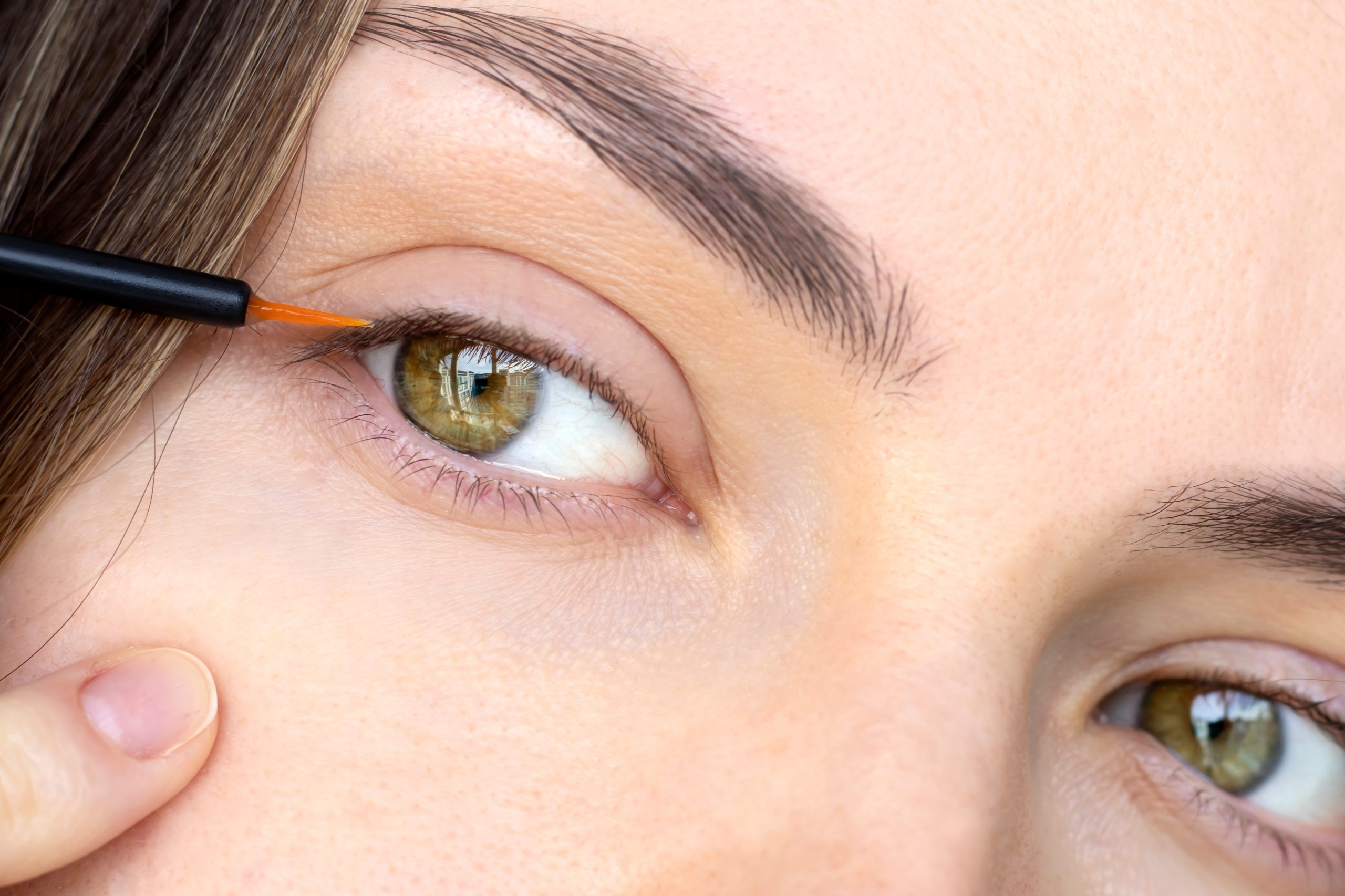
You’d need to use a clean eyeliner brush or a cotton swab, applying a small amount of oil to the lash line.

This method minimizes the risk of getting the oil into your eyes, which could cause discomfort or sensitivity.

Speaking of sensitivity, everyone’s skin reacts differently to products. If you have sensitive skin or are prone to eye irritation, it’s wise to proceed with caution.

Conducting a patch test on a less sensitive skin area before trying it near your eyes can help you gauge your skin’s reaction to Bio Oil.

Key Ingredients Analysis

Now that we’ve explored how to apply Bio Oil safely around the eyes, let’s examine the key ingredients that might contribute to eyelash growth.

Ingredient purity is key when it comes to products used in sensitive areas, like your eyes.

Bio Oil is known for its blend of plant extracts and vitamins suspended in an oil base, each chosen for their beneficial properties.

One of the standout ingredients is Vitamin E, an antioxidant that can support skin health around the eyelashes, potentially aiding in healthier lash growth.

The purity of this vitamin in the oil ensures its effective and safe for the delicate eye area.

Another key component is lavender oil, known for its soothing properties, which can help in maintaining a healthy environment for eyelash growth.

Application methods also play a significant role in how these ingredients affect your eyelash health.

Instead of applying directly to your lashes, dabbing a small amount of Bio Oil onto the eyelid skin at the lash line can help in minimizing irritation while still delivering the benefits of its ingredients to the lashes.
Does Bio Oil Help Eyelashes Grow?

Eyelash Growth Factors

Your eyelashes, like the hair on your head, follow a specific growth cycle, and various factors can either support or impede their growth.

One primary factor is your overall health and diet. Nutrients such as proteins and vitamins support hair growth, so a balanced diet can positively affect your lashes.

On the flip side, stress and hormonal imbalances can slow down their growth or even cause them to fall out.

Another essential aspect is lash hygiene. Regular and gentle cleaning, avoiding harsh makeup, and not rubbing your eyes are all practices that can help maintain healthy lashes.

Using natural remedies, such as oils known for promoting hair growth, can also be beneficial, but it’s essential to use them correctly to avoid irritation.

Lastly, the environment plays a role. Exposure to pollutants and harsh weather conditions can damage your lashes.

Protecting your eyes and using products that create a barrier against these elements can help.

Factor How It Affects Eyelash Growth
Nutrition Adequate vitamins and proteins support growth
Lash Hygiene Proper cleaning and care promote health
Environment Protection from damage is key

User Experiences Reviewed

You’ve heard about its miracles on scars and stretch marks, but eyelashes? That’s a whole different ball game.

Users have shared their stories online, in forums, and beauty blogs, and it’s time you got the scoop.

First off, application techniques seem to vary. Some dab a tiny amount on their lash line with a cotton swab, being extremely careful not to get it in their eyes.

Others apply it to their fingertips first, then gently massage it onto their lashes. The consensus? Less is more. You don’t want to drown your lashes in oil; a light touch is key.

However, it’s not all smooth sailing. Allergy concerns pop up in user testimonials. A handful of people have reported irritation, ranging from mild to severe.

It’s a reminder that what works for one person’s lashes mightn’t work for yours. Patch tests aren’t just a suggestion—they’re a must.

Before you go all in, dab a little oil on your inner wrist and wait 48 hours. No reaction? You’re probably good to go.

But here’s the burning question: Do lashes actually get longer? Reviews are mixed. Some swear by Bio Oil, claiming their lashes have never looked better.

Others see no difference, even after weeks of consistent use. It seems that, like with most beauty products, your mileage may vary.

Bio Oil's impact on eyelashes

Scientific Evidence Explored

The scientific community hasn’t dedicated a vast amount of research specifically to Bio Oil’s impact on eyelashes, but there’s enough to glean some insights.

First, let’s talk about oil toxicity. You might wonder why this matters. Well, your eyes are incredibly sensitive, and not all substances are safe for use around them.

Some components in oils, including those found in Bio Oil, could potentially irritate or harm your eye or the delicate skin around it.

However, specific studies focusing on Bio Oil’s formulation find it to be generally safe for topical use on skin. But remember, the eye area is a different story, and caution is advised.

The application method also plays a role. Applying Bio Oil directly to your eyelashes isn’t the same as using it on your skin.

There’s a risk of the oil getting into your eyes, which could lead to irritation or worse, depending on your sensitivity.

There isn’t solid scientific evidence directly linking Bio Oil application with enhanced eyelash growth. Most claims come from anecdotal evidence or are extrapolated from its effects on skin hydration and appearance.

Conclusion

You’ve explored Bio Oil, dissected its key ingredients, and understood what makes eyelashes grow.

You’ve sifted through user experiences and dived into the science.

The verdict? While Bio Oil is celebrated for its skin-healing properties, there’s limited scientific evidence directly linking it to eyelash growth.

Your lashes might enjoy the hydration and potentially look fuller, but don’t expect miracles.

For lash growth, you’re better off considering products specifically designed with that goal in mind.

Can You Use Rapidbrow On Eyelashes?

Luscious lashes lure many into the latest beauty trends, but you’ve likely wondered if you can safely swap Rapidbrow, a product designed for eyebrows, onto your delicate eyelashes.

While the pursuit of perfect lashes prompts this question, it’s crucial to understand the differences in formulation and intended use between products for eyebrows and eyelashes. Safety considerations and expert opinions on this matter are not to be taken lightly.

Can You Use Rapidbrow On Eyelashes?

What Is Rapidbrow?

Looking into the ingredients of Rapidbrow reveals a blend of biotin, peptides, and keratin, which are essential for fortifying your lashes.

These key components play a pivotal role in supporting lash health, offering a clear insight into the product’s potential benefits.

Biotin, often heralded as a hair growth booster, provides the necessary nutrients to improve lash strength.

Peptides are amino acids that stimulate the hair follicles, encouraging them to produce more hair and, consequently, denser lashes. Keratin, a protein naturally found in hair, aids in repairing and protecting lash fibers from damage.

When you’re assessing ingredient efficacy, consider how these components interact within the formula.

Rapidbrow’s blend aims to not only nourish but also reinforce lash resilience, promoting an environment conducive to growth.

This is a testament to the thoughtful formulation that targets common lash concerns, from thinning to breakage.

Formulation comparisons further illuminate Rapidbrow’s standing in the market.

Many lash serums promise quick results but rely on harsh chemicals that can irritate or damage the delicate eye area.

Rapidbrow, however, maintains a balance between efficacy and gentleness, employing naturally derived ingredients to minimize potential side effects.

This approach underscores the importance of not just achieving results but doing so in a way that preserves lash health in the long term.

Can You Use Rapidbrow On Eyelashes?

While the ingredients in Rapidbrow offer promising benefits for lash fortification, you need to understand the distinct needs of eyebrow and eyelash care.

You’re dealing with two very different types of hair, each sensitive to various treatments and products.

Brow trends have evolved, emphasizing the importance of full, well-defined eyebrows. This has led to a surge in products aimed at promoting brow health and growth. However, what works for your brows mightn’t be ideal for your lashes.

Eyebrow care often involves products like Rapidbrow that stimulate growth and volume.

You’re encouraged to apply these serums directly onto the brows, focusing on areas that might be sparse or thinning. The goal here is to encourage fuller, more natural-looking brows that align with current beauty trends.

On the flip side, lash conditioning takes a more delicate approach. Eyelashes are finer and more fragile than eyebrow hairs.

They require products that promote growth and prevent breakage and fallout. Applying a product not specifically designed for lashes can lead to irritation or even damage.

That’s why it’s important to choose a lash conditioner that’s gentle yet effective, ensuring your lashes stay healthy and robust.

Can You Use Rapidbrow On Eyelashes?

Safety Considerations

Before applying Rapidbrow to your eyelashes, consider the safety implications to prevent any potential harm or irritation.

Given that the product is originally designed for eyebrows, not eyelashes, you’re venturing into uncharted territory when you apply it elsewhere.

Your eyes are extremely sensitive, and the skin around them is delicate, which means you need to be extra cautious to avoid any adverse effects.

Here’s a quick rundown of safety considerations you should keep in mind:

  1. Allergic Reactions: Before slathering the product across your lash line, do a patch test. Apply a small amount on your wrist and wait for 24 hours to see if any irritation or allergic reaction occurs. This simple step can save you from discomfort and serious harm.
  2. Application Method: Be meticulous about how you apply Rapidbrow on your eyelashes. Avoid direct contact with your eyes to prevent irritation. Using a clean, precise applicator can help in applying the product safely.
  3. Consult with a Professional: If you’re unsure about using Rapidbrow on your eyelashes, it’s always wise to consult with a dermatologist or an eye care professional. They can provide guidance tailored to your specific health needs.
  4. Observe for Side Effects: Pay close attention to how your eyes react in the days following application. If you notice any redness, swelling, or discomfort, discontinue use immediately and seek medical advice.

Expert Opinions

Regarding expert opinions, it’s essential to note that many professionals caution against using products like Rapidbrow on areas they’re not specifically formulated for, such as your eyelashes.

Experts in dermatology and cosmetology stress the importance of respecting the intended use of cosmetic products to avoid potential side effects or unwanted reactions.

The application methods for eyebrow serums, like Rapidbrow, often differ from those suitable for eyelashes, leading to concerns about precision and safety during application.

When discussing the effectiveness timeframe of using Rapidbrow on eyelashes, experts suggest skepticism.

The formulation of Rapidbrow is tailored to the unique growth cycle and thickness of eyebrow hairs, which may not directly correlate with the growth characteristics of eyelashes.

Therefore, while Rapidbrow might show results on eyebrows within a specified period, usually a few weeks to months, its impact on eyelashes remains uncertain and largely undocumented by scientific studies.

Moreover, professionals emphasize the significance of following product instructions and warnings.

They advise against experimenting with off-label uses, as this can lead to unforeseen complications.

Instead, they recommend seeking products specifically designed for eyelash enhancement, which have been tested and proven effective for that particular purpose.

This approach ensures not only the safety of your eyes but also the likelihood of achieving the desired aesthetic results.

Alternative Lash Enhancers

Given the concerns about using Rapidbrow on eyelashes, it’s worth exploring safe and effective alternatives specifically designed for lash enhancement.

You’re not alone in your quest for fuller, longer lashes. Thankfully, there’s a variety of products and natural alternatives that cater to lash growth without the potential risks associated with misusing eyebrow enhancers.

When you’re scouting for lash enhancers, keep in mind that the goal is achieving desired aesthetics and ensuring the health and safety of your eyes.

Here are four stellar options to consider:

  1. Eyelash Serums: Look for serums enriched with peptides and biotin. These ingredients are known for their ability to support lash growth and strength.
  2. Castor Oil: A popular natural alternative, castor oil is praised for its lash-enhancing properties. Apply it carefully with a clean mascara wand at night.
  3. vitamin E: Known for its antioxidant properties, vitamin E oil can be gently applied to the lash line to promote healthier, stronger lashes.
  4. Over-the-counter Lash Enhancers: Choose products specifically designed for eyelashes, and that have a proven track record. Always read reviews and check for clinical studies that support their claims.

Rapidbrow is designed for your eyebrows

Conclusion

In summary, while Rapidbrow is designed for your eyebrows, you might be curious about using it on your eyelashes.

The ingredients focus on eyebrow care, which differs from eyelash needs. Safety is a top priority, so consult experts before trying.

They might suggest alternative lash enhancers specifically formulated for eyelashes.

Remember, while it’s tempting to use one product for multiple purposes, choosing the right product for the right area ensures the best and safest results.

Where Do Human Hair Eyelashes Come From?

Just as you’re pondering the origins of the everyday items you use, you might find yourself curious about where human hair eyelashes actually come from.

You’re not alone in your curiosity; the journey from hair to lash is not only fascinating but wrapped in layers of ethical considerations and intricate craftsmanship.

Collecting and sourcing methods vary widely, raising questions about sustainability and ethics that you might want to explore further.

While the process of transforming human hair into the perfect set of lashes is an art in itself, the global suppliers and markets behind this beauty staple suggest a complex story waiting to be uncovered.

Where Do Human Hair Eyelashes Come From?

Where Do Human Hair Eyelashes Come From?

Nearly all human hair used in eyelash production originates from people who’ve chosen to sell their locks for economic reasons.

You mightn’t often think about it, but the hair on your head and the eventual eyelashes framing someone’s eyes come from a complex world of hair genetics and growth cycles.

Hair genetics play a pivotal role in determining the texture, color, and growth rate of hair. It’s fascinating, really.

The hair you might decide to sell one day can vary widely in characteristics, all because of your unique genetic makeup.

Now, onto growth cycles. Your hair goes through three main stages: growth (anagen), cessation (catagen), and rest (telogen).

Only during the anagen phase, which can last anywhere from two to six years, does your hair actively grow.

This cycle is essential for the production of long, healthy hair that’s ideal for creating eyelashes. The longer the hair stays in the anagen phase, the more suitable it’s for eyelash crafting, due to its length and health.

How Do They Collect Human Eyelashes?

You might wonder how human hair, destined to become eyelashes, is collected and sourced from individuals around the world.

It’s a process that intertwines traditional methods with modern collection technologies, ensuring the hair remains in the best condition possible.

Hair treatments play a significant role in preparing the hair for its transformation into fine eyelashes, enhancing both its durability and aesthetic appeal.

Collection methods vary, often based on geographical location and the availability of hair.

Some regions have a tradition of donating hair as part of cultural or religious practices, which then becomes a source for these eyelashes.

In contrast, in other areas, individuals might sell their hair directly to collectors as a means of income. Advanced collection technologies have made it easier and more efficient to gather, sort, and prepare human hair for its next stage of life.

The emotional journey from hair donation to eyelash creation can be profound. Consider the following table, which captures the essence of this path:

Step Description Emotional Impact
Collection Hair is gently cut and collected. A sense of donation or sacrifice.
Treatment Hair undergoes treatments to ensure quality. Anticipation of transformation.
Sorting Hair is meticulously sorted by length and quality. Appreciation for the meticulous process.
Crafting Hair is crafted into eyelashes. Joy in creation and contribution.
Final Product Eyelashes are ready for use. Satisfaction in the beauty added to lives.

Ethical Considerations

You need to consider the ethical implications behind the production of human hair eyelashes.

Sourcing practices, worker welfare, and environmental impact are points that can’t be overlooked.

It’s essential to understand how each of these factors plays a role in the products you choose.

Sourcing Practices

In exploring the origins of human hair eyelashes, examine the ethical considerations surrounding their sourcing practices.

The journey from raw materials to the final product is heavily influenced by market demand, leading to important questions about how these materials are obtained.

  1. Transparency: Knowing where and how the hair is sourced.
  2. Consent: Ensuring the hair is donated or sold willingly.
  3. Sustainability: Assessing the impact of sourcing practices on the environment.
  4. Fair Trade: Guaranteeing fair compensation for those providing the raw materials.

Worker Welfare

Beyond sourcing practices, consider the well-being of workers involved in producing human hair eyelashes.

These places, often tucked away, are where the real magic happens, but at what cost? It’s not just about getting the best quality hair; it’s about ensuring that the people behind the product are treated fairly.

Are they working in safe conditions? Do they receive fair wages and benefits? These questions matter.

You’re part of a larger ecosystem when you buy these products, and understanding the ethics behind worker welfare is essential.

It’s about making informed choices that respect both the craft and the craftspeople.

considering the welfare of workers is key

Environmental Impact

While considering the welfare of workers is key, it’s equally important to reflect on the environmental impact of producing human hair eyelashes.

You mightn’t think about it, but this industry affects our planet in several ways.

  1. Recycling possibilities decrease as synthetic materials mix with human hair, complicating the recycling process.
  2. The chemical treatments required to sanitize and prepare the hair can lead to water and soil contamination.
  3. Manufacturing emissions contribute to air pollution, exacerbating climate change.
  4. Wildlife disruption occurs when natural habitats are altered to collect or produce these materials.

Being mindful of these impacts helps you make more informed decisions about the products you choose, potentially steering towards more sustainable options.

The Crafting Process

The process begins with meticulous material preparation, where human hair is carefully selected based on its length, thickness, and strength.

This initial step ensures that only the best strands are used, guaranteeing the final product’s superior quality.

Once selected, the hair undergoes a series of dyeing techniques to achieve a variety of shades.

This isn’t your typical dye job; it requires precision and skill to ensure the colors are uniform and match a wide range of natural eyelash tones.

The dye used is specially formulated to be gentle on the hair, preserving its natural softness and flexibility, which are essential for a comfortable wear.

After dyeing, the hairs are washed and conditioned, making them ready for the next phase.

They’re then intricately hand-tied or machine-sewn onto a thin strip that serves as the lash band. This strip must be flexible yet durable, ensuring it can be shaped to fit the eyelid perfectly while also holding the hairs firmly in place.

The crafting of human hair eyelashes is an art form, requiring skilled artisans who pay close attention to detail.

Each lash is carefully inspected for quality and uniformity, ensuring that each pair you wear is nothing short of perfection.

This attention to detail and dedication to quality is what sets human hair eyelashes apart from synthetic alternatives, providing you with a natural look that’s both beautiful and long-lasting.

Global Suppliers and Markets

The production and distribution of human hair eyelashes span across various countries, with Asia being a major player in the market.

This region, particularly countries like China, South Korea, and Indonesia, has a stronghold due to their advanced manufacturing capabilities and access to raw materials.

But it’s not just about where they’re made; it’s about where they’re going.

The demand stretches globally, influenced heavily by market trends and consumer preferences that dictate the flow of these beauty products.

Here’s a breakdown of what’s shaping the global suppliers and markets for human hair eyelashes:

  1. Market Trends: The beauty industry is fast-evolving, with trends shifting towards more natural and sustainable products. Human hair eyelashes fit this niche perfectly, appealing to consumers looking for eco-friendly and authentic options. This trend is seeing an uptick in demand in markets outside Asia, especially in Western countries.
  2. Consumer Preferences: As people become more conscious of the products they use, there’s a noticeable preference for quality and ethical sourcing. Suppliers that can prove their ethical stance and product superiority tend to dominate the market.
  3. Innovation and Technology: Advancements in manufacturing and design technology allow for a wider variety of eyelash styles, catering to diverse consumer tastes and preferences. This innovation keeps the market dynamic and competitive.
  4. Global Distribution Channels: The rise of e-commerce platforms has made it easier for suppliers to reach an international audience, expanding their markets beyond traditional borders.

Maintenance and Care Tips

You’ll find that proper cleaning methods and safe storage solutions are key to extending their lifespan.

Let’s explore how you can achieve this to ensure your eyelashes remain as stunning as the day you got them.

Proper Cleaning Methods

Proper maintenance extends their lifespan and minimizes allergy risks associated with the buildup of chemical ingredients found in makeup and adhesive products.

Here’s how to do it:

  1. Gently remove glue: Use tweezers to carefully peel off any residual glue from the lash band.
  2. Clean with oil-free makeup remover: Dip a cotton swab in an oil-free remover to clean the lashes, avoiding harsh chemicals.
  3. Rinse with water: Lightly rinse the eyelashes under lukewarm water to remove any leftover makeup remover.
  4. Air dry: Lay the lashes on a clean towel and let them air dry completely before storing them away.

cleaned your human hair eyelashes

Safe Storage Solutions

Once you’ve cleaned your human hair eyelashes, finding a proper storage solution is essential for maintaining their shape and quality.

You’ll need to consider humidity control and light exposure to ensure they last as long as possible. Here’s a concise table with some tips:

Storage Aspect Why It Matters What To Do
Humidity Control Prevents mold growth Store in a dry place
Light Exposure Avoids discoloration Keep away from direct sunlight
Airflow Keeps them dry Don’t store in airtight containers
Shape Preservation Maintains usability Use the original case or a lash holder
Cleanliness Prevents eye infections Store in a clean, dust-free environment

Conclusion

In summary, your curiosity about human hair eyelashes has taken you on a journey from their origin, through ethical collection and crafting processes, to global markets.

You’ve learned how they’re sourced, the importance of ethical considerations, and how they’re transformed into the beauty products you adore.

Remember, keeping them in top condition requires proper care. So, cherish the craftsmanship and thought that goes into each pair, ensuring you’re not just enhancing your beauty but supporting responsible practices in the beauty industry.

Are Eye Masks Bad For Eyelashes?

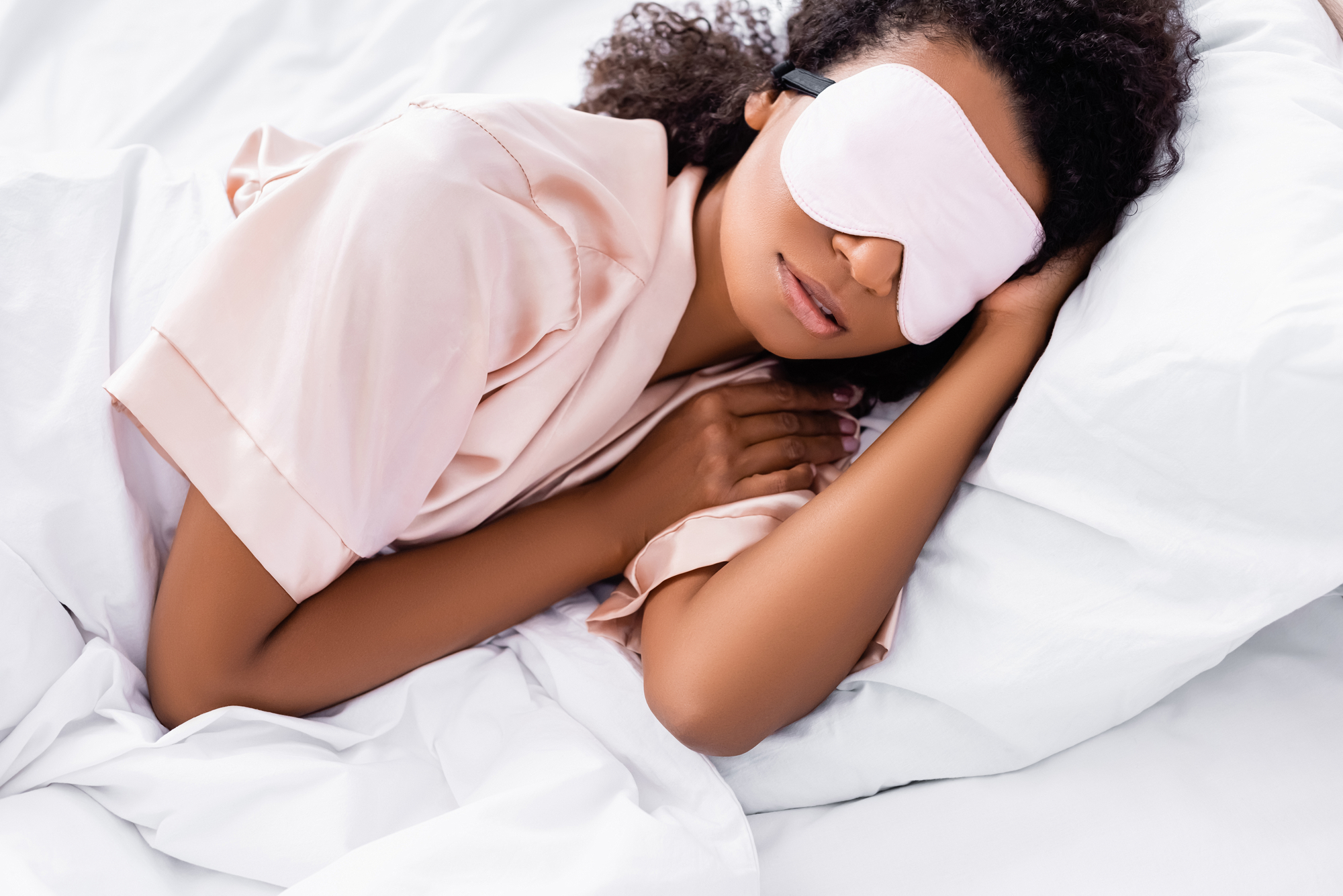
You wear them for better sleep; you rely on them for relaxation during travel, but have you ever considered what your eye masks might be doing to your eyelashes?

As you seek comfort and darkness, the very accessory designed to aid your slumber could be compromising the health of your lashes.

The question of whether eye masks are detrimental to the delicate hairs framing your eyes hinges on various factors, including material choice and hygiene practices.

Before you nestle into your next nap, let’s explore what experts say and uncover alternatives that ensure both your rest and your lashes remain undisturbed.

Are Eye Masks Bad For Eyelashes?

What Are Eye Masks For?

Eye masks, often worn to block out light for a better sleep, vary widely in material, design, and comfort levels.

You’ve probably noticed how they’ve become a staple in many people’s night routines, serving not just as a tool for improving sleep quality but also as a symbol of self-care.

When you’re considering incorporating an eye mask into your nightly regimen, you’re tapping into a variety of sleep benefits that can significantly enhance your overall well-being.

Using an eye mask can help you fall asleep faster by creating an ideal, dark environment that cues your body it’s time to rest.

This is particularly beneficial if you’re sensitive to light or live in an area where it’s hard to escape the glow of streetlamps or electronic devices.

The consistent use of an eye mask can improve the quality of your sleep, ensuring you wake up feeling more refreshed and ready to tackle the day.

Introducing an eye mask into your night routines can also signal to your body that it’s time to wind down, making it easier to establish a healthy, consistent sleep schedule.

By doing so, you’re not just benefiting from the immediate effects of better sleep, like improved mood and increased energy levels, but you’re also investing in your long-term health by reducing stress and bolstering your immune system.

Are Eye Masks Bad For Eyelashes?

While eye masks offer numerous sleep benefits, it’s important to consider how they might affect your eyelashes.

Wearing an eye mask might seem like a harmless practice to improve your sleep quality, but it’s worth noting that it could potentially put your eyelashes at risk.

  • Eyelash strain: Tight eye masks can exert unnecessary pressure on your eyelashes, leading to strain. This strain isn’t just uncomfortable; over time, it can weaken your eyelashes, making them more prone to damage and fall out.
  • Growth disruption: The constant pressure and rubbing against the eyelashes can disrupt their natural growth cycle. This disruption can result in uneven or stunted lash growth, leaving you with less-than-ideal eyelash volume and length.
  • Increased breakage: The friction between your eyelashes and the mask can lead to increased breakage. Eyelashes are delicate, and constant rubbing weakens their structure, causing them to break more easily.
  • Tangling and clumping: Wearing an eye mask for extended periods, especially if you move a lot in your sleep, can cause your eyelashes to tangle or clump together. This not only affects their appearance but can also lead to discomfort and further damage when trying to detangle them.
  • Hygiene issues: Eye masks can accumulate oils, makeup, and skin cells, which could contribute to lash discomfort and potential eye infections. While this doesn’t directly affect eyelash health, it’s a risk factor for conditions that could indirectly harm your lashes.

Awareness of these potential risks can help you make informed decisions about using eye masks, ensuring you don’t compromise your eyelash health for a better night’s sleep.

Choosing the right material for your eye mask

The Role of Material Choice

Choosing the right material for your eye mask can significantly impact your eyelashes’ health and comfort.

The fabric texture plays a role; a too rough material can snag or pull at your lashes, leading to damage or loss.

A soft, smooth fabric like silk or satin is gentle on your eyelashes, minimizing the risk of harm. These materials allow your lashes to glide over the surface when you move during sleep, rather than catching or tugging.

The significance of color in your eye mask choice isn’t just about aesthetics.

Dark colors, especially black, can mask stains but may also contain dyes that, over time, could irritate sensitive skin around your eyes or affect your eyelashes.

Opting for natural, lighter colors or undyed fabrics is a wise choice to ensure that no harsh chemicals come into contact with the delicate eye area.

It’s not just about the immediate comfort either. The material you choose can affect the long-term condition of your eyelashes.

Synthetic materials mightn’t breathe as well as natural ones, leading to a build-up of moisture that could weaken your lashes over time.

In contrast, breathable fabrics like cotton, silk, or bamboo ensure a healthier environment for your eyes and eyelashes, reducing the risk of irritation or other issues that could compromise lash health.

Proper Eye Mask Hygiene

Maintaining cleanliness with your eye mask is key to prevent bacterial buildup that could harm your eyelashes.

You mightn’t think about it often, but your eye mask can become a breeding ground for bacteria and fungi if it’s not properly cared for.

This not only affects the skin around your eyes but can also be detrimental to your eyelashes, potentially leading to infections or lash loss.

To keep your eye mask and eyelashes in the best shape, follow these guidelines:

  • Wash Regularly: Depending on how often you use your eye mask, aim to wash it at least once a week. If you have sensitive skin or are prone to eye infections, consider increasing the cleaning frequency.
  • Use Gentle Detergents: When washing your eye mask, opt for mild, fragrance-free detergents to avoid irritating your skin and eyes.
  • Dry Completely: Ensure your eye mask is thoroughly dry before using it again. Dampness can encourage the growth of harmful microbes.
  • Storage Solutions: Store your eye mask in a clean, dry place. A breathable pouch or a dedicated compartment in your nightstand can keep it safe from dust and contamination.
  • Avoid Sharing: To prevent the spread of bacteria, it’s best not to share your eye mask with others.

Alternatives for Eyelash Safety

If you’re concerned about eyelash safety, consider exploring alternative options that don’t put pressure on your lashes.

While eye masks can be a source of concern, there are other ways to protect your eyes and eyelashes without compromising their health.

One effective alternative is lash extensions. They offer the dual benefits of eliminating the need for daily mascara application, which can weaken lashes, and avoiding the direct pressure on your lashes that eye masks can cause.

Natural remedies also play a significant role in eyelash care. Ingredients like castor oil, vitamin E, and coconut oil can nourish and strengthen lashes, promoting healthy growth.

These remedies are not only gentle but also effective in maintaining the integrity of your eyelashes over time.

To give you a clearer picture, here’s a comparison of alternatives:

Alternative Benefits Considerations
Lash Extensions No daily mascara needed Professional application only
Silk Pillowcases Reduces friction Regular washing required
Natural Remedies Nourishes and strengthens Consistent application needed
3D Sleep Mask Avoids direct lash contact Proper fit is essential

Each of these alternatives has its own set of benefits and considerations, but they all aim to protect your eyelashes from undue stress.

It’s about finding the right balance that works for you, ensuring your eyelash safety without sacrificing comfort or effectiveness.

Expert Recommendations

You might wonder what experts have to say about protecting your eyelashes while using eye masks.

They recommend focusing on optimal material choices and proper usage tips to ensure your lashes stay healthy.

protect your eyelashes

Optimal Material Choices

To protect your eyelashes, experts recommend opting for eye masks made of silk or satin, as these materials are gentle and prevent damage.

The fabric softness is key to avoiding friction which can break or bend your lashes.

Plus, the color selection available in these materials means you can find something that not only feels good but looks great too.

  • Silk: Renowned for its smoothness, reducing friction against your eyelashes.
  • Satin: Offers a similar gentleness to silk but often at a more affordable price.
  • Breathability: These fabrics allow your skin to breathe, preventing irritation.
  • Hypoallergenic Qualities: Ideal for sensitive skin, reducing the risk of allergic reactions.
  • Durability: Both materials are long-lasting, ensuring your eye mask protects your lashes night after night.

Proper Usage Tips

After exploring the optimal materials for eye masks, let’s focus on how to use them correctly to ensure your eyelashes remain undamaged.

The right adjustment techniques is essential. You should gently secure the eye mask without pulling it too tight, allowing some space for your eyelashes to move freely. Here’s a quick guide to help you:

Aspect Recommendation
Adjustment Loosely fit to avoid pressure on eyelashes
Sleeping Position Prefer back sleeping to minimize rubbing
Cleaning Regularly wash to maintain hygiene & softness

Choosing the right sleeping positions also plays a significant role.

Sleeping on your back, for instance, reduces the chances of your eyelashes getting caught or pressed against the pillow, which can happen in side or stomach sleeping positions.

Conclusion

In conclusion, while eye masks can be a game-changer for your sleep routine, they’re not without risks to your eyelashes. Choosing the right material and maintaining proper hygiene are key to minimizing any damage.

If you’re still concerned, explore alternatives that ensure eyelash safety. Experts agree, with a bit of care, you can enjoy the benefits of an eye mask without compromising the health of your lashes. So, don’t shy away from using one—just be mindful of your lashes in the process.

Are Tanning Beds Bad For Eyelashes?

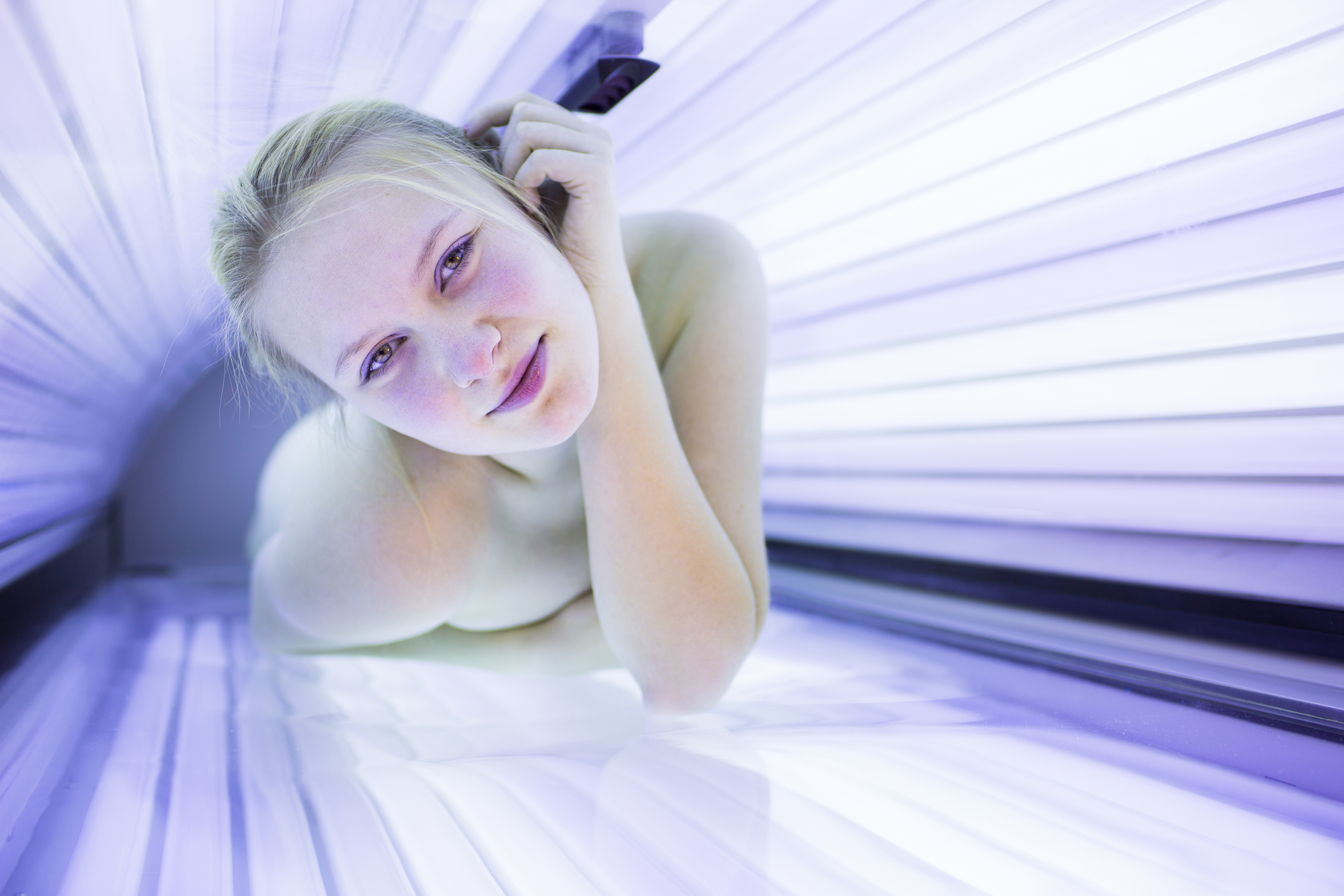
While you might seek the sun-kissed glow from a tanning bed, your eyelashes might not share the same enthusiasm. The quest for that perfect tan often overlooks the delicate nature of our eyelashes, exposed to the intense UV radiation.

You’ve probably heard conflicting opinions on this matter, but what does the latest scientific research say about the effects of UV exposure on your eyelashes? Before you book your next tanning session, consider the implications it could have on your lash health.

This might make you rethink how you achieve that golden hue, and we’re here to guide you through the alternatives and protective measures to keep your lashes not just beautiful but healthy.

Are Tanning Beds Bad For Eyelashes?

Pros and Cons Of Tanning Beds

To grasp the potential harm tanning beds can cause to your eyelashes, it’s crucial to understand how UV exposure affects the body.

When you’re soaking up those artificial rays, you’re exposing yourself to ultraviolet (UV) radiation, similar to what the sun emits.

While a bit of sunlight can be beneficial, aiding in the production of Vitamin D, which is essential for bone health and immune function, too much UV exposure can tip the scales towards health risks rather than benefits.

The most alarming risk associated with excessive UV exposure, whether from the sun or tanning beds, is skin cancer.

This includes melanoma, one of the deadliest forms, along with basal cell and squamous cell carcinomas.

UV radiation damages the DNA in your skin cells, leading to mutations that can cause cells to grow uncontrollably. It’s a stealthy process, often not showing its full consequences until years after the damage has occurred.

While you might think a tanning bed is a controlled environment to achieve that sun-kissed glow, the levels of UV radiation can actually be higher than what you’d get from natural sunlight.

This intensifies your risk, not just for skin cancer, but also for premature aging and immune suppression. The irony is thick – seeking a healthier look leads to practices that may undermine your health in profound ways.

Are Tanning Beds Bad For Eyelashes?

Now that you’re aware of how UV exposure works, let’s look at what it means for your eyelashes.

You mightn’t realize it, but those UV rays can lead to potential damage, making your lashes dry and more prone to breakage.

UV Damage Potential

How does exposure to UV radiation from tanning beds affect your eyelashes? While you might be seeking that perfect tan, your need to understand the impact UV radiation can have:

  1. Increased Risk of Skin Cancer: Prolonged exposure to UV radiation can heighten the risk of skin cancer, not just on your skin but also around the sensitive eye area.
  2. Impacts on Vitamin D Production: While UVB rays play a role in vitamin D production, excessive exposure, especially in tanning beds, does more harm than good.
  3. Potential for Damage to the Eyelash Follicles: Just like your skin, the follicles of your eyelashes can be damaged by UV radiation.
  4. Altered Eyelash Growth: Over time, the damage can affect the growth cycle of your eyelashes, potentially leading to changes in their density and length.

Dryness and Breakage

Exposing your eyelashes to the intense UV radiation from tanning beds can lead to dryness and breakage, affecting their health and appearance.

This exposure strips your lashes of their natural oils, which are key for maintaining moisture and flexibility. Without these oils, your lashes become brittle and more prone to snapping off.

If you’re wearing lash extensions, the risk increases as the glue used can also dry out, causing the extensions to fall out prematurely.

It’s vital to protect your lashes by minimizing tanning bed use and nurturing them with products designed to replenish natural oils.

Consistent care ensures your lashes stay healthy, reducing the likelihood of dryness and breakage.

ensures your lashes stay healthy

Scientific Research Findings

Recent studies indicate that the use of tanning beds may negatively impact the health and structure of eyelashes.

Tanning beds, while popular for their ability to enhance skin tone and even assist in Vitamin D synthesis, come with their share of controversies, especially concerning skin cancer risks. However, the focus here is on how they affect your eyelashes.

Here are key findings from scientific research:

  1. UV Radiation Damage: Extended exposure to ultraviolet (UV) radiation from tanning beds can weaken eyelash follicles. This can lead to increased fragility and loss over time.
  2. Dryness and Brittleness: The intense light and heat can strip moisture from your eyelashes, making them dry and brittle. This condition predisposes them to breakage.
  3. Altered Growth Cycle: Some studies suggest that UV exposure could disrupt the normal growth cycle of eyelashes, leading to irregular lengths and thicknesses.
  4. Potential for Eye Health Issues: Beyond the eyelashes, there’s a concern about the overall eye health. Extended UV exposure might increase the risk for cataracts and other eye conditions, indirectly affecting eyelash health due to compromised eye hygiene and increased rubbing.

Protective Measures

Wearing proper eyewear is a must to shield your lashes from harsh UV rays.

Adopting lash conditioning practices can help keep your eyelashes healthy and resilient.

Eyewear Protection Importance

To safeguard your eyes from potential harm in a tanning bed, you must wear protective eyewear.

This isn’t just about avoiding discomfort; it’s about ensuring long-term eye health. Here are reasons why:

  1. Lens Technology: Modern protective eyewear incorporates advanced lens technology that blocks harmful UV rays without compromising your vision or comfort.
  2. Fashion Trends: Today’s eyewear isn’t just functional; it’s also fashionable. You can protect your eyes while staying stylish.
  3. Prevent Long-term Damage: Consistent exposure without protection can lead to serious eye conditions.
  4. Immediate Comfort: High-quality eyewear prevents the immediate sensation of discomfort or dryness during tanning sessions.

Lash Conditioning Tips

As well as to protecting your eyes, it’s essential to care for your eyelashes by applying conditioning treatments that prevent damage from prolonged UV exposure.

Introducing lash serums into your nightly routines can significantly bolster the health and resilience of your lashes.

Type Application Time Benefit
Lash Serums Nightly Strengthens & Promotes Growth
Natural Oils Nightly Moisturizes & Nourishes
Hydrating Masks Weekly Prevents Dryness & Breakage
Vitamin E Nightly Supports Lash Repair
Protective Serum Before Tanning Shields from UV Damage

Alternatives to Tanning Beds

Exploring healthier alternatives to tanning beds can protect your skin and eyes from potential harm.

You’re not alone in seeking that sun-kissed glow, but you need to find methods that don’t jeopardize your well-being. Here’s a list of four safer options you might consider:

  1. Sunless Tanners: These products have come a long way in providing a natural-looking tan without the UV exposure. From lotions and sprays to mousse forms, sunless tanners can give you a bronzed look without the risks associated with tanning beds. They’re easy to apply, and you can control the intensity of your tan.
  2. Outdoor Tanning with Sunscreen: If you’re set on getting some sun, outdoor tanning is a better option than tanning beds, provided you use sunscreen. Applying a broad-spectrum sunscreen with at least SPF 30 can protect your skin while you soak up some vitamin D in moderation. Remember, the best times for outdoor tanning are before 10 a.m. and after 4 p.m. to avoid the sun’s peak harmful rays.
  3. Bronzing Powders and Creams: For an instant glow, consider cosmetic bronzers. They’re temporary but can provide a beautiful tan appearance for any occasion. Plus, there’s no risk of UV damage.
  4. Professional Spray Tans: If you’re looking for a more uniform and longer-lasting tan, a professional spray tan might be your best bet. Done in a salon, it’s quick and can last up to a week or more with proper care.

Eyelash Care Tips

Eyelash Care Tips

After considering safer alternatives to tanning beds, focus on the health of your eyelashes, ensuring they remain strong and vibrant.

Eyelash care mightn’t always be at the forefront of your beauty routine, but it’s essential for maintaining the overall health of your eyes and enhancing the beauty of your natural lashes. Here are some indispensable tips to keep in mind.

First off, be mindful of lash extensions. While they can offer that desired volume and length, they also require proper maintenance to avoid damage to your natural lashes.

Always ensure they’re applied by a professional who can guarantee they’re suited to your natural lash type.

Giving your lashes breaks between extensions can prevent them from becoming weak or damaged.

Mascara use is another area where you need to tread carefully. Opt for mascaras that are free from harsh chemicals and always remove your mascara before going to bed.

Sleeping with mascara on can lead to brittle lashes that are prone to breaking. Use a gentle eye makeup remover to avoid pulling or tugging, which could result in lash loss.

Enjoying a nutritious diet rich in vitamins and minerals can also promote lash health. Foods high in vitamins E and C can support lash growth and strength.

Consider using a lash serum that’s designed to nourish and reinforce your eyelashes. These serums can be particularly beneficial if you frequently use lash extensions or wear heavy eye makeup.

Conclusion

So, you’ve learned that UV exposure, including from tanning beds, can indeed harm your eyelashes. Research underscores the importance of protecting these delicate hairs.

Don’t worry, though; by adopting protective measures like special goggles and exploring alternatives to tanning beds, you can safeguard your lashes.

And remember, regular eyelash care tips can keep them healthy and strong. So, embrace these practices to ensure your lashes stay as vibrant and resilient as you are.