The Benefits of Organic Body Oil for Healthy Skin

In today’s fast-paced world, taking care of our skin often takes a backseat to our busy schedules. However, understanding the importance of skin care is crucial for maintaining not just your appearance, but also for overall health and well-being. Our skin, being the largest organ in our body, plays a significant role in protecting us from external elements and regulating body temperature. It is essential to prioritize the health of our skin and address any common skin problems that may arise.

Understanding the Importance of Skin Care

When it comes to taking care of our bodies, we often focus on things like exercise and nutrition. However, one area that is often overlooked is our skin. Our skin plays a crucial role in our overall health and well-being, and understanding its importance is essential.

The Benefits of Organic Body Oil for Healthy Skin

The Role of Skin in Our Overall Health

Our skin acts as a shield, protecting us from harmful pollutants, bacteria, and UV radiation. It is the first line of defense against external threats, preventing them from entering our bodies and causing harm. Without proper skin care, our skin’s protective barrier can become compromised, leaving us vulnerable to infections and diseases.

In addition to its protective function, our skin also helps regulate our internal body temperature. It does this through a process called thermoregulation, where blood vessels in the skin dilate or constrict to release or conserve heat. This is why we sweat when we’re hot and shiver when we’re cold.

Furthermore, our skin plays a crucial role in sensation. It is covered in millions of nerve endings that transmit important signals to our brain. These signals allow us to feel sensations such as touch, pressure, temperature, and pain. Without healthy skin, our ability to perceive and respond to our environment would be greatly impaired.

Common Skin Problems and Their Causes

Unfortunately, due to various factors such as genetics, lifestyle, and environmental factors, our skin can suffer from common problems like acne, dryness, and premature aging.

Acne is a skin condition that occurs when hair follicles become clogged with oil and dead skin cells. This can be caused by excess oil production, hormonal changes, bacteria, and even certain medications. While acne is often associated with adolescence, it can affect people of all ages.

Dryness, on the other hand, often occurs due to a lack of hydration or exposure to harsh weather conditions. When our skin lacks moisture, it can become dry, flaky, and itchy. Factors such as cold weather, low humidity, and excessive bathing or showering can contribute to dry skin.

Premature aging is another common skin concern that many people face. It is often attributed to factors such as sun exposure, smoking, and poor diet. The sun’s ultraviolet (UV) rays can damage the collagen and elastin fibers in our skin, leading to wrinkles, fine lines, and age spots. Smoking and an unhealthy diet can also accelerate the aging process, as they introduce harmful toxins and free radicals into our bodies.

It’s important to note that while genetics can play a role in our skin’s condition, our lifestyle choices and skincare habits can greatly impact its health. By understanding the causes of common skin problems, we can take proactive steps to prevent and treat them, ensuring that our skin remains healthy and radiant.

What is Organic Body Oil?

Organic body oil is a natural alternative to conventional body oils that contain synthetic ingredients. It is made from a blend of plant-based oils derived from organic sources, ensuring that no harmful chemicals or pesticides are present.

Organic body oil is a luxurious and nourishing product that provides deep hydration and moisturization to the skin. It is rich in essential fatty acids, vitamins, and antioxidants, which help to nourish and protect the skin from environmental damage.

Unlike conventional body oils, organic body oils are free from artificial fragrances, dyes, and preservatives. This makes them suitable for those with sensitive skin or allergies, as they are less likely to cause irritation or adverse reactions.

The production of organic body oil involves sourcing high-quality organic ingredients and using sustainable and eco-friendly manufacturing processes. This ensures that the final product is not only beneficial for the skin but also for the environment.

Different Types of Organic Body Oils

There are various types of organic body oils available, each offering unique benefits for different skin types and concerns. Popular options include argan oil, coconut oil, jojoba oil, and rosehip oil, among others.

Argan oil, also known as “liquid gold,” is derived from the kernels of the argan tree native to Morocco. It is rich in antioxidants, vitamin E, and fatty acids, making it an excellent choice for nourishing and moisturizing the skin. Argan oil is lightweight and easily absorbed, leaving the skin feeling soft and smooth.

Coconut oil is another popular organic body oil known for its moisturizing properties. It is extracted from the meat of coconuts and is high in saturated fats, which help to lock in moisture and improve skin elasticity.

Coconut oil has a light, tropical scent and can be used on both the face and body.

Jojoba oil is a versatile organic body oil that closely resembles the skin’s natural sebum. It is extracted from the seeds of the jojoba plant and is rich in vitamins, minerals, and fatty acids. Jojoba oil is known for its balancing properties, making it suitable for all skin types. It helps to regulate oil production, soothe inflammation, and moisturize the skin without clogging pores.

Rosehip oil is derived from the seeds of wild rose bushes and is packed with vitamins, antioxidants, and essential fatty acids. It is known for its ability to improve skin tone and texture, reduce the appearance of scars and wrinkles, and promote a youthful-looking complexion. Rosehip oil is lightweight and absorbs quickly into the skin, leaving it feeling nourished and rejuvenated.

Other types of organic body oils include almond oil, olive oil, grapeseed oil, and avocado oil, each offering their own unique benefits and properties.

In conclusion, organic body oil is a natural and nourishing alternative to conventional body oils. It provides deep hydration, moisturization, and a range of skin benefits without the use of harmful chemicals or synthetic ingredients. With various types to choose from, there is an organic body oil suitable for every skin type and concern.

The Advantages of Using Organic Body Oil

Nutrient-Rich Composition of Organic Body Oils

Organic body oils are packed with essential nutrients, vitamins, and antioxidants that nourish and protect the skin. These oils provide much-needed hydration, promote cell regeneration, and help improve the overall texture and appearance of the skin.

Organic Body Oil and Skin Hydration

Proper hydration is crucial for maintaining healthy skin. Organic body oils penetrate deeper into the skin, locking in moisture and preventing dryness. Unlike conventional body oils that may contain drying alcohols, organic body oils help restore the skin’s natural moisture balance.

The Anti-Aging Properties of Organic Body Oils

Premature aging signs like fine lines, wrinkles, and sagging skin can be effectively addressed with organic body oils. These oils are rich in antioxidants that combat free radicals and protect the skin from environmental damage, promoting a youthful complexion.

Comparing Organic Body Oil with Conventional Body Oils

The Harmful Effects of Chemicals in Conventional Body Oils

Conventional body oils often contain harmful chemicals, such as parabens, phthalates, and mineral oil. These chemicals can irritate the skin, clog pores, and disrupt the body’s hormone balance. Long-term use of these products may lead to adverse health effects.

Why Organic Body Oil is a Safer Choice

Organic body oils, on the other hand, are free from synthetic additives and are derived from natural ingredients. This makes them a safer choice, especially for those with sensitive skin or those looking to minimize exposure to toxins. Organic body oils are also cruelty-free, as they are not tested on animals.

How to Incorporate Organic Body Oil into Your Skin Care Routine

Choosing the Right Organic Body Oil for Your Skin Type

When selecting an organic body oil, it is important to consider your skin type and specific concerns. For example, those with dry skin may benefit from heavier oils like coconut or shea butter, while those with oily skin may prefer lighter options such as jojoba or grapeseed oil.

Best Practices for Applying Organic Body Oil

To maximize the benefits of organic body oil, it is essential to apply it properly. Start with clean, dry skin and apply a small amount to your palms. Gently massage the oil into your skin using upward circular motions until fully absorbed. Pay extra attention to areas that tend to be drier or where fine lines may appear.

By incorporating organic body oil into your skincare routine, you can reap the numerous benefits it offers for healthy skin. Remember to prioritize skin care, understand your skin’s needs, and make informed choices that promote overall well-being. Your skin will thank you for it.
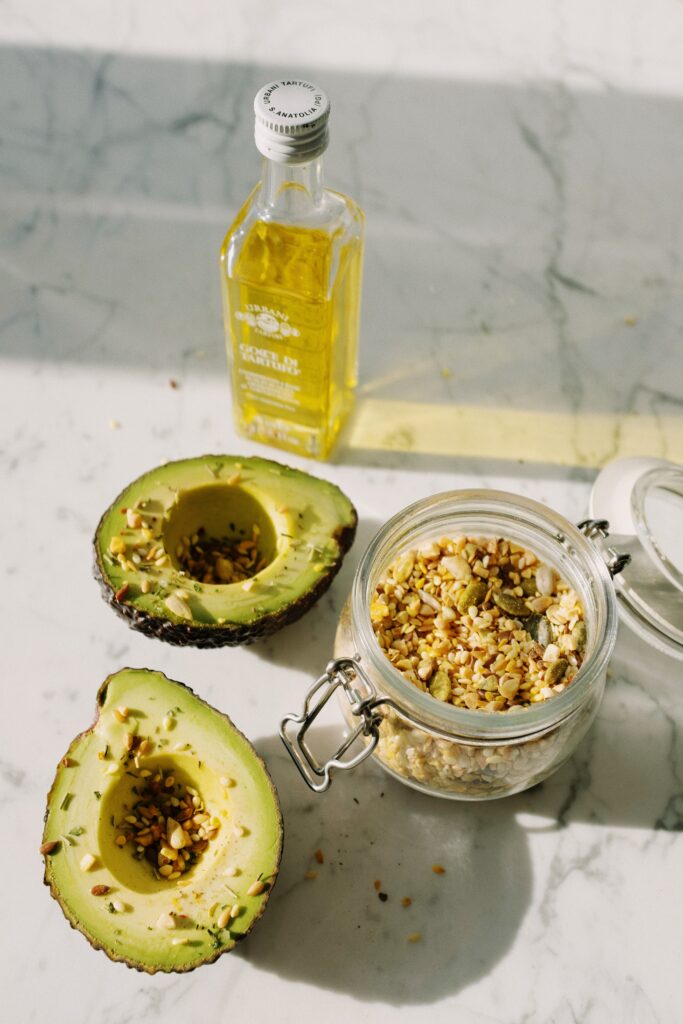
The Benefits of Organic Avocado Oil

Organic avocado oil has gained popularity in recent years due to its numerous health benefits and versatile uses in cooking and skincare. This article aims to provide an in-depth understanding of organic avocado oil, including its production process, nutritional profile, and health advantages. Additionally, we will explore its culinary applications, offer delicious recipes, and provide guidance on purchasing and storing high-quality avocado oil.

Understanding Organic Avocado Oil

What is Organic Avocado Oil?

Organic avocado oil is derived from the flesh of ripe avocados through a cold-press extraction method. Unlike conventional avocado oil, organic varieties are produced without the use of synthetic fertilizers, pesticides, or genetically modified organisms (GMOs). This ensures that the oil is free from harmful chemical residues and retains its natural properties.

The Benefits of Organic Avocado Oil

Organic avocado oil is highly regarded for its numerous health benefits. It is rich in monounsaturated fats, which are known to promote heart health and reduce the risk of cardiovascular diseases. Additionally, it contains a variety of essential nutrients, including vitamins E and C, potassium, and antioxidants, which help protect the body against oxidative stress and inflammation.

The production of organic avocado oil involves a meticulous process to guarantee its quality and purity. The avocados used in the production are carefully selected based on their ripeness and quality. Only fully ripened avocados are chosen to ensure maximum flavor and nutritional content.

How is Organic Avocado Oil Produced?

The production of organic avocado oil begins with washing and peeling the avocados. The avocados are then carefully sliced open, and their flesh is meticulously removed. This process requires skilled hands to ensure that no part of the fruit is wasted.

Once the avocado flesh is obtained, it is subjected to a cold-press extraction method. This method involves mechanically squeezing the pulp under low temperatures to extract the oil. The low temperatures help preserve the oil’s nutritional value, ensuring that it retains its beneficial properties.

After the cold-press extraction, the resulting oil is filtered to remove any impurities. This filtration process ensures that the final product is pure and free from any unwanted particles. The filtered oil is then carefully packaged to maintain its freshness and quality.

Organic avocado oil is known for its versatility in culinary applications. Its mild and buttery flavor makes it an excellent choice for salad dressings, marinades, and sautéing. It can also be used as a substitute for butter or other cooking oils, adding a healthy twist to your favorite recipes.

Furthermore, organic avocado oil is not only beneficial for cooking but also for skincare. Its high content of vitamins and antioxidants makes it a popular ingredient in natural beauty products. It can be used as a moisturizer, helping to nourish and hydrate the skin, leaving it soft and supple.

In conclusion, organic avocado oil is a valuable and versatile product that offers numerous health benefits. Its production involves a careful selection process and cold-press extraction to ensure its quality and purity.

Whether used in cooking or skincare, organic avocado oil is a wonderful addition to any lifestyle.

Nutritional Profile of Organic Avocado Oil

Organic avocado oil is renowned for its rich nutrient profile. It is a fantastic source of essential vitamins, including vitamin E, which acts as a potent antioxidant and helps protect the body from oxidative stress. Vitamin E is a fat-soluble vitamin that plays a crucial role in maintaining healthy skin, eyes, and immune function. It also contributes to the formation of red blood cells and helps in the metabolism of certain nutrients.

In addition to vitamin E, avocado oil also contains vitamin K, which contributes to bone health and blood clotting regulation. Vitamin K is essential for proper blood clotting, preventing excessive bleeding, and maintaining strong bones. Including avocado oil in your diet can help ensure that you are meeting your vitamin K requirements.

Furthermore, avocado oil provides small amounts of vitamins A, C, and various B vitamins. Vitamin A is important for maintaining healthy vision, supporting the immune system, and promoting cell growth and differentiation. Vitamin C is an antioxidant that plays a vital role in collagen synthesis, wound healing, and immune function. The B vitamins, including thiamin, riboflavin, niacin, pantothenic acid, pyridoxine, biotin, and folate, are involved in energy production, brain function, red blood cell production, and DNA synthesis.

Fatty Acid Composition of Avocado Oil

One of the key components of avocado oil is its high content of monounsaturated fatty acids (MUFAs), specifically oleic acid. MUFAs have been linked to improving heart health by reducing LDL cholesterol levels. By replacing saturated fats in the diet with MUFAs, such as those found in avocado oil, you can help lower your risk of heart disease and stroke.

Furthermore, avocado oil contains omega-3 and omega-6 fatty acids in optimal ratios. Omega-3 fatty acids, such as alpha-linolenic acid (ALA), have anti-inflammatory properties and play a crucial role in brain function and heart health. Omega-6 fatty acids, such as linoleic acid (LA), are also important for maintaining overall health and are necessary for the proper functioning of the immune system. The balanced ratio of omega-3 to omega-6 fatty acids in avocado oil can help reduce inflammation in the body and support overall well-being.

In conclusion, organic avocado oil is not only a flavorful addition to your meals but also a nutrient powerhouse. Its high content of essential vitamins, including vitamin E and vitamin K, along with a favorable fatty acid composition, make it a healthy choice for cooking and dressing. Incorporating avocado oil into your diet can provide numerous health benefits, from promoting heart health to supporting immune function and reducing inflammation. So, why not give this versatile oil a try and enjoy the goodness it brings to your table?

Health Benefits of Organic Avocado Oil

Heart Health and Avocado Oil

The consumption of organic avocado oil has been associated with numerous cardiovascular benefits. The high content of MUFAs and omega fatty acids helps reduce LDL cholesterol levels and may decrease the risk of heart disease. Avocado oil also contains plant sterols that have been shown to have cholesterol-lowering properties, further protecting heart health.

Skin and Hair Benefits of Avocado Oil

Organic avocado oil is a nourishing ingredient for both the skin and hair. Its high vitamin E content helps moisturize and promote skin elasticity, preventing dryness and reducing the appearance of fine lines and wrinkles. Avocado oil can also be used as a hair treatment, providing deep hydration, strengthening strands, and reducing frizz.

Avocado Oil and Digestive Health

Avocado oil possesses natural anti-inflammatory properties, making it beneficial for digestive health. It can help soothe an irritated or inflamed digestive tract, promoting proper digestion and nutrient absorption.

Additionally, avocado oil has been shown to increase the bioavailability of fat-soluble vitamins and antioxidants in other foods.

Cooking with Organic Avocado Oil

Why Choose Avocado Oil for Cooking?

Avocado oil is an excellent choice for cooking due to its high smoke point, making it suitable for various culinary applications. Its mild and slightly nutty flavor enhances dishes without overpowering other ingredients.

Avocado oil can be used for sautéing, frying, grilling, and baking, providing a healthier alternative to less stable cooking oils.

Delicious Recipes Using Avocado Oil

Here are two delightful recipes that showcase the versatility of organic avocado oil:

  1. Avocado and Tomato Salad: In a bowl, combine sliced avocado, cherry tomatoes, red onion, and a handful of fresh basil leaves. Drizzle with lemon juice, avocado oil, and a pinch of sea salt. Toss gently to combine, and enjoy a refreshing and nutritious salad.
  2. Roasted Vegetables: Preheat the oven to 425°F (220°C). In a baking pan, toss chopped vegetables such as carrots, bell peppers, and zucchini with avocado oil, garlic powder, and your favorite herbs. Roast for 25-30 minutes, or until tender and golden brown.

Buying and Storing Organic Avocado Oil

How to Choose High-Quality Avocado Oil

When purchasing organic avocado oil, look for reputable brands that follow strict organic certification standards. Opt for extra-virgin or cold-pressed options to ensure maximum nutrient retention. Additionally, check for a clear expiration date and choose oils packaged in dark glass bottles to protect against light exposure.

Proper Storage of Avocado Oil for Longevity

To maintain the quality of organic avocado oil, it is essential to store it properly. Keep the oil in a cool, dark place away from direct sunlight and heat sources. Seal the bottle tightly after each use and avoid exposing it to air for extended periods. When stored correctly, avocado oil can retain its freshness and nutrient content for up to 12 months.

In conclusion, organic avocado oil offers a wide array of benefits, ranging from its nutritional value to its positive effects on heart health, digestion, and skincare. Incorporating this versatile oil into your cooking and daily routine not only enriches your meals but also promotes overall well-being. Remember to choose high-quality options, experiment with various recipes, and store the oil properly to fully enjoy its remarkable benefits.

Organic Virgin Coconut Oil: Benefits and Uses

Organic virgin coconut oil has gained popularity in recent years due to its numerous health benefits and versatile uses. Understanding what organic virgin coconut oil is and how it is produced is essential in appreciating its unique qualities. Additionally, exploring its nutritional profile and comparing it with other oils can provide valuable insights into its potential health benefits. Moreover, this article will delve into the various culinary uses of organic virgin coconut oil, including cooking and baking. Lastly, we will explore its applications in beauty regimens and natural medicine, showcasing its versatility beyond the kitchen.

Understanding Organic Virgin Coconut Oil

What is organic virgin coconut oil? Derived from the meat of mature coconuts, organic virgin coconut oil is extracted through a meticulous process that ensures the preservation of its natural properties. This oil is distinct from refined coconut oil, which undergoes refining and bleaching processes that strip away some of its healthful components.

Organic Virgin Coconut Oil: Benefits and Uses

Organic virgin coconut oil is not just your ordinary cooking oil. It is a versatile and highly sought-after product that offers numerous health benefits. Let’s delve deeper into the world of organic virgin coconut oil to understand its unique qualities.

What is Organic Virgin Coconut Oil?

Organic virgin coconut oil is a pure, unrefined oil that retains the natural flavor, aroma, and nutrients of coconuts. It is often sought after for its potential health benefits and unique taste. Unlike refined coconut oil, which is processed and stripped of its natural goodness, organic virgin coconut oil undergoes minimal processing, preserving its inherent properties.

The distinct taste and aroma of organic virgin coconut oil make it a favorite ingredient in various cuisines around the world. From tropical curries to decadent desserts, this oil adds a delightful tropical twist to any dish.

How is Organic Virgin Coconut Oil Produced?

The production of organic virgin coconut oil begins with extracting the meat from mature coconuts. These coconuts are carefully selected for their quality and maturity. The meat is then shredded and cold-pressed to extract the oil. This gentle extraction method helps retain the oil’s natural compounds, resulting in a high-quality product.

During the cold-pressing process, the temperature is kept below 120 degrees Fahrenheit to ensure that the oil retains its nutritional value and delicate flavors. This method of extraction is time-consuming but worth it, as it yields an oil that is rich in antioxidants, vitamins, and medium-chain fatty acids.

The quality of the coconuts used in the production of organic virgin coconut oil plays a crucial role in its final product. Coconuts grown in organic, pesticide-free environments are preferred, as they are free from harmful chemicals and additives. This ensures that the oil is truly pure and natural.

Once the oil is extracted, it goes through a filtration process to remove any impurities. This step further enhances the oil’s clarity and purity, making it suitable for a wide range of applications.

Organic virgin coconut oil is a product that reflects nature’s bounty. Its production involves a careful balance of traditional techniques and modern technology to deliver a superior oil that is both nourishing and flavorful.

Nutritional Profile of Organic Virgin Coconut Oil

Organic virgin coconut oil boasts a rich nutritional profile that sets it apart from other oils. But what exactly makes it so special?

First and foremost, organic virgin coconut oil contains healthy saturated fats, including medium-chain triglycerides (MCTs). These MCTs, such as lauric acid, may provide various health benefits. Lauric acid, for example, is known for its antimicrobial and antiviral properties, which can help boost the immune system and fight off harmful pathogens.

Furthermore, organic virgin coconut oil is also a great source of antioxidants. These powerful compounds help protect the body against oxidative stress, reducing the risk of chronic diseases and promoting overall well-being.

Key Nutrients in Organic Virgin Coconut Oil

Let’s delve deeper into the key nutrients found in organic virgin coconut oil. Apart from the healthy saturated fats and MCTs, this oil also contains essential vitamins and minerals.

One notable vitamin found in organic virgin coconut oil is vitamin E. This fat-soluble vitamin acts as a potent antioxidant, protecting the body’s cells from damage caused by free radicals. Additionally, vitamin E plays a crucial role in maintaining healthy skin, hair, and nails.

In terms of minerals, organic virgin coconut oil is a rich source of iron. Iron is essential for the production of red blood cells, which carry oxygen throughout the body. Adequate iron intake is crucial for preventing iron deficiency anemia and maintaining optimal energy levels.

Comparing Organic Virgin Coconut Oil with Other Oils

When comparing organic virgin coconut oil with other oils, such as olive oil or vegetable oil, it’s important to consider factors beyond just taste and smoke point.

While olive oil is well-known for its heart-healthy monounsaturated fats and vegetable oil for its versatility in cooking, organic virgin coconut oil brings its own unique benefits to the table.

For starters, organic virgin coconut oil has a higher smoke point compared to olive oil, making it more suitable for high-heat cooking methods like frying or sautéing. This means that the oil maintains its nutritional integrity even at higher temperatures, without breaking down and losing its beneficial properties.

Additionally, organic virgin coconut oil has a distinctive flavor that adds a delightful tropical twist to dishes. It pairs exceptionally well with Asian-inspired recipes, baked goods, and smoothies, giving them a rich and aromatic taste.

Lastly, organic virgin coconut oil has been praised for its potential health benefits, such as improving digestion, boosting metabolism, and supporting brain health. The MCTs found in this oil are easily digested and quickly converted into energy, making it a popular choice among athletes and those following a ketogenic diet.

With its unique characteristics and a wide array of potential health benefits, organic virgin coconut oil is undoubtedly a valuable addition to any kitchen. Whether you’re looking to enhance the flavor of your favorite dishes or reap the numerous health benefits it offers, this versatile oil is a must-have for health-conscious individuals.

Health Benefits of Organic Virgin Coconut Oil

Organic virgin coconut oil offers an array of potential health benefits, making it a popular choice for those seeking natural alternatives for their well-being.

Boosting Heart Health

While organic virgin coconut oil is high in saturated fats, these are primarily medium-chain fatty acids, which may have a neutral or positive impact on heart health when consumed in moderation.

Aiding in Weight Loss

Some studies suggest that the medium-chain fatty acids in organic virgin coconut oil can increase feelings of fullness, potentially aiding in weight loss efforts. However, it’s important to maintain a balanced and varied diet in conjunction with any dietary changes.

Improving Skin and Hair Health

Organic virgin coconut oil has been used for centuries in nourishing the skin and hair. Its moisturizing properties make it a popular ingredient in beauty products, and it can also be applied directly to the skin or hair as a natural moisturizer.

Culinary Uses of Organic Virgin Coconut Oil

Organic virgin coconut oil is not only beneficial for health but also adds a delightful flavor to various culinary creations.

Cooking with Organic Virgin Coconut Oil

Organic virgin coconut oil is an excellent choice for sautéing, stir-frying, and baking due to its high smoke point and distinct flavor. It imparts a subtle hint of coconut to dishes, enhancing their taste and aroma.

Baking with Organic Virgin Coconut Oil

When used in baking, organic virgin coconut oil can replace traditional fats like butter, adding a unique texture and flavor to cakes, cookies, and pastries.

Other Uses of Organic Virgin Coconut Oil

The versatility of organic virgin coconut oil extends beyond its culinary applications.

Organic Virgin Coconut Oil in Beauty Regimens

Many people incorporate organic virgin coconut oil into their beauty routines. It can be used as a natural moisturizer, lip balm, makeup remover, and hair conditioner, providing nourishment and hydration.

Organic Virgin Coconut Oil in Natural Medicine

In addition to its culinary and beauty uses, organic virgin coconut oil is also utilized in natural medicine. Some individuals use it in oil pulling, a practice believed to promote oral health, or as a base for homemade natural remedies.

In conclusion, organic virgin coconut oil is a versatile and beneficial product with a wide range of applications. By understanding its production process, nutritional profile, and health benefits, individuals can make informed choices when incorporating it into their daily lives. Whether used in cooking, beauty regimens, or natural medicine, organic virgin coconut oil provides a natural and flavorful alternative for those seeking to embrace its many benefits.

Organic Unrefined Coconut Oil: Benefits and Uses

In recent years, organic unrefined coconut oil has gained popularity as a versatile and health-promoting product. This natural oil has a wide range of benefits and uses that make it a valuable addition to any lifestyle. Whether used in cooking, beauty routines, or natural remedies, organic unrefined coconut oil offers numerous advantages that have made it a staple in many households. In this article, we will explore the many benefits and uses of organic unrefined coconut oil, from its understanding and production to its nutritional profile and culinary and non-culinary applications.

Understanding Organic Unrefined Coconut Oil

What exactly is organic unrefined coconut oil? Well, coconut oil is extracted from the meat of mature coconuts. Organic unrefined coconut oil, as the name suggests, is produced without the use of any chemicals or refining processes. It is a pure, unadulterated form of the oil, which retains its natural nutrients and properties. The production of organic unrefined coconut oil involves meticulous extraction methods, ensuring that the oil is as close to its natural state as possible, making it a healthier option compared to its refined counterparts.

Organic Unrefined Coconut Oil: Benefits and Uses

But let’s delve deeper into the fascinating world of organic unrefined coconut oil. Did you know that coconut oil has been used for centuries in traditional medicine and cooking? In many tropical regions, coconut oil is not just a cooking ingredient, but also a multi-purpose product with various health benefits.

So, how is organic unrefined coconut oil made? The process involves grating the coconut meat, drying it, and then cold-pressing it to extract the oil. The resulting oil is minimally filtered to remove any impurities, resulting in a golden-colored oil with a distinctive coconut aroma and flavor.

During the extraction process, the temperature is carefully controlled to preserve the oil’s natural properties. This gentle method ensures that the oil retains its medium-chain fatty acids, such as lauric acid, which is known for its antimicrobial and antiviral properties. These medium-chain fatty acids are easily digested and provide a quick source of energy.

Organic unrefined coconut oil is also rich in antioxidants, which help protect the body against oxidative stress and free radical damage. These antioxidants, such as vitamin E, contribute to the oil’s stability and shelf life, making it a versatile ingredient for various culinary and skincare applications.

Moreover, organic unrefined coconut oil is a source of healthy fats, including saturated fats. While saturated fats have been historically demonized, recent research suggests that not all saturated fats are created equal.

The saturated fats found in coconut oil are primarily composed of medium-chain triglycerides (MCTs), which have been linked to numerous health benefits, including improved brain function and weight management.

When it comes to cooking, organic unrefined coconut oil has a high smoke point, making it suitable for various cooking methods, including sautéing, baking, and stir-frying. Its subtle coconut flavor adds a delightful touch to dishes, whether it’s a stir-fry, a baked good, or a creamy curry.

Beyond the kitchen, organic unrefined coconut oil has gained popularity in the world of skincare. Its natural moisturizing properties make it an excellent choice for nourishing the skin and hair. From being used as a natural makeup remover to a deep conditioning hair mask, organic unrefined coconut oil is a versatile addition to any beauty routine.

In conclusion, organic unrefined coconut oil is a pure and natural product that undergoes minimal processing, ensuring that it retains its nutritional value and beneficial properties. From its extraction methods to its various health benefits, coconut oil has stood the test of time as a versatile and valuable ingredient in both culinary and skincare applications.

Nutritional Profile of Organic Unrefined Coconut Oil

Organic unrefined coconut oil is not only delicious but also packed with essential nutrients. It is rich in medium-chain triglycerides (MCTs), which are easily digested and metabolized by the body for energy. MCTs have been linked to improved brain function and weight management.

In addition to MCTs, organic unrefined coconut oil contains a variety of vitamins and minerals, including vitamin E, vitamin K, and iron. These nutrients provide antioxidant benefits and support overall health and well-being.

When comparing organic unrefined coconut oil with other oils, it is important to note that it consists mainly of saturated fats. However, studies have shown that the saturated fats in coconut oil are primarily medium-chain fatty acids, which are processed differently by the body compared to long-chain fatty acids found in other oils.

Health Benefits of Organic Unrefined Coconut Oil

Organic unrefined coconut oil offers a range of health benefits that make it a valuable addition to a balanced diet.

Boosting Heart Health

Contrary to popular belief, the saturated fats in organic unrefined coconut oil have been shown to have a positive impact on heart health. They increase levels of HDL (good) cholesterol and improve overall cholesterol profile. Medium-chain fatty acids in coconut oil also have anti-inflammatory properties that can reduce the risk of heart disease.

Enhancing Skin and Hair Health

Organic unrefined coconut oil is a natural moisturizer that helps nourish and hydrate the skin. It can be applied topically to relieve dryness, soothe irritation, and promote a healthy complexion. Additionally, it can be used as a hair mask to moisturize and strengthen hair, leaving it shiny and lustrous.

Aiding in Weight Loss

The medium-chain triglycerides in organic unrefined coconut oil have been found to increase feelings of fullness and boost metabolism, making it a useful tool for weight management. By incorporating coconut oil into a balanced diet, individuals may experience reduced appetite and increased fat burning, aiding in weight loss efforts.

Culinary Uses of Organic Unrefined Coconut Oil

Organic unrefined coconut oil is a fantastic ingredient to incorporate into your cooking and baking routine.

Cooking with Organic Unrefined Coconut Oil

Due to its high smoke point, organic unrefined coconut oil is ideal for high-heat cooking methods such as stir-frying and sautéing. It imparts a subtle coconut flavor to dishes and can be a versatile replacement for butter or other cooking oils. From roasted vegetables to fried rice, coconut oil adds a delicious twist to a wide range of recipes.

Baking with Organic Unrefined Coconut Oil

Organic unrefined coconut oil can be used as a substitute for butter or other oils in baking recipes, adding a unique flavor and moisture to your favorite treats. From cookies to cakes, coconut oil brings a delightful richness to baked goods that can’t be matched.

Other Uses of Organic Unrefined Coconut Oil

In addition to its culinary applications, organic unrefined coconut oil has various uses beyond the kitchen.

Organic Unrefined Coconut Oil in Beauty Routines

As a natural and nourishing ingredient, organic unrefined coconut oil can be incorporated into beauty routines. It can be used as a makeup remover, lip balm, body moisturizer, or even as a natural highlighter. Its antimicrobial properties also make it an excellent option for oil pulling, a traditional oral hygiene practice.

Organic Unrefined Coconut Oil in Natural Remedies

Organic unrefined coconut oil is often used in natural remedies due to its antimicrobial and anti-inflammatory properties. It can be applied topically to soothe minor cuts, burns, or insect bites. Additionally, it can be used as a carrier oil for essential oils, enhancing their effectiveness and providing a natural solution for various ailments.

In conclusion, organic unrefined coconut oil is a versatile and beneficial product that offers a multitude of uses and health benefits. From its understanding and production to its nutritional profile and culinary and non-culinary applications, organic unrefined coconut oil has become a staple in many households. Whether used in cooking, beauty routines, or natural remedies, this natural oil continues to impress with its versatility and ability to support overall health and well-being. So why not incorporate organic unrefined coconut oil into your lifestyle and experience its many benefits firsthand?

Organic Tea Tree Oil: Benefits and Uses

In recent years, organic tea tree oil has gained immense popularity as a natural remedy for various health and beauty concerns. Its unique properties and numerous benefits make it a must-have in every household. In this article, we will delve into the world of organic tea tree oil, understanding its origins, and exploring its wide range of uses and advantages.

Understanding Tea Tree Oil

Tea tree oil, also known as melaleuca oil, is derived from the leaves of the Melaleuca alternifolia plant, native to Australia. Aboriginal people have used this versatile oil for centuries due to its medicinal properties.


Today, it is widely recognized and appreciated for its powerful antibacterial, antifungal, and antiseptic qualities.Organic Tea Tree Oil: Benefits and Uses

Tea tree oil has a long history of traditional use by the indigenous people of Australia. They would crush the leaves of the Melaleuca alternifolia plant and apply it to wounds, cuts, and infections to promote healing. The oil was also used as a natural insect repellent and to treat skin conditions such as acne and eczema.

One of the key reasons why tea tree oil is so effective is its high concentration of terpinen-4-ol, a compound known for its antimicrobial properties. This compound helps to kill bacteria, fungi, and viruses, making tea tree oil a popular choice for natural remedies.

The Organic Difference: Why Choose Organic Tea Tree Oil?

When it comes to tea tree oil, opting for the organic variety is a wise choice. Organic tea tree oil is extracted using environmentally friendly methods and is free from synthetic pesticides or additives. By choosing organic, you ensure that the oil is pure, potent, and free from any harmful residues, making it safer for topical application or ingestion.

Organic farming practices used in the cultivation of tea tree plants prioritize the health of the soil, water, and surrounding ecosystems. This means that the plants are grown without the use of synthetic fertilizers or pesticides, which can have detrimental effects on the environment and human health.

Furthermore, organic tea tree oil is often produced using steam distillation, a gentle extraction method that preserves the oil’s natural properties. This ensures that the oil retains its full range of therapeutic compounds, providing maximum benefits when used in various applications.

By choosing organic tea tree oil, you not only support sustainable and eco-friendly farming practices but also prioritize your own well-being. The absence of synthetic chemicals in organic tea tree oil reduces the risk of skin irritation or allergic reactions, making it suitable for those with sensitive skin.

The History of Tea Tree Oil

The history of tea tree oil dates back centuries, with its origins rooted in the indigenous people of Australia. These native inhabitants have long recognized the medicinal qualities of tea tree oil and have utilized it for various purposes.

Origins and Traditional Uses

The indigenous people of Australia, known for their deep connection with nature, discovered the powerful healing properties of tea tree oil. They would gather the leaves of the Melaleuca alternifolia plant, a species native to the region, and crush them to extract the oil. This oil was then applied directly to wounds, skin infections, and respiratory ailments.

For generations, tea tree oil played a vital role in the indigenous communities’ healthcare practices. Its natural antiseptic and anti-inflammatory properties made it an effective remedy for treating cuts, burns, and insect bites. The oil was also used to alleviate symptoms of respiratory conditions, such as coughs and congestion.

Moreover, tea tree oil was valued for its ability to soothe and nourish the skin. It was commonly used to treat acne, eczema, and other skin conditions. The indigenous people recognized its potential as a versatile remedy, making it an essential part of their traditional medicine.

Modern Discovery and Commercialization

The commercialization of tea tree oil began in the 1920s when researchers and scientists started to acknowledge its potent antiseptic properties. The oil’s effectiveness in killing bacteria and fungi was recognized, leading to its increased popularity in the medical field.

As the years went by, more people became aware of the numerous benefits of tea tree oil, and its popularity grew exponentially. The oil’s natural properties made it an attractive alternative to synthetic chemicals found in many skincare, haircare, and household products.

Today, organic tea tree oil is a staple ingredient in a wide range of products. It can be found in facial cleansers, shampoos, conditioners, soaps, and even natural household cleaners. Its gentle yet effective nature makes it suitable for various skin and hair types, providing a natural solution for those seeking a more holistic approach to personal care.

Furthermore, tea tree oil’s popularity has extended beyond the realm of personal care. It is now commonly used in aromatherapy, where its invigorating scent is believed to promote relaxation and improve overall well-being.

In conclusion, the history of tea tree oil is rich and diverse. From its traditional use by the indigenous people of Australia to its modern commercialization, tea tree oil has proven to be a valuable natural remedy. Its versatile properties and wide range of applications have solidified its place in the world of natural health and wellness.

Health Benefits of Organic Tea Tree Oil

Skin Care Advantages

Organic tea tree oil is an excellent addition to your skincare routine. It possesses natural antimicrobial properties that can help combat acne-causing bacteria and reduce breakouts. Additionally, it soothes inflammation, reduces redness, and promotes overall skin health. From cleansers and toners to spot treatments, tea tree oil is a powerful ally for clear and radiant skin.

Hair Care Benefits

The benefits of organic tea tree oil extend beyond skincare. When incorporated into hair care products, tea tree oil helps eliminate dandruff, soothes an irritated scalp, and keeps hair healthy and free from fungal infections. It nourishes the hair follicles, stimulating hair growth while adding shine and luster to your locks.

Immune System Boosting Properties

Organic tea tree oil possesses immune system-boosting properties that can help fend off common ailments. When diffused or applied topically, it helps fight off bacteria, viruses, and fungal pathogens. It can also help alleviate symptoms of respiratory conditions, such as coughs and congestion.

Practical Uses of Organic Tea Tree Oil

Household Uses

Beyond its application in personal care, organic tea tree oil offers practical solutions around the home. Its powerful antimicrobial properties make it useful for disinfecting surfaces, cleaning kitchen countertops, and freshening up the air. You can create your DIY household cleaner by diluting tea tree oil with water, vinegar, or your favorite natural cleaning agent.

Personal Care Uses

The applications of organic tea tree oil in personal care are vast. It can be incorporated into homemade deodorants, toothpaste, and mouthwash for its powerful antibacterial properties. Additionally, tea tree oil can be beneficial in relieving minor skin irritations, such as insect bites, cuts, and burns.

How to Use Organic Tea Tree Oil Safely

Dilution and Application Methods

Since tea tree oil is highly concentrated, it is crucial to dilute it before use. To dilute, mix a few drops of tea tree oil with a carrier oil such as jojoba, coconut, or almond oil. This ensures that it is safe for use on the skin.

Always perform a patch test before using tea tree oil topically and avoid contact with eyes.

Potential Side Effects and Precautions

While organic tea tree oil is generally safe, some individuals may experience skin sensitivity or allergic reactions. If you have sensitive skin, it is advisable to consult a dermatologist before using tea tree oil.

Furthermore, pregnant or breastfeeding individuals should exercise caution and consult their healthcare provider before using tea tree oil.

In conclusion, organic tea tree oil is a versatile and beneficial natural remedy that can enhance your overall well-being. From skincare and haircare to household cleaning, this powerful oil offers numerous advantages.

By choosing organic tea tree oil, you ensure the purity and potency of the product, making it even more effective for a wide range of uses. Embrace the benefits of organic tea tree oil and unlock its remarkable potential.