
Organic avocado oil has gained popularity in recent years due to its numerous health benefits and versatile uses in cooking and skincare. This article aims to provide an in-depth understanding of organic avocado oil, including its production process, nutritional profile, and health advantages. Additionally, we will explore its culinary applications, offer delicious recipes, and provide guidance on purchasing and storing high-quality avocado oil.
Understanding Organic Avocado Oil
What is Organic Avocado Oil?
Organic avocado oil is derived from the flesh of ripe avocados through a cold-press extraction method. Unlike conventional avocado oil, organic varieties are produced without the use of synthetic fertilizers, pesticides, or genetically modified organisms (GMOs). This ensures that the oil is free from harmful chemical residues and retains its natural properties.
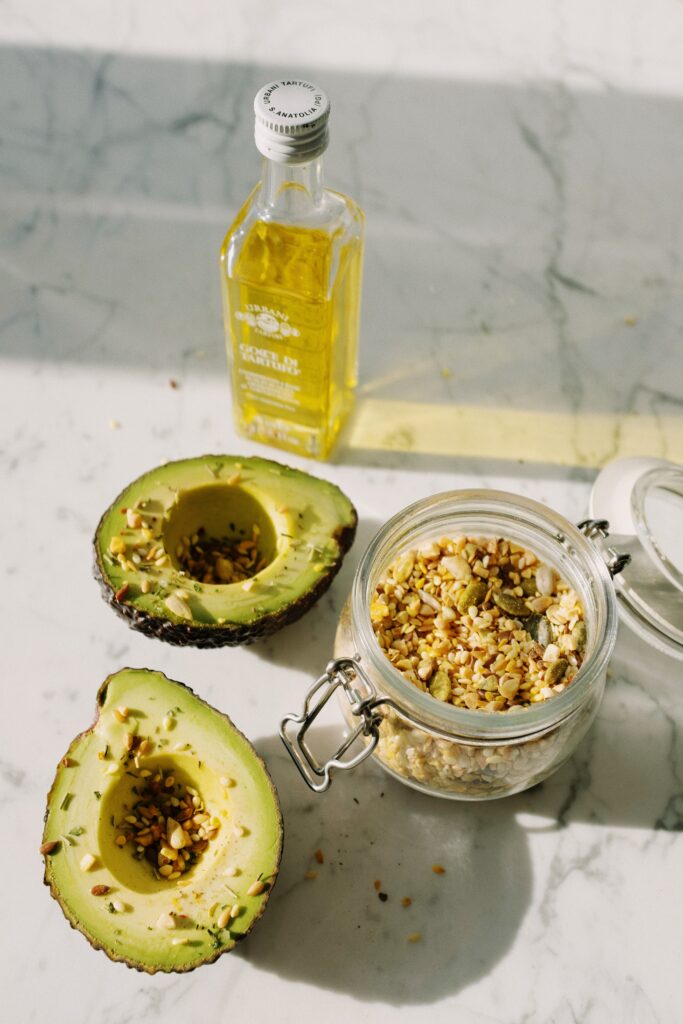
Organic avocado oil is highly regarded for its numerous health benefits. It is rich in monounsaturated fats, which are known to promote heart health and reduce the risk of cardiovascular diseases. Additionally, it contains a variety of essential nutrients, including vitamins E and C, potassium, and antioxidants, which help protect the body against oxidative stress and inflammation.
The production of organic avocado oil involves a meticulous process to guarantee its quality and purity. The avocados used in the production are carefully selected based on their ripeness and quality. Only fully ripened avocados are chosen to ensure maximum flavor and nutritional content.
How is Organic Avocado Oil Produced?
The production of organic avocado oil begins with washing and peeling the avocados. The avocados are then carefully sliced open, and their flesh is meticulously removed. This process requires skilled hands to ensure that no part of the fruit is wasted.
Once the avocado flesh is obtained, it is subjected to a cold-press extraction method. This method involves mechanically squeezing the pulp under low temperatures to extract the oil. The low temperatures help preserve the oil’s nutritional value, ensuring that it retains its beneficial properties.
After the cold-press extraction, the resulting oil is filtered to remove any impurities. This filtration process ensures that the final product is pure and free from any unwanted particles. The filtered oil is then carefully packaged to maintain its freshness and quality.
Organic avocado oil is known for its versatility in culinary applications. Its mild and buttery flavor makes it an excellent choice for salad dressings, marinades, and sautéing. It can also be used as a substitute for butter or other cooking oils, adding a healthy twist to your favorite recipes.
Furthermore, organic avocado oil is not only beneficial for cooking but also for skincare. Its high content of vitamins and antioxidants makes it a popular ingredient in natural beauty products. It can be used as a moisturizer, helping to nourish and hydrate the skin, leaving it soft and supple.
In conclusion, organic avocado oil is a valuable and versatile product that offers numerous health benefits. Its production involves a careful selection process and cold-press extraction to ensure its quality and purity.
Whether used in cooking or skincare, organic avocado oil is a wonderful addition to any lifestyle.
Nutritional Profile of Organic Avocado Oil
Organic avocado oil is renowned for its rich nutrient profile. It is a fantastic source of essential vitamins, including vitamin E, which acts as a potent antioxidant and helps protect the body from oxidative stress. Vitamin E is a fat-soluble vitamin that plays a crucial role in maintaining healthy skin, eyes, and immune function. It also contributes to the formation of red blood cells and helps in the metabolism of certain nutrients.
In addition to vitamin E, avocado oil also contains vitamin K, which contributes to bone health and blood clotting regulation. Vitamin K is essential for proper blood clotting, preventing excessive bleeding, and maintaining strong bones. Including avocado oil in your diet can help ensure that you are meeting your vitamin K requirements.
Furthermore, avocado oil provides small amounts of vitamins A, C, and various B vitamins. Vitamin A is important for maintaining healthy vision, supporting the immune system, and promoting cell growth and differentiation. Vitamin C is an antioxidant that plays a vital role in collagen synthesis, wound healing, and immune function. The B vitamins, including thiamin, riboflavin, niacin, pantothenic acid, pyridoxine, biotin, and folate, are involved in energy production, brain function, red blood cell production, and DNA synthesis.
Fatty Acid Composition of Avocado Oil
One of the key components of avocado oil is its high content of monounsaturated fatty acids (MUFAs), specifically oleic acid. MUFAs have been linked to improving heart health by reducing LDL cholesterol levels. By replacing saturated fats in the diet with MUFAs, such as those found in avocado oil, you can help lower your risk of heart disease and stroke.
Furthermore, avocado oil contains omega-3 and omega-6 fatty acids in optimal ratios. Omega-3 fatty acids, such as alpha-linolenic acid (ALA), have anti-inflammatory properties and play a crucial role in brain function and heart health. Omega-6 fatty acids, such as linoleic acid (LA), are also important for maintaining overall health and are necessary for the proper functioning of the immune system. The balanced ratio of omega-3 to omega-6 fatty acids in avocado oil can help reduce inflammation in the body and support overall well-being.
In conclusion, organic avocado oil is not only a flavorful addition to your meals but also a nutrient powerhouse. Its high content of essential vitamins, including vitamin E and vitamin K, along with a favorable fatty acid composition, make it a healthy choice for cooking and dressing. Incorporating avocado oil into your diet can provide numerous health benefits, from promoting heart health to supporting immune function and reducing inflammation. So, why not give this versatile oil a try and enjoy the goodness it brings to your table?
Health Benefits of Organic Avocado Oil
Heart Health and Avocado Oil
The consumption of organic avocado oil has been associated with numerous cardiovascular benefits. The high content of MUFAs and omega fatty acids helps reduce LDL cholesterol levels and may decrease the risk of heart disease. Avocado oil also contains plant sterols that have been shown to have cholesterol-lowering properties, further protecting heart health.
Skin and Hair Benefits of Avocado Oil
Organic avocado oil is a nourishing ingredient for both the skin and hair. Its high vitamin E content helps moisturize and promote skin elasticity, preventing dryness and reducing the appearance of fine lines and wrinkles. Avocado oil can also be used as a hair treatment, providing deep hydration, strengthening strands, and reducing frizz.
Avocado Oil and Digestive Health
Avocado oil possesses natural anti-inflammatory properties, making it beneficial for digestive health. It can help soothe an irritated or inflamed digestive tract, promoting proper digestion and nutrient absorption.
Additionally, avocado oil has been shown to increase the bioavailability of fat-soluble vitamins and antioxidants in other foods.
Cooking with Organic Avocado Oil
Why Choose Avocado Oil for Cooking?
Avocado oil is an excellent choice for cooking due to its high smoke point, making it suitable for various culinary applications. Its mild and slightly nutty flavor enhances dishes without overpowering other ingredients.
Avocado oil can be used for sautéing, frying, grilling, and baking, providing a healthier alternative to less stable cooking oils.
Delicious Recipes Using Avocado Oil
Here are two delightful recipes that showcase the versatility of organic avocado oil:
- Avocado and Tomato Salad: In a bowl, combine sliced avocado, cherry tomatoes, red onion, and a handful of fresh basil leaves. Drizzle with lemon juice, avocado oil, and a pinch of sea salt. Toss gently to combine, and enjoy a refreshing and nutritious salad.
- Roasted Vegetables: Preheat the oven to 425°F (220°C). In a baking pan, toss chopped vegetables such as carrots, bell peppers, and zucchini with avocado oil, garlic powder, and your favorite herbs. Roast for 25-30 minutes, or until tender and golden brown.
Buying and Storing Organic Avocado Oil
How to Choose High-Quality Avocado Oil
When purchasing organic avocado oil, look for reputable brands that follow strict organic certification standards. Opt for extra-virgin or cold-pressed options to ensure maximum nutrient retention. Additionally, check for a clear expiration date and choose oils packaged in dark glass bottles to protect against light exposure.
Proper Storage of Avocado Oil for Longevity
To maintain the quality of organic avocado oil, it is essential to store it properly. Keep the oil in a cool, dark place away from direct sunlight and heat sources. Seal the bottle tightly after each use and avoid exposing it to air for extended periods. When stored correctly, avocado oil can retain its freshness and nutrient content for up to 12 months.
In conclusion, organic avocado oil offers a wide array of benefits, ranging from its nutritional value to its positive effects on heart health, digestion, and skincare. Incorporating this versatile oil into your cooking and daily routine not only enriches your meals but also promotes overall well-being. Remember to choose high-quality options, experiment with various recipes, and store the oil properly to fully enjoy its remarkable benefits.