

SWE offers scholarships in India! Get the details, application deadlines, and information for the 2026-2027 academic year.
Source
SWE offers scholarships in India! Get the details, application deadlines, and information for the 2026-2027 academic year.
Source
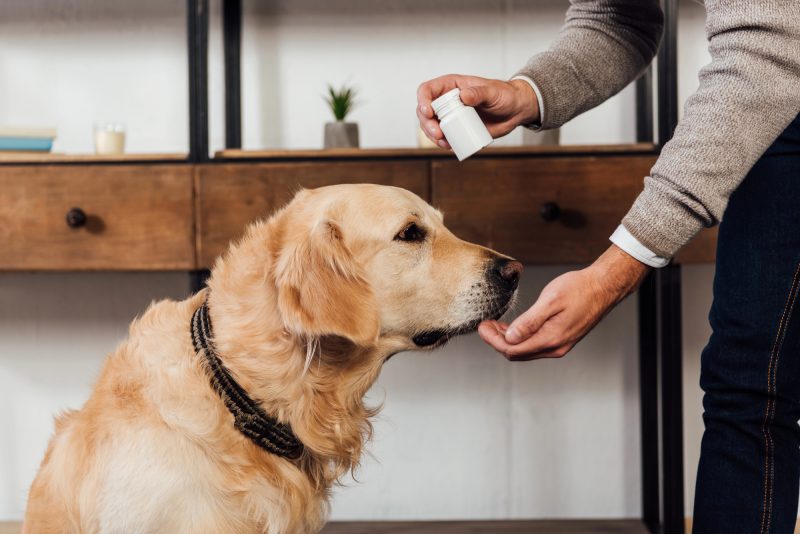
Itching in dogs can start as a small annoyance, and turn into constant tratching, licking and rubbing which can leave their skin irritated and sore. Itches for dogs aren’t usually…

*Links marked with asterisks are affiliate links, these help Ree with running costs of the blog

Priced at

Living Proof is a brand I have relied on for years when it comes to high‑performance styling products, and their Style Lab range is all about giving you pro‑level results without compromising on hair condition or movement. I finally got my hands on the Living Proof Style Lab Flex Hairspray and it has quickly become a staple in my heat‑styling routine.
This isn’t a new launch, but it’s a product I’ve wanted to try for ages. I’d heard so many good things about it, especially for heat styling, but it always seemed to be sold out whenever I looked. Now I’ve finally been able to test it properly, I can absolutely see why it’s so popular.
If you’re searching for a flexible hairspray with heat protection that actually helps styles last (without crunch), this one is definitely worth your attention.

The Living Proof Style Lab Flex Hairspray is a multi‑tasking, medium‑hold hairspray designed to be used both before and after heat styling. Unlike traditional hairsprays that are purely for finishing, this formula works as a styling primer, helping to enhance hold, shape and longevity when using hot tools.
The key promise here is flexible control – hair should stay in place while still feeling soft, touchable and natural.
Here’s what Living Proof says this hairspray can do:
On paper, it ticks a lot of boxes – especially if you heat style regularly.
I tend to use the Style Lab Flex Hairspray in two ways:
This is where it really shines for me. I lightly mist it through dry hair before using curling tongs or a straightener. It gives the hair a bit of grip, which makes a huge difference to how well curls and waves hold. This noticeably extends the life of curls and movement without making hair feel coated or heavy.
I’ve been using it a lot when styling my hair with the BaByliss Style Secret Air, which I’ve reviewed here on ReallyRee, and it makes a noticeable difference to how well the curls and waves hold. The combination of warm air, airflow and this hairspray means my styles have more grip and last much longer than with just a heat protectant alone.
After styling, I use a light mist to set everything in place. What I love is that hair never feels stiff – you can still run your fingers through it, and it keeps that soft, modern finish rather than a “done” look.

This is always my biggest question with hairspray, and I’m happy to report that it doesn’t.
The finish is:
Instead, hair feels flexible and natural, which makes it ideal if you like movement or want to restyle throughout the day.
One of the biggest selling points of this product is that it offers heat protection, making it a great option if you regularly use hot tools.
What I particularly like is that it doesn’t feel like a traditional heat protectant spray, which can sometimes weigh hair down or feel greasy. This one is light, fine and evenly distributed, and it genuinely helps styles hold their shape for longer.
If you’re looking for a high‑performance hairspray for heat styling, this really delivers.
It layers well and doesn’t build up in a way that makes hair feel dull or overloaded.
I’d particularly recommend the Living Proof Style Lab Flex Hairspray if:
It works well across hair types, but I think fine to medium hair will especially appreciate the flexible hold.
Yes. This hairspray offers heat protection, which makes it ideal to use before curling, straightening or blow-drying. It works particularly well as a priming spray before hot tools, helping styles hold their shape for longer while protecting the hair.
No. One of the standout features of this product is that it never leaves hair crispy, sticky or stiff. The hold is flexible and brushable, so hair still feels soft and natural.
Yes. It can be used on both damp and dry hair, which makes it very versatile. I personally prefer it on dry hair before heat styling, but it also works well layered into damp hair before blow-drying.
Yes. The mist is very fine and lightweight, so it doesn’t weigh hair down. Fine to medium hair types will particularly appreciate the flexible hold and natural finish.
At the heart of the formula is Living Proof’s Flexible Web Technology which is a blend of firm and flexible polymers. This technology allows the hairspray to be used on damp or dry hair, delivering multi-styling benefits while maintaining a medium, flexible hold.
What this means in real terms is better shape memory when heat styling, improved longevity of curls and waves, and hair that still feels natural and touchable.
The formula also contains a conditioning emollient, which helps to soften the hair and prevent that dry, coated feeling that traditional hairsprays can leave behind. This is key to why the finish stays flexible rather than stiff.
Vitamin B5 (Panthenol) helps support hair condition by adding light hydration and enhancing shine, so hair looks healthy even after heat styling and setting.
As with most hairsprays, alcohol is present to allow the product to dry quickly and evenly, but the overall balance of the formula helps prevent hair from feeling dry or brittle.
It is available online now for £27 for 246ml via the links below:
The Living Proof Style Lab Flex Hairspray is one of those products that quietly becomes essential. It’s not about dramatic hold or extreme styling but I think it’s about making your hair behave better.
For me, it’s the combination of heat protection, enhanced style longevity and flexible finish that makes it stand out. If you want your curls and waves to last without sacrificing softness, this is an excellent option.
A really solid choice if you’re looking for a flexible hairspray with heat protection that actually works.
SIGN UP TO MY FACEBOOK GROUP FOR BEAUTY RECOMMENDATIONS, FAVOURITE PRODUCTS & FRIENDLY CHAT


Connect with attendees in engineering and technology across all career stages at WE Local conferences held in just seven select cities around the world.
Source

How the SWE Ignite Leadership Program helped me rebuild confidence and grow.
Source