What Happens When You Put Castor Oil On Your Eyelashes?

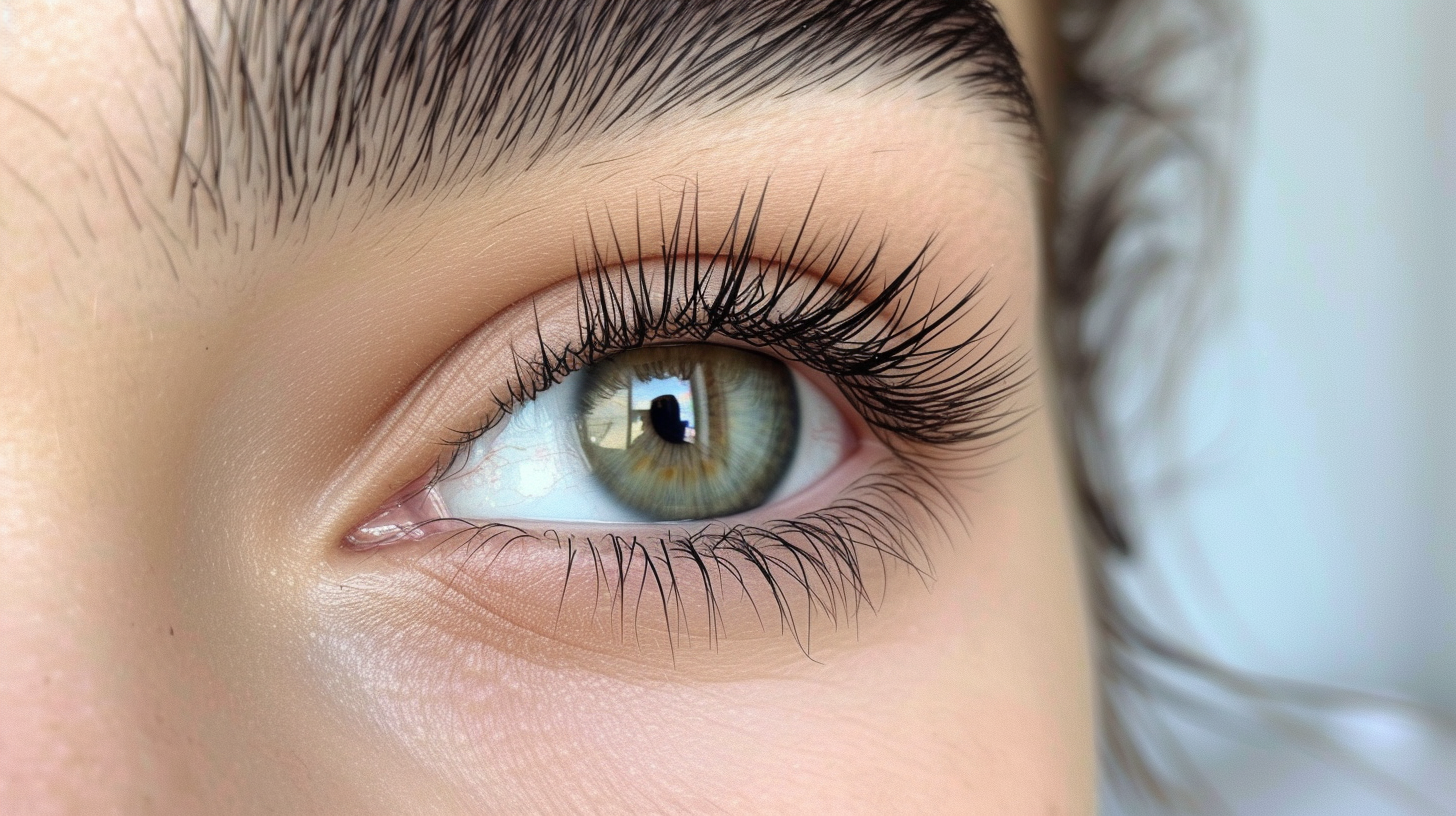
Just as Cleopatra supposedly used castor oil to enhance her eyes, you might be considering this natural remedy for longer, thicker eyelashes.

When you brush castor oil onto your lashes, you’re diving into a centuries-old beauty ritual, but what really happens after that application?

The science behind castor oil suggests potential benefits, including nourishment and growth, but it’s not without its cautions.

Understanding the correct method of application, the risks involved, and hearing from those who’ve tried it themselves could significantly influence your decision.

Let’s explore this age-old beauty secret and discern if it’s the right choice for your eyelash goals.
What Happens When You Put Castor Oil On Your Eyelashes?

The Science of Castor Oil

What makes castor oil a go-to for eyelash care? It’s all in its unique chemical composition and versatility, which isn’t just limited to beauty regimens but extends to various industrial uses as well.

Extracted from the seeds of the castor oil plant, Ricinus communis, this oil is rich in ricinoleic acid, a type of fatty acid that plays a significant role in its widespread application.

You might wonder how something used in industries could also benefit your eyelashes.

The key lies in understanding that the chemical composition of castor oil is what makes it so versatile. In industrial settings, castor oil is prized for its lubricating properties, making it an essential component in the production of lubricants, hydraulic and brake fluids, and even within manufacturing processes as a mold inhibitor.

However, when it comes to personal care, this same chemical composition—particularly the high concentration of ricinoleic acid—provides a different set of benefits.

While we’re steering clear of discussing its direct effects on eyelashes for now, it’s crucial to grasp that the properties making it valuable in heavy machinery also play a role in its application to delicate areas like your eyelashes.

Understanding the science behind castor oil helps demystify its popularity in both industrial and cosmetic fields. It’s this blend of scientific intrigue and practical application that has cemented castor oil’s reputation as a versatile and beneficial oil, not just for machines but for enhancing natural beauty as well.

What Happens When You Put Castor Oil On Your Eyelashes?

You’ve learned about the science behind castor oil.

Now let’s explore what it can do for your eyelashes.

Applying it might enhance lash growth and strengthen lash fibers, giving you the fuller, healthier lashes you’re after.

These potential benefits make castor oil an intriguing option for your beauty routine.

Enhances Lash Growth

Over time, applying castor oil to your eyelashes can significantly enhance their growth, offering a natural way to achieve fuller, longer lashes.

You might be surprised how much your lash growth is influenced by various factors and how castor oil can make a difference. Here’s how:

  1. Genetic factors: Your genes play a significant role in determining the length and thickness of your eyelashes. Castor oil can help overcome genetic limitations by nourishing and encouraging growth.
  2. Mascara impact: Frequent mascara use can weaken and damage your lashes. Castor oil provides essential nutrients to counteract this damage.
  3. Natural solution: Unlike chemical-laden growth serums, castor oil offers a gentler, natural alternative that’s less likely to irritate your eyes or eyelids.

making your eyelashes more resilient against breakage

Strengthens Lash Fibers

In addition to promoting growth, castor oil also significantly strengthens lash fibers, making your eyelashes more resilient against breakage.

This effect is akin to hair conditioning treatments that improve hair texture and strength. Just as you’d use a conditioner to keep your hair healthy and strong, applying castor oil to your lashes can offer similar benefits.

It’s not just about enhancing what’s visible; it’s about fortifying from the root to the tip. Moreover, this strengthening property isn’t limited to your lashes.

When applied to the cuticles, castor oil can also aid in nail strengthening. This dual-purpose use makes it a versatile addition to your beauty routine, ensuring both your lashes and nails aren’t only beautiful but also strong and healthy.

How to Apply Correctly

Before you start, you’ll need to cleanse your face thoroughly to ensure your eyelashes are free of any residue.

Next, I’ll walk you through some application technique tips to get the most out of your castor oil.

Cleanse Face Thoroughly

To ensure the best results from applying castor oil to your eyelashes, you must first thoroughly cleanse your face.

This preparatory step is crucial for both makeup removal and skin hydration, setting the stage for the oil to work its magic.

Here’s how you should go about it:

  1. Use a gentle makeup remover: Opt for a product that can dissolve even the most stubborn waterproof mascara without stripping your skin of its natural oils.
  2. Wash your face with a mild cleanser: After removing makeup, cleanse your face to get rid of any residual impurities. This helps in preventing clogged pores.
  3. Pat your skin dry and moisturize: Before applying castor oil, ensure your face is dry. Then, apply a light moisturizer to keep your skin hydrated.

Application Technique Tips

Having prepared your face properly, let’s focus on how you can apply castor oil to your eyelashes correctly.

The key to a successful application lies in brush selection. Opt for a clean, small eyeliner or mascara brush that allows for precise, controlled application. Dip the brush lightly into the castor oil, wiping off any excess to avoid dripping.

Starting from the base, gently brush the oil along your upper and lower lashes, similar to applying mascara. Making this a nightly routine before bed gives the oil ample time to work its magic while you sleep.

Safety and Precautions

Although applying castor oil to your eyelashes can enhance their appearance, it’s essential to prioritize safety to prevent any potential irritation or harm to your eyes. Here’s how you can apply castor oil safely:

  1. Allergy Testing: Before you start, dab a small amount of castor oil on your wrist or behind your ear. Wait for 24 hours to check for any allergic reactions. This step is crucial to ensure your skin tolerates the oil.
  2. Product Purity: Always opt for 100% pure, cold-pressed, hexane-free castor oil. This ensures you’re applying a high-quality product without harmful additives.
  3. Clean Application: Use a clean eyelash brush or a cotton swab for application. Avoid dipping the same tool back into the oil after it’s touched your lashes to maintain product purity.

castor oil is often praised for its potential benefits

Side Effects and Risks

While castor oil is often praised for its potential benefits, it’s important to be aware of possible side effects and risks when applying it to your eyelashes.

One major concern involves allergic reactions. If you’re not sure about your skin’s sensitivity, it’s essential to perform a patch test before fully incorporating castor oil into your beauty routine.

Signs of an allergic reaction can include redness, itching, or swelling around the eyes.

Improper dosage can lead to issues as well. Applying too much castor oil not only makes for a messy experience but can also increase the risk of it getting into your eyes, potentially causing irritation or vision disturbances.

To help you navigate these risks, here’s a quick guide:

Side Effect Description
Allergic Reactions Manifests as redness, itching, or swelling. Always perform a patch test.
Eye Irritation Excess oil can enter your eyes, leading to discomfort or blurry vision.
Blocked Glands Overuse might block the delicate oil glands around your eyelids.

Real User Experiences

Understanding the potential side effects of castor oil on eyelashes, let’s explore what actual users have to say about their experiences.

Many have turned to this natural remedy in hopes of achieving longer, fuller lashes, but the outcomes have been mixed. Here are three key takeaways:

  1. Allergy Tests Are Crucial: Before diving in, savvy users recommend conducting an allergy test. A small dab of castor oil on the skin can reveal any adverse reactions before application near the sensitive eye area. Some users discovered they were allergic to castor oil through this precautionary step, avoiding potential irritation or more severe allergic reactions.
  2. Varied Results: The majority of users report positive outcomes, noticing an improvement in the thickness and length of their eyelashes over several weeks of consistent use. However, a notable minority didn’t see any significant changes, highlighting the fact that effectiveness can vary widely from person to person.
  3. Makeup Interaction: Users who regularly wear makeup, especially mascara and eyeliner, have pointed out that castor oil can impact how these products apply and wear throughout the day. Some found that makeup didn’t adhere as well or smudged more easily when they’d castor oil on their lashes. Consequently, it’s advised to use castor oil at night, allowing it to fully absorb and avoid any makeup interaction.

Alternative Eyelash Treatments

For those seeking alternatives to castor oil for eyelash enhancement, numerous options are available, ranging from over-the-counter serums to professional treatments.

If you’re after instant results without the daily application hassle, eyelash extensions could be your go-to.

Applied by a professional, these extensions add volume and length, making your lashes look fuller and longer instantly. But, remember, they require maintenance and can be a bit pricey over time.

Now, if you’re not keen on the idea of someone messing with your natural lashes or if you’re wary of the upkeep, magnetic lashes are a game-changer.

They’re essentially false eyelashes that you can easily apply and remove yourself, thanks to tiny magnets.

You won’t need any glue, making them a fuss-free alternative that you can reuse multiple times. Plus, there’s a vast range of styles to choose from, so you can go as dramatic or as natural as you like.

Both these alternatives offer their unique benefits, but it’s crucial to weigh them against your lifestyle and preferences.

Eyelash extensions give you that ‘wake up ready’ look but need touch-ups every few weeks.

Magnetic lashes offer flexibility and ease of use, perfect for those who love to switch up their look or aren’t ready for a semi-permanent solution.

Whichever route you decide to take, you’ll find that achieving luscious lashes doesn’t always require bottles of serums or oils.

Conclusion

In conclusion, incorporating castor oil into your beauty regimen could be a game-changer for your eyelashes. Its rich nutrients may promote growth and thickness, providing you apply it correctly and cautiously. However, always be mindful of potential side effects and consult a professional if unsure.

While real users have shared promising results, remember alternatives exist if castor oil doesn’t suit you. Ultimately, finding what works best for your lashes takes experimentation and patience.

How To Dye Your Eyelashes

Interestingly, a survey found that over 60% of people believe that having darker eyelashes makes them look more attractive, which might explain the rising popularity of eyelash dyeing.

If you’re considering joining this trend, it’s crucial to choose the right dye and understand the process thoroughly to ensure the best results while maintaining the health of your lashes.

You’ll need to prepare your eyelashes properly, follow safety measures to protect your eyes, and learn the correct application technique.

Additionally, knowing how to care for your dyed lashes and troubleshoot common issues can significantly enhance your experience.

Stick around to uncover the essential steps and tips that can transform your lash game safely and effectively.

How To Dye Your Eyelashes

Choosing the Right Dye

Selecting the ideal eyelash dye involves finding a product that’s both safe for eye-area use and matches your desired shade.

When it comes to color selection, you’ve got a plethora of options, but not all are created equal.

You’re aiming for a hue that complements your natural beauty without overwhelming it.

If you’ve got lighter lashes, you might lean towards browns or soft blacks to keep things looking natural.

Darker lashes can go bolder with deep, intense blacks or even venture into colors if you’re feeling adventurous.

However, it’s not just about picking a pretty color. You’ve got to be vigilant about allergic reactions. Your eyes are sensitive, and the skin around them even more so.

It’s crucial to opt for dyes specifically formulated for eyelash use. These products are usually tested to be non-irritating and safe for the eye area. Still, everyone’s skin reacts differently, so what works for one person mightn’t for another.

Before you commit to a full application, it’s wise to perform a patch test. Apply a tiny amount of the dye on your inner arm or behind the ear. Wait 24 to 48 hours.

If there’s no sign of irritation, redness, or discomfort, you’re likely good to go.

Skipping this step could lead to unwelcome surprises, from mild irritation to severe allergic reactions.

Remember, safety first – you don’t want to gamble with your eye health for the sake of beauty.

Preparing Your Eyelashes

After ensuring you’ve chosen the right dye and conducted a patch test, it’s essential to properly prepare your eyelashes for the dyeing process.

Preparing your lashes not only ensures that the dye will take more evenly, but it can also help prevent any unnecessary irritation. Here’s how to get your lashes ready:

  1. Cleanse Your Eyelashes: Start by gently removing any makeup, oil, or dirt from your lashes. Use a mild, oil-free makeup remover to ensure that your eyelashes are completely clean. Oil-based removers can leave a residue that might interfere with the dye.
  2. Dry Your Lashes Thoroughly: After cleansing, pat your eyelashes dry with a soft, lint-free towel or let them air dry. It’s crucial that your lashes are completely dry before you apply the dye, as excess moisture can dilute the product, leading to uneven results.
  3. Apply Lash Conditioning Treatment: To ensure your lashes are in the best condition before dyeing, apply a small amount of lash conditioning treatment. This step is optional but recommended to keep your lashes healthy and to enhance the final look. Ensure the conditioner is fully absorbed and your lashes are dry before moving on.
  4. Prepare Removal Techniques: Have cotton swabs, a clean, damp cloth, or oil-free makeup remover pads ready for any corrections or to remove dye from the skin around your eyes. Practicing safe and effective removal techniques is key to achieving a clean, professional finish.

Safety Measures

When dyeing your eyelashes, it’s critical to prioritize safety to prevent any potential harm to your eyes or skin.

Diving into this process without proper knowledge or precautions can lead to serious issues, including allergic reactions or even damage to your eyesight.

Here’s what you need to know to keep yourself safe.

Before you even consider applying any dye, it’s essential to conduct a patch test. This simple step can save you from severe allergic reactions, ensuring the dye’s compatibility with your skin.

Apply a tiny amount of the dye to a discreet area of your skin, like behind your ear or on the inside of your elbow, and wait for at least 48 hours to observe any adverse reactions.

Step Reason Outcome
Conduct a patch test To check for allergic reactions Ensures dye compatibility
Wear protective gear To safeguard your eyes and surrounding skin area Prevents irritation
Seek professional consultation To ensure the dye and method are suitable Minimizes risk of harm

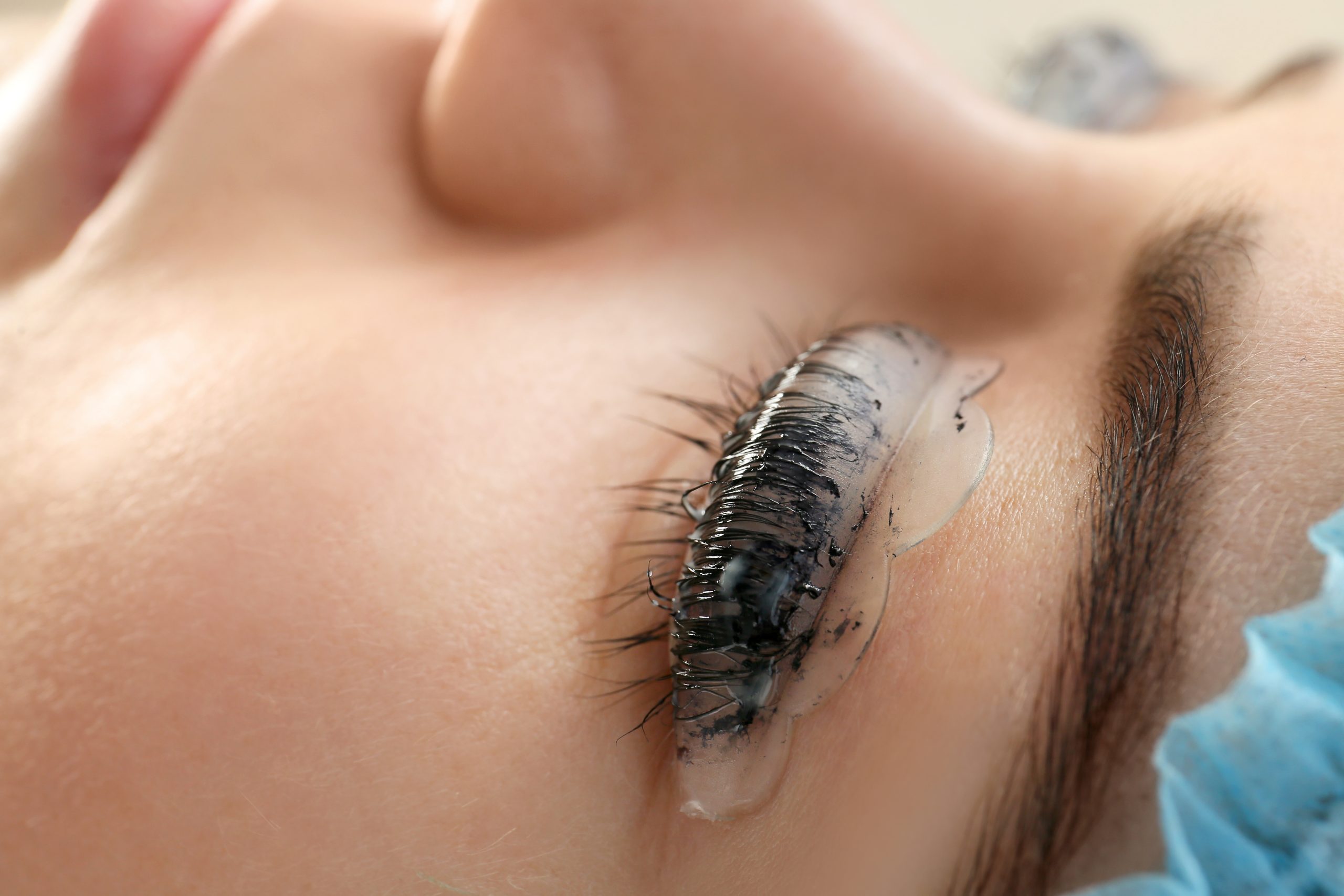
Wearing protective gear, such as eye patches or a protective cream around the eye area, is non-negotiable.

These precautions help in avoiding irritation or accidental dye contact with the eye, which can be extremely harmful.

Lastly, don’t underestimate the value of a professional consultation. A quick visit to a dermatologist or a professional beautician can provide insights into the safest dyes and methods for your specific needs.

They can offer tailored advice that internet tutorials simply can’t match. Remember, safety first always leads to a better outcome.

How To Dye Your Eyelashes

How To Dye Your Eyelashes

Now that you’re aware of the safety measures, let’s move on to how you’ll actually apply the dye to your eyelashes.

You’ll start by preparing your lashes, ensuring they’re clean and primed for the dye.

Then, we’ll guide you through applying the dye safely and finishing up with essential aftercare tips to maintain the look.

Preparing Your Lashes

Before applying dye to your eyelashes, it’s crucial to ensure they’re clean and free from any makeup or oils.

This step can’t be overstated; it’s the foundation for a successful dye job. Here’s how you’ll prep your lashes properly:

  1. Remove Makeup: Use a gentle makeup remover to ensure all mascara and liner are fully removed.
  2. Cleanse: Opt for a lash-specific cleanser or a mild, oil-free face wash to clean your lashes thoroughly.
  3. Dry: Gently pat your lashes dry with a soft, lint-free towel. They need to be completely dry before proceeding.
  4. Apply Growth Serums: If you’re using any lash growth serums, now’s the time to pause their application to avoid interfering with the dye.

Applying Dye Safely

Having prepared your lashes meticulously, it’s time to focus on the safe application of dye. The importance of a patch test can’t be overstated.

Before applying dye to your entire lash line, dab a small amount on your skin. Wait 24 hours to ensure there’s no adverse reaction.

This step is crucial for safeguarding your eyes against irritation or allergic reactions.

Seeking professional consultation is also wise. A professional can offer tailored advice, ensuring the dye suits your lash type and skin sensitivity.

They’ll guide you on how to apply the dye safely, minimizing risks. Remember, your eyes are delicate.

It’s better to be overly cautious than to face complications later. Safety should always be your top priority when dyeing your eyelashes.

Aftercare Tips

To maintain your newly dyed eyelashes, it’s crucial to follow a few aftercare steps. First off, let’s dive into moisturizing techniques and color longevity strategies.

Keeping your eyelashes moisturized is key to ensuring they look vibrant and healthy. Use a gentle, oil-free moisturizer to avoid any chemical reactions that might alter the color.

As for color longevity, avoid using harsh facial cleansers around your eyes, and opt for a gentle, dye-friendly option.

Aftercare is about protecting the investment you’ve made in your appearance. Here’s a quick guide to help you keep those lashes looking as good as the day you dyed them:

Aftercare Aspect Do’s Don’ts
Cleansing Use a gentle, oil-free cleanser around your eyes. Avoid harsh soaps or facial cleansers.
Moisturizing Apply a small amount of oil-free moisturizer to keep lashes soft. Don’t use oil-based products; they can strip the dye.
Makeup Application Wait at least 24 hours before applying eye makeup. Avoid waterproof mascara, as it requires harsh removers.
Touch-ups Schedule regular touch-ups based on your specialist’s advice. Don’t attempt to re-dye your lashes at home.

dyed eyelashes

Troubleshooting Common Issues

Despite your best efforts, you might encounter a few hiccups with your dyed eyelashes.

It’s not uncommon to face challenges after the dyeing process, but don’t worry, there’s always a solution.

Here are four common issues you might run into and how to troubleshoot them:

  1. Allergic Reactions: Sometimes, your skin mightn’t agree with the dye. If you notice itching, redness, or swelling, it’s crucial to remove the dye immediately. Rinse your eyes with plenty of water and consult a doctor if symptoms persist. To prevent this in the future, always perform a patch test before applying the dye.
  2. Color Fading: If you find your vibrant lashes losing their color too soon, consider the products you’re using around your eyes. Oil-based makeup removers and cleansers can cause color fading. Switch to gentle, oil-free alternatives and avoid rubbing your eyes to prolong the dye’s life.
  3. Uneven Color: Achieving an even color can be tricky. If you notice patches or unevenness, it may be due to improper application. Next time, ensure the dye covers every lash evenly and consider leaving it on for a slightly longer period in lighter areas.
  4. Irritation During Application: Experiencing a burning sensation during the process? This could mean the dye is too harsh for your skin or it’s getting into your eyes. Make sure you’re applying it carefully, avoiding the roots, and consider looking for a gentler dye formula.

Conclusion

In conclusion, dyeing your eyelashes can boost your look, but it’s crucial to pick the right dye and follow safety measures closely.

Always prepare your lashes properly, apply the dye carefully, and don’t forget the aftercare.

If you run into any issues, remember the troubleshooting tips. With patience and practice, you’ll master the technique and enjoy stunning lashes.

Remember, your eyes are precious, so proceed with caution and care to keep them safe and beautiful.

Does Vaseline Grow Your Eyelashes?

When you’re looking to give your eyelashes a bit of a nudge in the growth department, you might have heard whispers about Vaseline’s potential magic. You’re likely curious if this household staple can indeed turn the tide in your favor.

With its simple composition, Vaseline seems like an unlikely candidate for promoting lash growth. Yet, many swear by its effectiveness.

As you explore the interplay between Vaseline, the science behind hair growth, and anecdotal evidence, you’ll find intriguing perspectives that might change how you view this common product.

Does Vaseline Grow Your Eyelashes?

Understanding Eyelash Growth

To understand if Vaseline can influence eyelash growth, it’s essential to first grasp how your eyelashes naturally grow and renew themselves.

Your eyelashes go through cycles, much like the hair on your head. These cycles include growth, resting, and shedding phases.

The full cycle can take anywhere from five to eleven months, meaning your lashes are constantly in a state of renewal. This natural process is crucial for maintaining healthy, strong eyelashes.

You might be wondering about natural enhancers and their role in supporting this cycle. Good nutrition, for instance, plays a key role.

Foods rich in vitamins and proteins can support hair growth, including your lashes. Beyond diet, maintaining a clean and healthy eyelid margin is also vital.

This can help prevent blockages of the tiny follicles from which your lashes grow.

What Is Vaseline?

Before we explore if Vaseline can actually enhance your eyelash growth, let’s understand what it’s made of.

You’ll find that at its core, Vaseline is composed mostly of petroleum jelly, a substance known for its myriad of benefits.

This breakdown is crucial as it sets the stage for discussing how these ingredients might affect your eyelashes.

Vaseline Ingredients Breakdown

At its core, Vaseline is primarily composed of petroleum jelly, a blend of mineral oils and waxes.

This simple yet effective formula has a rich product history, dating back to its discovery in 1859. It was initially used to protect and heal skin wounds, but its uses have significantly expanded over time.

While it’s renowned for its moisturizing properties, you should be aware of potential skin reactions.

Although rare, some individuals may experience irritation or allergic reactions due to sensitivity to petroleum products. It’s crucial to test it on a small skin area before applying it extensively, especially around sensitive areas like your eyes.

Petroleum Jelly Benefits

Diving into the benefits of petroleum jelly, it’s clear that Vaseline’s simple formula packs a powerful punch in skin care.

Its primary function is moisture retention, which is crucial for keeping your skin hydrated and plump. But that’s not all; it also forms a barrier that provides skin protection against environmental factors.

Benefit Emotional Appeal
Moisture Retention Feel the softness, imagine your skin so hydrated, it glows with health.
Skin Protection Envision a shield, guarding your precious skin against harsh elements.

You’re not just applying a product; you’re giving your skin a drink of water and arming it with armor.

This dual-action makes Vaseline an indispensable ally in your skincare routine, ensuring your skin stays protected and hydrated.

Does Vaseline Grow Your Eyelashes?

Does Vaseline Grow Your Eyelashes?

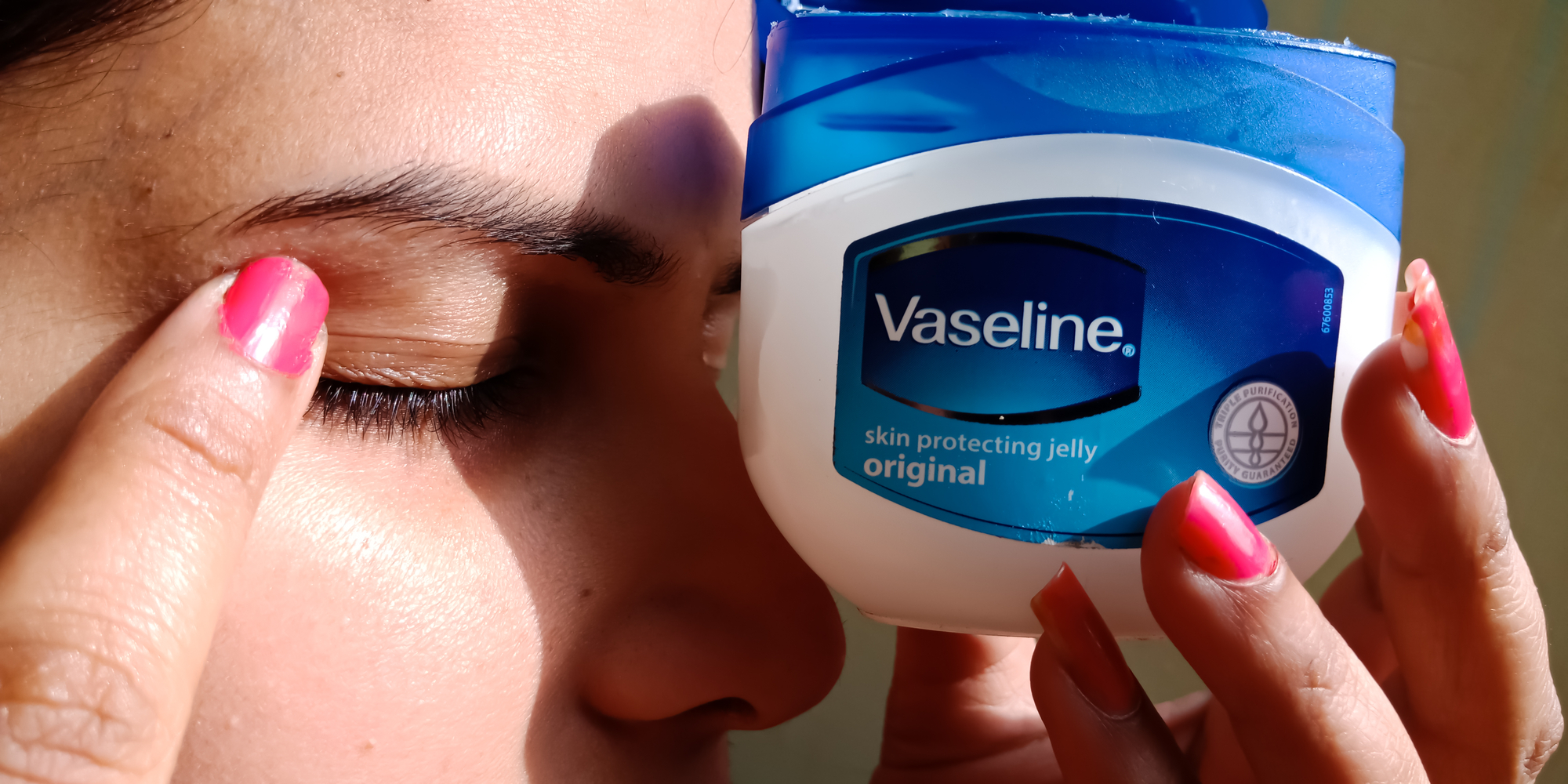
Vaseline, when applied to eyelashes, can create a fuller appearance by moisturizing and giving them a glossy sheen.

This simple, accessible product can be a game-changer in your beauty routine, but it’s crucial to understand how to use it properly to avoid any potential mishaps.

Good eyelash hygiene and the right application techniques are key to maximizing the benefits while minimizing any risks.

First off, ensure your eyelids and lashes are clean before applying Vaseline. This step prevents trapping any dirt or bacteria close to your eye, which could lead to infections.

A clean mascara wand or a cotton swab can be effective tools for application, allowing you to coat each lash evenly without getting the Vaseline too close to your eye.

Dab a small amount of Vaseline onto your tool of choice and gently apply it to your lashes.

Be careful not to use too much, as this can lead to greasy eyelids or even cause the Vaseline to get into your eyes, which might blur your vision temporarily.

Besides giving your lashes a fuller look, Vaseline acts as a barrier, protecting them from the harsh elements.

This can be particularly beneficial in cold or windy conditions when lashes can become dry and more prone to breaking.

Analyzing Scientific Evidence

When examining the scientific evidence, it’s crucial to note that no definitive studies directly link Vaseline application to increased eyelash growth.

This might seem disappointing if you’re hoping for a simple solution to achieve longer lashes. However, understanding the science can help you make informed decisions about your beauty routine.

Vaseline, or petroleum jelly, primarily acts as a barrier and moisturizer. It can create the appearance of glossier, slightly more prominent eyelashes by adding moisture, but it doesn’t affect the lashes’ growth rate or thickness.

Eyelash growth is largely determined by genetic factors, which Vaseline cannot alter.

Here’s a quick glance at what scientific exploration suggests versus popular beliefs:

Aspect Scientific Evidence
Growth Stimulation No direct link to increased growth
Moisturization Yes, provides moisture to lashes
Safety for Eyelashes Generally safe if used properly
Impact on Eyelash Extensions Not recommended; can weaken adhesive
Influence of Genetic Factors Primary determinant of lash length and thickness

It’s clear that while Vaseline can offer benefits like moisturization, it’s not a miracle solution for eyelash growth. If you’re interested in enhancing your eyelashes, options like eyelash extensions might be more effective, albeit more expensive and requiring professional application.

Always consider your unique situation, including any genetic factors that might influence your eyelash characteristics, before deciding on a beauty regimen.

Real User Experiences

Despite the lack of scientific evidence supporting eyelash growth, many users have shared their personal experiences with Vaseline, offering insights into its effectiveness and application.

You might find yourself intrigued by the plethora of anecdotal evidence suggesting that Vaseline can indeed make your lashes appear longer and fuller.

These stories often highlight specific application methods, emphasizing a light touch and the use of a clean mascara wand or cotton swab to avoid clumping and ensure even distribution.

You’re likely curious about the safety concerns associated with applying Vaseline near your eyes.

Those who’ve tried it caution against getting the product directly into the eye, as it can cause discomfort and blurred vision.

However, they also reassure that with careful application, using Vaseline on your eyelashes before bedtime can be a safe practice.

It’s important to keep your eyes closed until the Vaseline has settled to prevent any potential issues.

what does vaseline do your natural eyelashes

Alternatives to Vaseline

While many have explored the use of Vaseline for eyelash care, it’s worth considering other products that may offer similar or better benefits.

You’re likely searching for alternatives that provide nourishment and promote growth and strength for your lashes.

Here’s a look at some effective alternatives to Vaseline you might want to try:

  1. Natural Oils: These are a fantastic choice for those looking to steer clear of commercial products. Essential oils such as castor oil, coconut oil, and argan oil are highly praised for their ability to strengthen and lengthen eyelashes. They’re packed with vitamins and fatty acids that nourish the hair follicles, encouraging healthy growth.
  2. Eyelash Serums: Specifically formulated to promote lash growth, these serums contain peptides and natural extracts that stimulate the hair follicles. Eyelash serums are designed to provide the nutrients your lashes need to grow thicker and longer over time.
  3. Shea Butter: Known for its moisturizing properties, shea butter can be applied to your eyelashes before bed. Its natural vitamins and fatty acids work overnight to improve the strength and health of your lashes, making them less prone to breakage.
  4. Green Tea: A simple yet effective alternative. Soak a cotton pad in green tea and gently apply it to your lashes. The antioxidants and caffeine in green tea can stimulate lash growth and help maintain their health.

Incorporating these alternatives into your eyelash care routine can offer you the benefits you’re seeking without relying on Vaseline.

Each has its unique set of advantages, from natural oils that deeply nourish to eyelash serums specifically formulated to enhance growth.

Conclusion

So, does Vaseline actually make your eyelashes grow?

The truth is, it doesn’t directly stimulate growth. What Vaseline does is moisturize and protect your lashes, potentially reducing breakage and allowing them to reach their full length naturally.

While there’s no solid scientific evidence backing up claims of enhanced growth, many users swear by its benefits.

If you’re looking for a surefire way to lengthen lashes, you might want to explore other proven alternatives.

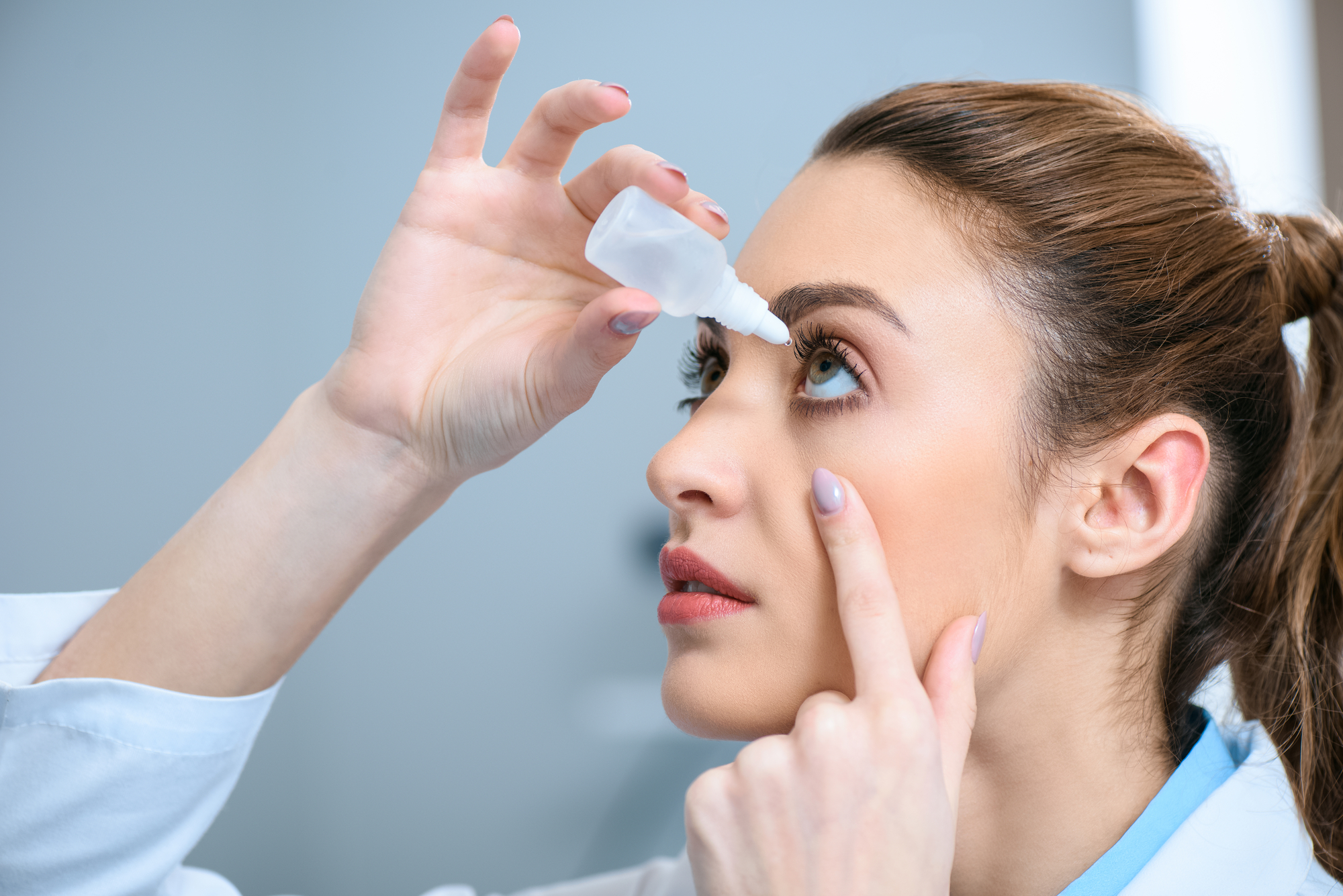
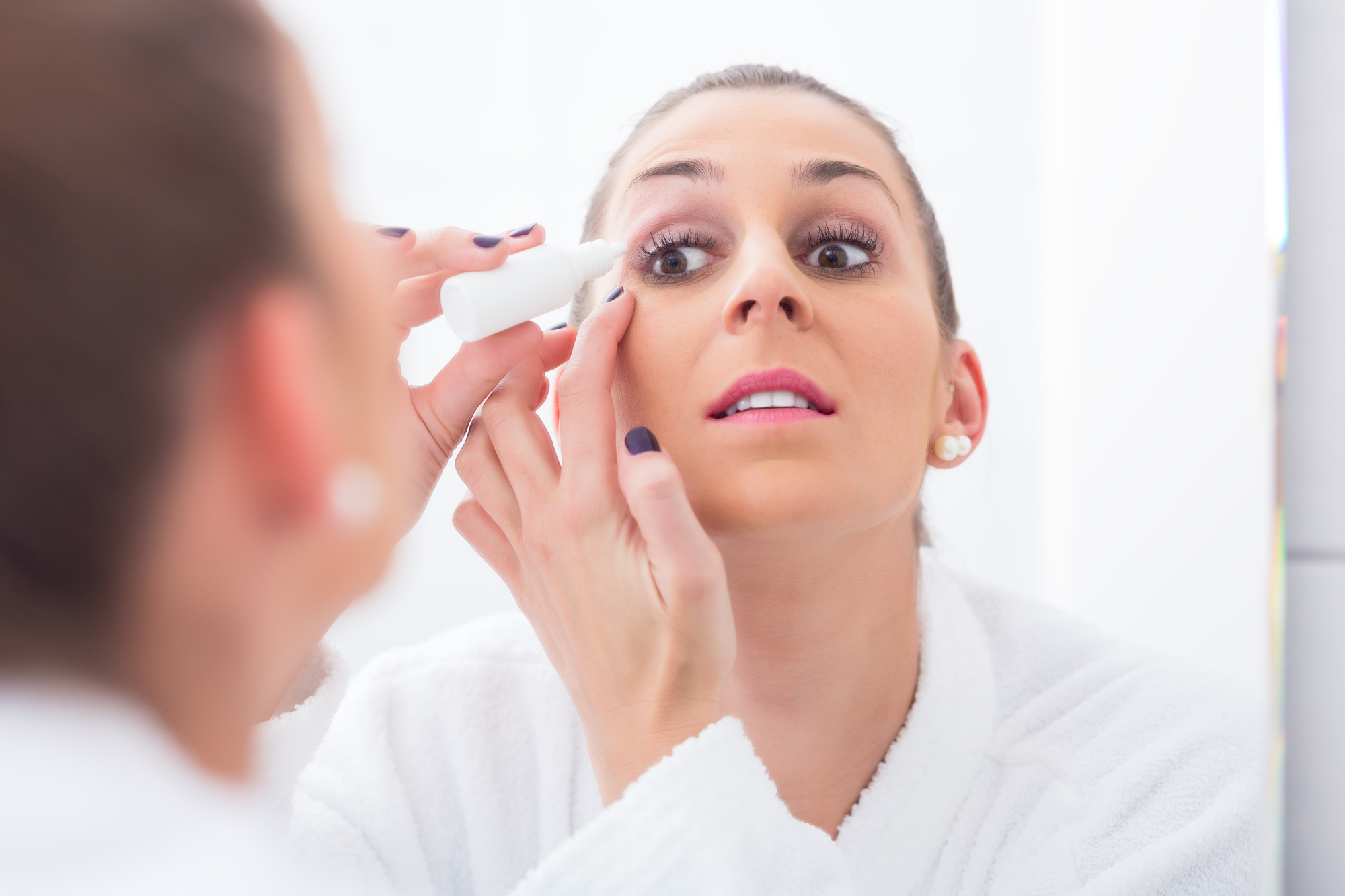
Do Eye Drops Grow Eyelashes?

Have you ever wondered if eye drops could be the secret to longer, fuller lashes? You’re not alone. Many people are turning to eye drops with hopes of enhancing their eyelash growth.

But before you add them to your beauty routine, it’s crucial to understand what’s behind this trend.

We’ll explore the active ingredients in eye drops that might contribute to lash growth, examine the scientific evidence, and weigh the potential side effects.

Plus, we’ll consider alternatives for those seeking to boost their lash game. Join us as we unravel the myths and truths surrounding this intriguing topic.

Do Eye Drops Grow Eyelashes?

Understanding Eyelash Growth

To grasp how eye drops might affect your eyelashes, it’s essential to first understand the natural process of eyelash growth.

Your lashes go through a lifecycle, much like the hair on your head, consisting of three phases: growth (anagen), transition (catagen), and resting (telogen).

During the growth phase, which lasts about 30 to 45 days, your eyelashes are actively growing.

They then enter a brief transition phase before moving into the resting phase, where they’ll eventually fall out to make way for new growth. This cycle ensures that your eyelashes maintain a certain length and density.

Genetic factors play a significant role in determining the length, color, and curliness of your eyelashes.

Just as you inherit your hair color and type from your parents, the same goes for your lashes.

These genetic predispositions set the baseline for your eyelash characteristics, including their growth cycle’s duration and the speed at which your lashes grow.

Do Eye Drops Grow Eyelashes?

Having understood the natural cycle and genetic influences on eyelash growth, let’s examine how eye drops might play a role in enhancing or affecting this process.

You might wonder how something primarily meant for your eyes can impact your eyelashes. The secret lies in the ingredients and how they interact with the lash follicles.

When it comes to application methods, precision is key. You’re aiming for minimal contact with the eye itself while ensuring the product reaches the base of the eyelashes.

This technique encourages direct absorption by the follicle, potentially accelerating growth.

Storage guidelines are equally important. Most eye drops require storage in a cool, dry place to maintain their efficacy. But, some might need refrigeration.

Always check the label to prevent compromising the product’s integrity.

Here’s a quick glance at what you need to remember:

Aspect Key Points
Application Methods Apply directly to lash base; avoid unnecessary eye contact
Storage Guidelines Follow label; usually, a cool, dry place or refrigeration

Understanding these elements ensures you’re applying the product correctly and preserving its potency.

While the specifics of how eye drops can foster eyelash growth will be detailed later, knowing the right way to handle and apply them sets a solid foundation for potential benefits.

Key Ingredients Analyzed

Now, let’s examine the active components that could make your eyelashes fuller and longer.

Bimatoprost has been linked to lash growth, while natural extracts may contribute to enhanced thickness.

We’ll also consider the safety and potential side effects of these ingredients.

Bimatoprost: Lash Growth

Among the key ingredients in lash growth products, bimatoprost stands out for its effectiveness in promoting longer, fuller eyelashes.

You’ve likely seen its transformative promises, but understanding its application methods and how it fits within cosmetic regulations is crucial.

Traditionally used in treating glaucoma, its lash-enhancing properties were discovered serendipitously. When applied directly to the lash line, bimatoprost targets the hair follicles, stimulating growth.

However, it’s not as simple as applying any eye drop. Specific applicators ensure the product is used safely and effectively, adhering to strict cosmetic regulations designed to protect consumers.

Natural Extracts: Enhanced Thickness

In the quest for thicker lashes, natural extracts like castor oil and vitamin E have emerged as key ingredients, offering a gentler alternative to chemical formulations.

Beyond their soothing properties, these ingredients are crucial in the lash-enhancing game. Here’s why you should consider them:

  1. Castor Oil: This thick oil is favored for its ability to moisturize and strengthen lash follicles, reducing breakage.
  2. Vitamin E: Known for its antioxidant properties, Vitamin E supports healthy hair growth, boosting lash thickness.
  3. Herbal Infusions: Green tea and other herbal extracts can stimulate lash growth due to their rich nutrient profiles.

the role of active ingredients in eyelash growth

Safety and Side Effects

While exploring the benefits of natural extracts for eyelash growth, it’s crucial to consider their safety and potential side effects.

Although these ingredients are natural, they’re not free from risks. You might be tempted to try DIY remedies, believing they’re safer than commercial products.

However, even natural ingredients can cause allergic reactions. These reactions can range from mild irritation to severe inflammation around your eyes.

It’s essential to patch test any substance before applying it to sensitive areas like your eyelids.

Scientific Evidence Reviewed

Now that you’re familiar with the key ingredients, let’s look at what the science says.

We’ll examine the results from clinical studies and analyze the role of active ingredients in eyelash growth.

This evidence will shed light on whether eye drops really can make your lashes longer and fuller.

Clinical Study Results

Numerous clinical studies have shown that certain eye drops can indeed promote eyelash growth, offering a blend of hope and innovation for those seeking longer lashes.

These findings are critical, especially when considering the treatment duration and placebo effect observed in the trials.

  1. Treatment Duration: Most studies indicate noticeable eyelash growth after consistent use for at least two months.
  2. Placebo Effect: In controlled studies, participants using placebo eye drops didn’t report significant eyelash growth, underscoring the efficacy of the active product.
  3. Participant Satisfaction: A vast majority of subjects reported satisfaction with the length and density of their eyelashes post-treatment, further validating the studies’ outcomes.

These results highlight the potential of eye drops as a viable solution for enhancing eyelash growth.

Active Ingredients Analysis

Diving into the science, let’s examine the active ingredients in eye drops that are proven to promote eyelash growth.

You’ll find that not only does the type of ingredient matter, but also how it’s sourced and produced. Ingredient sourcing and manufacturing processes play crucial roles in the effectiveness and safety of these products.

Ingredient Sourcing Quality Manufacturing Process
Bimatoprost High-grade Sterile, FDA-approved facilities
Peptides Ethically sourced Precision synthesis
Natural Oils Organic, sustainable farms Cold-pressed extraction

This table highlights the importance of choosing eye drops with well-sourced and properly manufactured active ingredients.

It’s not just about what’s in your eye drops, but how those components are brought together to ensure you’re getting a product that’s both safe and effective for eyelash growth.

Alternatives for Lash Enhancement

Potential Side Effects

While certain eye drops can promote eyelash growth, they may also lead to unexpected side effects.

You’re drawn to the allure of longer, fuller lashes, but it’s crucial to weigh the benefits against the potential drawbacks. Understanding what might happen can help you make an informed decision.

Among the side effects, allergic reactions top the list. You might think you’re doing everything right, but your body could have other ideas.

Allergic reactions are tricky; they can range from mild irritation to more severe, uncomfortable swelling or redness.

Much of this depends on your body’s sensitivity and how it perceives the active ingredients in these eye drops.

Application techniques also play a critical role. Incorrect application can lead to not just lack of results but also adverse effects. Here’s what you should be mindful of:

  1. Contact with Surfaces: Always ensure the dropper or applicator doesn’t touch any surfaces, including your skin, to avoid contamination that could lead to infections.
  2. Dosage Accuracy: More isn’t always better. Applying more than recommended can increase the risk of side effects without providing any additional benefits to your lashes.
  3. Consistency: Apply as directed, typically once a day. Inconsistent application can lead to uneven growth and increase the likelihood of experiencing side effects.

Alternatives for Lash Enhancement

If you’re concerned about the potential side effects of eyelash-enhancing eye drops, you might want to explore other methods to boost lash volume and length.

Fortunately, there are several safe and effective alternatives that don’t involve any form of medication.

Lash extensions are a popular choice for those looking for an immediate transformation.

Applied by a professional, these extensions can give you longer, fuller lashes without the daily hassle of mascara or the long-term commitment of serums.

They’re customizable, meaning you can choose the length, curl, and even color that best suits your look.

However, it’s important to go to a reputable technician to minimize the risk of eye infections or allergic reactions.

Mascara alternatives also offer a non-invasive way to enhance your lashes.

Fiber mascaras, for instance, contain tiny fibers that adhere to your natural lashes, creating the illusion of incredible length and volume with just a few swipes.

They’re easy to apply and remove, making them a convenient option for daily use. Waterproof formulas also ensure your lashes look great all day, regardless of the weather or your activities.

For those seeking a more natural approach, nourishing oils like castor oil can condition and strengthen lashes over time, potentially promoting natural growth.

This method requires patience, as results aren’t immediate, but it’s an affordable and low-risk option worth considering.

Conclusion

Certainly, some eye drops can indeed enhance your eyelash growth, thanks to key ingredients like bimatoprost. Scientific evidence supports their effectiveness, but it’s crucial to be aware of potential side effects.

If you’re hesitant about using these eye drops, don’t worry; there are plenty of other ways to boost your lash game. Always weigh the pros and cons and consider consulting a professional to find the best option for your lashes.

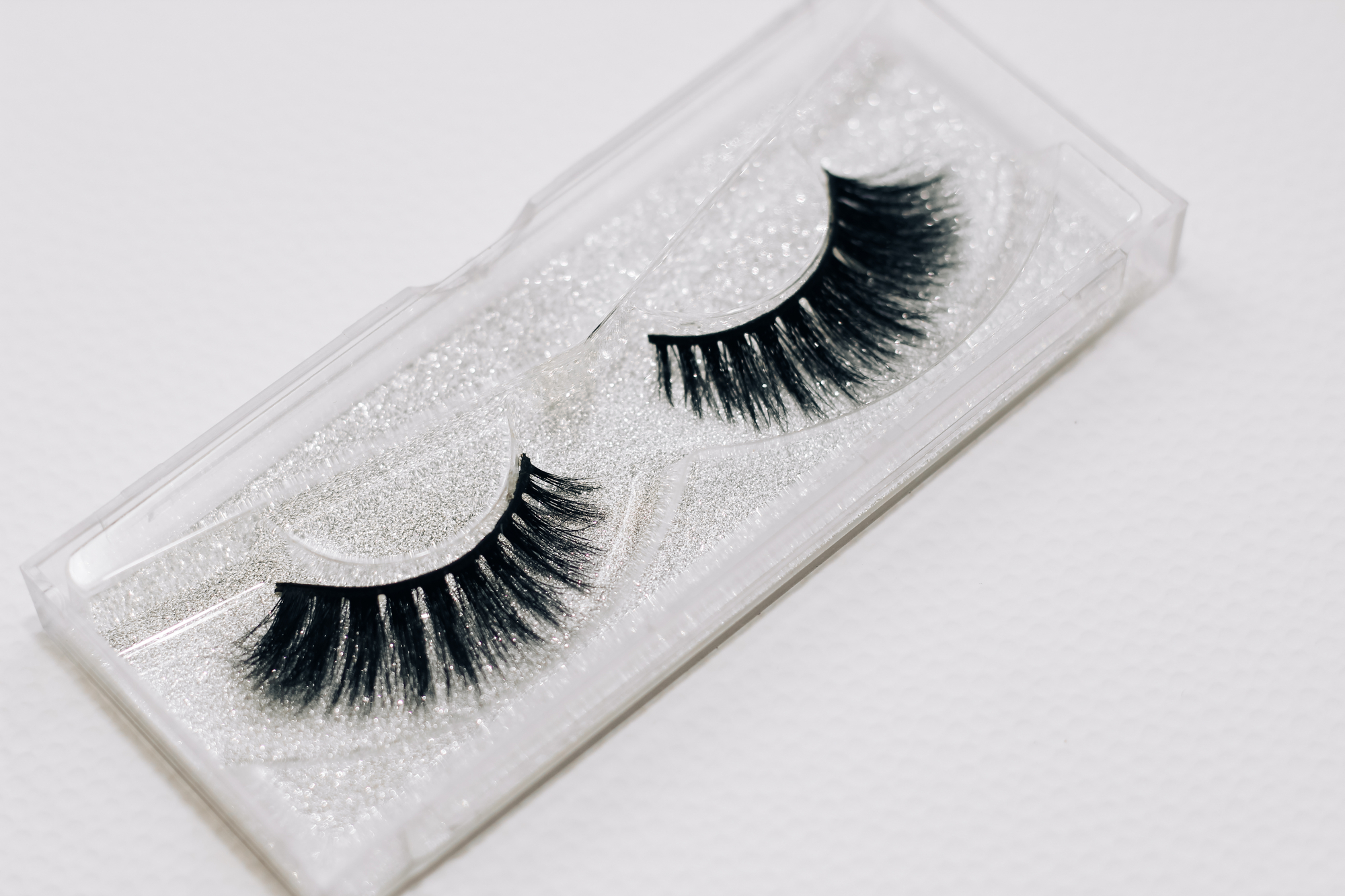
Can You Reuse Eyelashes?

Just as a caterpillar undergoes a transformation to become a butterfly, your false eyelashes can enjoy a second life with proper care.

You’ve likely pondered whether those delicate fringes that accentuate your eyes could be more than a one-night affair. The truth is, with the right knowledge on cleaning, removal, and storage, reusing your eyelashes isn’t just possible; it’s practical.

But how do you ensure they remain as fluttery and captivating as the first wear? Stick around, and you’ll discover the secrets to extending the life of your eyelashes, ensuring they remain your beauty staple for as long as possible.

Can You Reuse Eyelashes?

Understanding False Eyelash Types

Before diving into the possibility of reusing eyelashes, it’s crucial to understand the various types available, from synthetic to mink and everything in between.

The longevity and reusability of your lashes primarily depend on the eyelash materials they’re made of.

Synthetic lashes, for instance, are often less costly but mightn’t offer the same lifespan or natural look as their mink or silk counterparts.

Mink lashes, celebrated for their durability and natural appearance, can often be reused more times than synthetic ones, assuming you’re taking proper care of them.

When it comes to application tips, the way you apply and remove your lashes significantly affects their longevity. Always ensure you’re using a high-quality, lash-friendly adhesive; this makes a world of difference.

A thin, even layer of glue, applied to the lash band and allowed to become tacky before application, can prevent excessive wear and tear.

Using tweezers or a lash applicator rather than your fingers can help maintain the integrity of the lashes, preventing unnecessary strain or damage.

Cleaning Your Eyelashes Properly

Now that you’re familiar with eyelash types, it’s crucial to learn how to clean them properly to ensure their longevity.

We’ll explore gentle removal techniques, effective cleaning methods, and the best drying and storage tips to keep your lashes in top shape.

This knowledge wo extend the life of your lashes and maintain their beauty and effectiveness.

Gentle Removal Techniques

To ensure your reusable eyelashes last longer, it’s essential to master gentle removal techniques. If you’ve got skin sensitivity, choosing the right removal products is crucial.

Opt for ones designed for sensitive skin to avoid irritation. Here’s a quick guide to evoke the right emotions and actions:

Emotion Action Why?
Relief Gentle Pulling Prevents damage
Trust Choosing the Right Remover Ensures skin safety
Satisfaction Patience Preserves lash integrity

Effective Cleaning Methods

After removing your eyelashes gently, make sure you clean them properly to ensure their longevity.

Sanitization importance can’t be overstated, as it prevents the build-up of bacteria and extends the life of your lashes.

Disinfection solutions play a key role in this process. Here are the steps to clean your eyelashes effectively:

  • Use a cotton swab and alcohol-free makeup remover to gently wipe away any residual glue and makeup.
  • Rinse the lashes with a gentle, soap-free cleanser to remove any leftover remover and makeup.
  • Apply a mild disinfection solution specifically designed for eyelash extensions, to sanitize them without causing damage.

These steps help maintain the quality of your eyelashes, ensuring you can reuse them safely.

Drying and Storage Tips

Having cleaned your eyelashes effectively, it’s essential to dry and store them properly to maintain their shape and quality.

Lay them flat on a clean, dry surface away from direct sunlight, allowing air circulation without exposing them to dust.

Once dry, storing them in a case with humidity control is crucial. This prevents them from becoming too dry or absorbing excess moisture, which can distort their shape.

Be mindful of seasonal variations; during humid months, you might need silica gel packets in your storage case to combat extra moisture.

Conversely, in dry seasons, ensure your storage area isn’t overly arid, which could make the lashes brittle.

Proper drying and storage practices ensure your lashes stay pristine, ready for their next use.

Correct Eyelash Removal Techniques

Correct Eyelash Removal Techniques

Removing your eyelashes correctly can significantly extend their lifespan and maintain eye health.

The process isn’t complex, but it does require patience and the right approach to ensure you’re not harming your natural lashes or the falsies you’re hoping to reuse.

Proper removal starts with the choices you make even before application—primarily, adhesive selection and the use of aftercare products.

When it comes to taking off your lashes, follow these simple steps:

  • Gently loosen the adhesive: Use a cotton swab dipped in an oil-free makeup remover to gently dab along the lash line. This softens the adhesive without damaging the lashes or your skin. Avoid pulling or tugging at the lashes.
  • Peel from the outer edge: Carefully lift the outer corner of the lash band. Once you’ve got a good grip, slowly peel the lash off towards the inner corner. If you feel resistance, apply more makeup remover to ease the adhesive.
  • Clean and condition: Once removed, clean any residual adhesive from the lash band with tweezers or your fingertips. Then, apply a tiny amount of lash conditioner or oil to keep them soft and pliable for the next use.

Storing Eyelashes for Reuse

Once you’ve correctly removed and cleaned your false eyelashes, it’s crucial to store them properly to ensure they’re ready for their next use.

The key to prolonging the life of your lashes lies in understanding the importance of humidity control and temperature considerations during storage.

For starters, you’ll want to find a storage solution that keeps your lashes safe from excessive moisture.

Too much humidity can cause the lashes to become limp or, worse, promote the growth of bacteria. On the flip side, too little humidity can dry them out, making them brittle and prone to breaking.

A compact, airtight container is ideal for maintaining the right balance. If you’re serious about humidity control, consider investing in small silica gel packets to place inside the container, which will absorb any excess moisture.

Temperature considerations are equally crucial. Store your lashes in a cool, dry place away from direct sunlight and heat sources.

Excessive heat can warp the delicate fibers of your lashes, altering their shape and diminishing their quality.

A makeup drawer or a vanity cabinet typically provides an environment with stable temperature, shielding your lashes from the adverse effects of temperature fluctuations.

Can You Reuse Eyelashes?

As you continue using the same pair of eyelashes, you’ll start noticing signs that they’re wearing out. Lash loss and thinning become apparent, making them look less full and vibrant.

Additionally, glue buildup can make application difficult and affect the eyelashes’ overall appearance.

Lash Loss and Thinning

Your eyelashes’ appearance of thinning or lash loss can indicate they’re experiencing wear and tear.

This is a clear sign that it’s time to give them some extra care or consider retiring them for a new pair.

To combat this issue, you can explore:

  • Natural remedies: Applying oils like castor or coconut can nurture them back to health.
  • Nutritional support: Incorporating vitamins that promote hair growth, such as biotin or Vitamin E, can help.
  • Gentle handling: Avoid pulling or rubbing them harshly when applying or removing.

Tips for Maximizing Eyelash Lifespan

Glue Buildup Issues

Glue buildup on your eyelashes is a common sign they’re nearing the end of their lifespan. Regular cleaning helps, but sometimes, it’s just time for a new pair.

Sign Solution
Thick glue residue Gentle cleaning with recommended products.
Difficulty applying Consider replacing your eyelashes.
Irritation or discomfort Check for allergic reactions.
Visible wear and tear Time for a new set.

Tips for Maximizing Eyelash Lifespan

To maximize the lifespan of your eyelashes, it’s crucial to handle them gently during both application and removal.

This initial step is foundational, but there’s more you can do to ensure your lashes last as long as possible.

  • Hygienic Practices and Application Tips:

Maintaining cleanliness is paramount. Always wash your hands before handling your lashes or touching your eyes.

This prevents the transfer of dirt and oils, which can degrade the lashes and affect their adhesion.

When applying, use a high-quality adhesive and apply it sparingly on the lash band.

Too much glue can cause build-up, making the lashes harder to clean and shorten their lifespan.

Using a tweezer for application rather than your fingers can minimize the distortion of the lash’s shape.

  • Proper Cleaning and Storage:

After each use, carefully remove any adhesive residue from the lashes with a gentle, oil-free makeup remover.

This step helps maintain the integrity of the lash band. Storing your lashes in their original case or a dedicated lash box keeps them clean, safe, and maintains their shape for future use.

  • Avoid Mascara:

Applying mascara directly to your false lashes can shorten their lifespan significantly.

If you desire a more dramatic look, apply mascara to your natural lashes before putting on the falsies. This keeps them cleaner and extends their usability.

Conclusion

Absolutely, you can reuse your eyelashes, provided you’ve been taking good care of them. Remember, the key is in the cleaning, gentle removal, and proper storage.

Always keep an eye out for signs of wear and tear to ensure they’re still in tip-top shape. By following these simple tips, you’ll save money and keep your lash game strong.

So, don’t toss them out just yet—they’ve got more life in them than you think!