Can You Sleep With Fake Eyelashes On?

Sure, you can sleep with your fake eyelashes on, if you fancy waking up to a pillow that resembles a furry creature. But before you drift off dreaming of effortless glamour, consider the implications for your eye health and the lifespan of your lashes.

Sleeping in your falsies might seem like a time-saver, but it could cost you more in the long run. From the risk of infections to damaging your natural lashes, there’s a lot to weigh before closing your eyes on this question.

Can You Sleep With Fake Eyelashes On?

Can You Sleep With Fake Eyelashes On?

What’re fake eyelashes, and why have they become a staple in many people’s beauty routines?

Well, they’re synthetic fibers designed to mimic the natural eyelash, enhancing the eye’s appearance by adding volume, length, and definition.

Over the years, they’ve soared in popularity for their ability to elevate a look instantly, making them a go-to accessory for both daily wear and special occasions.

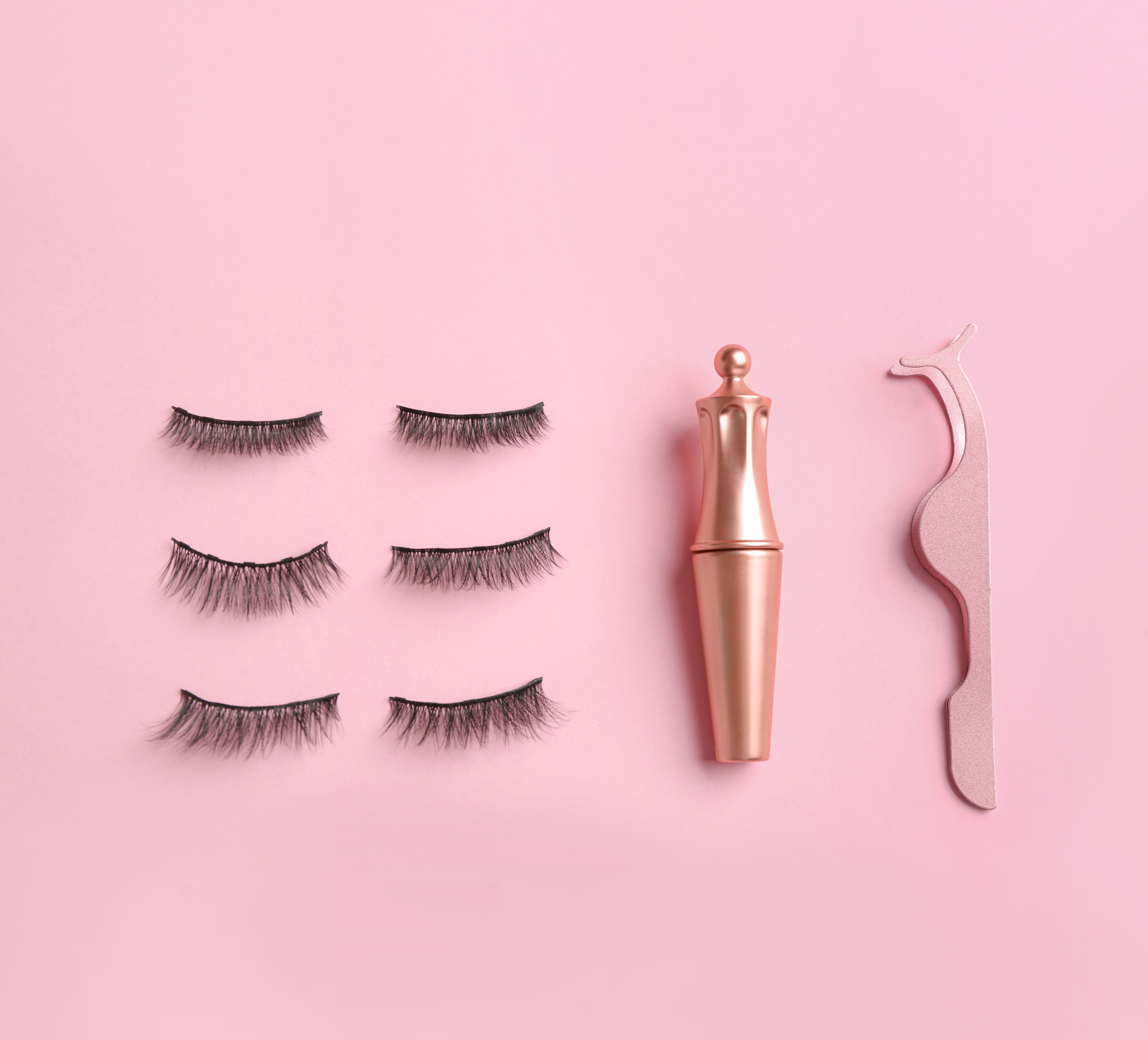
When you dive into the world of fake eyelashes, you’re met with a variety of lash types. There are strip lashes, which are the most common and come in a single piece to apply across your lash line.

Individual lashes offer a more customizable look, allowing you to add volume exactly where you need it. Magnetic lashes have also entered the scene, providing a no-glue-required application that’s reusable and easy to remove.

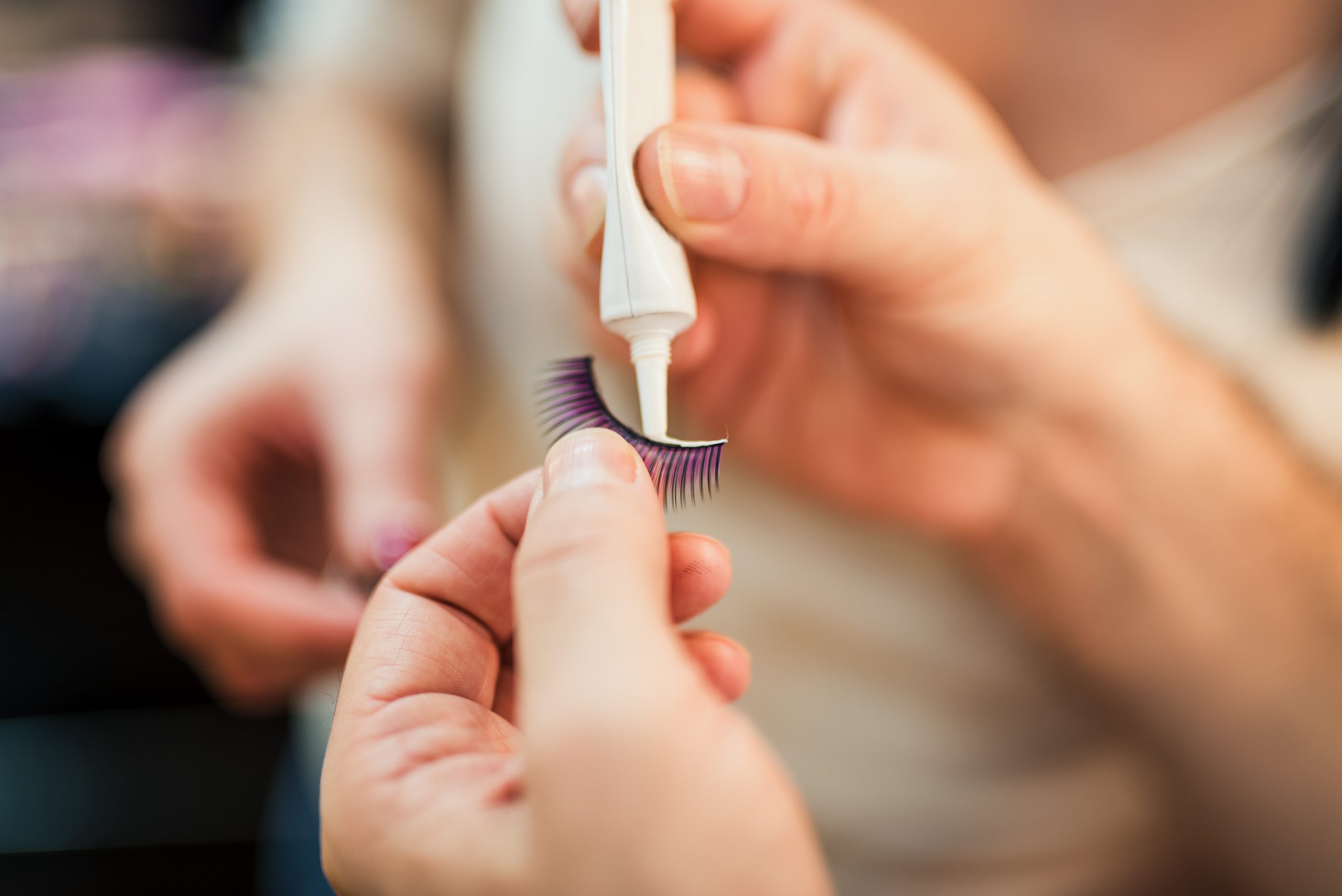
Speaking of application methods, they’re as varied as the lashes themselves. Traditional strip and individual lashes require a safe adhesive to secure them in place.

You’ve got to apply a thin layer of glue along the lash band of strip lashes or at the base of individual lashes, then wait a few seconds for it to become tacky before applying.

It’s a delicate process that takes practice to perfect. Magnetic lashes, on the other hand, use magnetic eyeliner to adhere to the lash line, simplifying the application and removal process.

Risks of Sleeping With Lashes

While understanding the basics of fake eyelashes is crucial, it’s equally important to recognize the potential risks associated with sleeping in them.

One significant concern is the possibility of allergic reactions. The adhesives used to secure fake lashes can contain ingredients that might irritate your skin or eyes, especially if they remain in contact for extended periods, like overnight.

You might wake up with redness, itchiness, or swelling around your eyes, which are clear indicators of an allergic response.

Sleeping with fake lashes can negatively impact your sleep quality. The sensation of having something attached to your eyelids might be uncomfortable for some, making it harder to fall asleep or causing you to wake up during the night.

If the lashes aren’t properly secured, they can shift or even come off, potentially getting into your eyes. This not only disrupts your sleep but can also lead to eye irritation or injury.

It’s also worth considering that sleeping with fake lashes on can put unnecessary strain on your natural lashes.

Continuous pressure or the weight of the extensions could weaken your natural lashes, leading to premature shedding or breakage.

While this aspect borders on eyelash health, it’s an indirect consequence of the discomfort and potential damage caused by wearing fake lashes to bed.

In essence, while fake eyelashes can elevate your look, wearing them to sleep introduces risks that could affect your eye health and the quality of your rest. It’s best to weigh these considerations carefully before deciding to keep them on overnight.

Eyelash Health Considerations

When you opt to sleep with fake eyelashes, you’re increasing your risk of infection, which could compromise your eye health.

There’s also the potential for damaging your natural lashes, leading to thinning or loss over time.

You might face the possibility of eye irritation, causing discomfort and redness.

Sleeping with fake eyelashes

Risk of Infection Increase

Sleeping with fake eyelashes can significantly increase your risk of eye infections due to bacteria build-up.

When you don’t remove your lashes before hitting the sack, you’re creating a perfect environment for bacteria to thrive, leading to potential infections.

Be aware of infection symptoms like redness, itchiness, and discharge, so you can act swiftly.

To mitigate these risks, follow preventive measures such as regularly cleaning your lashes and eyelid area. Here’s a quick guide:

Infection Symptoms Preventive Measures
Redness Regular cleaning
Itchiness Proper storage
Discharge Avoid overnight wear
Swelling Use quality products

Staying informed and proactive about your eyelash hygiene can help you enjoy the beauty of fake lashes without compromising your eye health.

Natural Lashes Damage Potential

Your natural lashes could suffer significant damage from prolonged wear of fake eyelashes, posing a risk to their health and vitality.

When you opt to sleep with these artificial enhancements, you’re not just risking temporary discomfort; you’re potentially compromising your lash strength.

The consistent pressure and weight of fake lashes can lead to weakened natural lashes, making them more susceptible to breakage.

This habit could interrupt the natural growth cycle of your lashes, leading to sparse areas or uneven lash length over time.

Consider the long-term effects that sleeping in fake eyelashes could have on the health and appearance of your natural lashes, as the desire for immediate aesthetic gains might result in lasting damage.

Eye Irritation Possibility

Beyond the risk to your natural lash strength, wearing fake eyelashes to bed can also lead to significant eye irritation.

This discomfort arises not just from the physical presence of the lashes against your skin, but also from potential allergic reactions.

The adhesives and materials used in some fake eyelashes contain chemicals that mightn’t agree with everyone’s skin, leading to itchiness, redness, and swelling.

If you’re a contact lens wearer, sleeping with fake lashes could exacerbate irritation.

The lashes can trap particles and dust, increasing the risk of eye infections or aggravating existing conditions.

Proper Lash Care Overnight

To maintain your falsies while you catch some Z’s, it’s crucial you figure out how to prevent lash damage.

Establishing a nighttime lash routine is your best bet.

Let’s explore how you can keep your lashes looking flawless, even in your sleep.

Avoiding Lash Damage

Maintaining the integrity of your fake eyelashes overnight requires specific care techniques.

First and foremost, understanding how lash adhesives and makeup interaction play a role in lash health is crucial.

You must ensure that the adhesive used is compatible with your skin and lashes to prevent any irritation or damage.

Similarly, sleeping with heavy eye makeup can compromise the bond between your natural lashes and the extensions, leading to premature fallout.

It’s not just about keeping them on; it’s about preserving their quality and your natural lash health.

Avoid rubbing your eyes or sleeping face down, as pressure and friction can weaken adhesive bonds and cause lashes to shed prematurely.

Nighttime Lash Routine

After understanding the importance of avoiding lash damage, let’s focus on how you can care for your fake eyelashes overnight with a proper nighttime lash routine.

Caring for your lashes as you sleep ensures they last longer and protects your natural lashes. Here’s how to do it:

  1. Apply Lash Serums: Gently apply a lash serum to your natural lashes before bed. This strengthens them and promotes growth, making your falsies sit better and look more natural.
  2. Choose the Right Pillow: Opt for silk or satin pillow types. These materials reduce friction and prevent your lashes from getting tangled or pulled out during the night.
  3. Gentle Cleansing: Before hitting the bed, ensure your lashes are clean and makeup-free to avoid any irritation or infections.

extended wear of fake eyelashes

Alternatives for Extended Wear

For those seeking alternatives to extended wear of fake eyelashes, several practical options are available that prioritize both eye health and beauty.

You’ve likely heard about lash extensions and magnetic lashes, but let’s dive deeper into what these and other alternatives offer.

Alternative Description
Lash Extensions Semi-permanent fibers attached to your natural lashes, offering a fuller look for weeks.
Magnetic Lashes Reusable lashes that attach to your eyelids with magnets, avoiding glue that can irritate eyes.
Lash Serum Enhances the natural growth and thickness of your lashes, offering a more natural solution.

Lash extensions are a popular choice for those desiring a semi-permanent solution. They eliminate the nightly hassle of applying and removing fake lashes.

However, they require professional application and regular fills, making them more of an investment in both time and money.

Magnetic lashes represent a newer technology in the world of eyelash enhancement.

They’re easy to apply and remove without any sticky residue, making them a great option for those seeking a less permanent and less damaging alternative to traditional glue-on lashes.

Lastly, investing in a good lash serum can naturally enhance the length and thickness of your eyelashes.

This option requires patience, as results are gradual, but it’s a fantastic way to achieve a fuller look without any artificial additions.

Expert Tips and Recommendations

Exploring alternatives to extended wear of fake eyelashes sets the stage for expert advice on achieving the best results with your chosen method.

Whether you’ve opted for temporary or semi-permanent lashes, understanding the do’s and don’ts can significantly enhance your experience and protect your natural lashes.

Firstly, it’s crucial to familiarize yourself with the recommended application methods and removal techniques.

Experts emphasize that the correct approach not only extends the lifespan of your fake lashes but also safeguards your eye health. Here are three key tips to keep in mind:

  1. Gentle Application: Always apply your lashes with care. Use a quality adhesive and wait for it to become tacky before attaching the lashes. This ensures a strong bond without the need for excessive pressure or reapplication, which can harm your natural lashes.
  2. Mindful Maintenance: While sleeping with fake eyelashes can be tempting, nightly maintenance is essential for longevity. Opt for a silk pillowcase to reduce friction and avoid rubbing your eyes. If you must sleep in them, consider lighter, more flexible lashes that mimic the natural lash line.
  3. Proper Removal: Utilize a dedicated lash adhesive remover or a gentle oil-based solution to ease the lashes off. Avoid pulling or tugging, which can lead to lash loss or damage. Instead, soak a cotton pad in the remover, hold it against your lash line for a few seconds, and gently wipe away the lashes.

Conclusion

While you might be tempted to fall into bed with your fake lashes still on, it’s not worth the risk. Your natural lash health is crucial, and improper care can lead to unnecessary damage.

Opt for proper overnight care or explore extended wear alternatives that won’t compromise your lashes’ health. Remember, a few minutes spent removing and caring for your lashes can save you from potential issues.

Heed expert advice and keep those peepers healthy and beautiful.

How Many Times Can You Reuse Eyelashes?

Navigating the world of reusable eyelashes is akin to walking a tightrope; you must strike the perfect balance between getting your money’s worth and ensuring your eyes’ health isn’t compromised.

You’ve likely wondered how many times you can wear the same pair before it’s time to say goodbye. Various factors, including material quality and your maintenance routine, play critical roles in their lifespan.

I’ll guide you through understanding these aspects, offering care tips to extend their usage, and recognizing the telltale signs that it’s time for a new set.

How Many Times Can You Reuse Eyelashes?

How Many Times Can You Reuse Eyelashes?

The durability and longevity of your lashes largely depend on two critical factors: the materials they’re made from and the methods you use to apply them.

Eyelash materials can vary widely, from synthetic fibers to natural hair like mink or silk. Generally, lashes made from higher quality materials tend to last longer.

Synthetic lashes, while more affordable, mightn’t withstand multiple uses as their natural counterparts do.

Mink and silk lashes, with proper care, can be reused several times, offering a blend of durability and a natural look. The choice of material not only affects how real the lashes look but also their potential lifespan.

The application methods you employ can either extend or reduce the lifespan of your eyelashes.

Using too much glue can damage the lashes’ structure, making them harder to clean and, therefore, less reusable.

On the flip side, gentle handling, precise glue application, and proper cleaning after each use can significantly prolong their life. It’s all about finding the right balance and being meticulous with both application and removal processes.

In essence, by selecting high-quality eyelash materials and adhering to proper application methods, you’re setting the stage for maximizing the use of your lashes without sacrificing their quality over time.

Keep these factors in mind, and you’ll surely get the most out of your eyelash investments.

Factors Affecting Reusability

Considering the importance of material quality and application method, it’s also crucial to explore other factors that impact how many times you can reuse your eyelashes.

The type of adhesive you use plays a pivotal role. A good-quality glue ensures a secure fit and minimizes damage when removing your lashes, thus preserving their integrity for future use.

Conversely, harsh adhesives can weaken the lash band and fibers, leading to early disposal.

How you handle your lashes during application and removal is equally important. Gentle handling and using the right tools can prevent unnecessary strain on the lashes, keeping them in prime condition for reuse.

Your skin’s oiliness is another aspect to consider. Excess oil can break down the adhesive quicker and affect the lashes’ material, reducing their lifespan.

Opting for oil-resistant glue and keeping your lash line clean can help mitigate this issue.

Finally, the environment you’re in matters. High humidity and exposure to elements like wind and water can wear down your lashes faster, making them less suitable for multiple uses.

  • The right adhesive ensures longevity and less damage.
  • Gentle handling preserves the delicate structure.
  • Managing skin oiliness keeps the lashes clean and intact.
  • Consideration of environmental factors protects them from premature wear.

maximize the lifespan of your eyelashes

Maintenance and Care Tips

Proper cleaning techniques are vital. After each use, gently remove any adhesive from your lashes with tweezers or your fingertips.

It’s important not to pull too hard to avoid damaging the delicate fibers. Next, using a cotton swab dipped in an oil-free makeup remover, carefully clean the band and lashes, wiping away mascara or any residual makeup.

This step not only ensures your lashes stay in pristine condition but also prevents potential eye infections.

Once your lashes are clean, letting them air dry on a clean towel is essential before storing them. Avoid using heat or rubbing them dry, as this can distort their shape or cause them to lose fibers.

Speaking of storage, investing in proper storage solutions is key to extending the wearability of your lashes.

Ideally, store them in the original case they came in or a dedicated lash box. These containers protect the lashes from dust, dirt, and getting crushed, maintaining their shape and integrity.

Ensure the area you store your lashes in is cool and dry, as moisture and heat can warp the band and degrade the quality of the lashes over time.

Signs It’s Time to Replace

Even with meticulous care, there comes a time when your eyelashes need replacing. It’s not just about maintaining their aesthetic appeal; it’s also crucial for your health.

Ignoring the signs can lead to infection risks and allergic reactions, turning your beauty routine into a nightmare.

Here are a few unmistakable signs:

  • The Band Loses Its Shape: Your lashes no longer sit comfortably or naturally on your eyelid, making application a frustrating ordeal. They’ve lost their curve, signaling it’s time for them to go.
  • Strands Start Falling Out: When you notice more lashes on your cheek than your eyelid, it’s a clear sign. Sparse lashes don’t offer the full, lush look you desire and can leave your eyes looking uneven.
  • Persistent Irritation: If your eyes become red, itchy, or uncomfortable shortly after applying your lashes, it mightn’t just be sensitive skin. Old lashes can harbor bacteria, increasing infection risks and allergic reactions.
  • Glue Buildup Becomes Unmanageable: Despite your best efforts to clean them, the glue refuses to budge, compromising the lash integrity and your look.

Don’t let attachment cloud your judgment. Recognizing these signs and acting promptly can save you from discomfort and keep your eyes healthy and beautiful.

extend the life of your eyelashes

Maximizing Eyelash Usage

With proper care, you can extend the life of your eyelashes, ensuring they remain in top condition for as long as possible.

The types of eyelash materials and the application techniques you use play pivotal roles in maximizing their usage.

Synthetic lashes, for instance, may not last as long as lashes made from mink or silk, but with gentle handling, they can still serve you well for multiple wears.

Clean your lashes after each use. Gently remove glue and makeup residue with a cotton swab dipped in a mild, oil-free makeup remover.

This prevents buildup, which can make the lashes stiff and prone to breaking. Always handle your lashes by the band, not the delicate strands, to avoid unnecessary tugging and pulling.

When applying your eyelashes, use a high-quality adhesive and apply it sparingly along the lash band. Excess glue not only makes the application messier but can also seep into the lashes, making them harder to clean.

Wait a few seconds for the glue to become tacky before placing the lashes. This technique ensures a secure fit, reducing the need for adjustments and the risk of damage.

Conclusion

In conclusion, with proper maintenance and care, you can extend the life of your eyelashes significantly.

Factors like the material and how you handle them play a big role in their longevity. By keeping them clean, storing them properly, and knowing when it’s time to let go, you’ll maximize their usage.

Remember, though, every pair has its limit. So, cherish your lashes, treat them well, and they’ll keep your eyes looking stunning for as long as possible.

Why Are Long Eyelashes Attractive?

Are you tired of feeling self-conscious about your short or sparse eyelashes? Do you long for fluttery, full lashes that make your eyes pop? You’re not alone.

Many people desire longer, thicker lashes as they are considered to be a sign of beauty and attractiveness.

But have you ever stopped to wonder why long eyelashes are so desirable?

In this blog post, I’ll share the science behind the appeal of long eyelashes and explore why they are such a sought-after feature.

Why Are Long Eyelashes Attractive?

Why Are Long Eyelashes Attractive?

Many factors influence whom you’re attracted to, and long eyelashes are surprisingly one of them. It’s not just about the aesthetic appeal; there’s a science behind it.

When you’re drawn to someone’s long eyelashes, it’s not merely a visual preference. It taps into deeper, subconscious processes, including pheromone theories and symmetry analysis.

Pheromone theories suggest that you’re not just seeing long eyelashes but also, possibly, sensing an unspoken biological signal.

Pheromones, the chemical messengers, play a significant role in attraction, and while it’s less direct, the presence of long eyelashes might signal health and fertility on a level you’re not consciously aware of. It’s like your body’s picking up on cues that your conscious mind isn’t.

Then, there’s symmetry analysis. You mightn’t realize it, but you’re constantly analyzing the symmetry of faces, and it’s a huge factor in attraction.

Long eyelashes can enhance the perceived symmetry of a face, making it more appealing to you.

They frame the eyes and, by providing a stark contrast or shadow, can make the eyes seem larger or more pronounced, which, in turn, enhances facial symmetry. This isn’t just about looking good; it’s about signaling genetic fitness and health.

Evolutionary Perspectives

From an evolutionary standpoint, long eyelashes have been perceived as a marker of health and genetic quality, influencing attraction on a primal level.

You might wonder how something as simple as eyelashes plays into our deep-seated instincts. Well, it’s not just about batting those lashes; it goes much deeper, tapping into our subconscious criteria for mate selection.

Long eyelashes have served more than just a decorative function throughout human evolution. They’ve been crucial in:

  • Enhancing eye protection: Acting as sensors that signal when objects, such as dust or insects, come too close to the eye, prompting a blink response.
  • Improving predator detection: Longer eyelashes can increase the eye’s field of vision, potentially improving an individual’s ability to detect predators or threats in the environment.
  • Signaling health and fertility: Thick, long lashes may be indicators of good health, suggesting that an individual has a strong immune system, which is a desirable trait in mate selection.

These factors contribute to the evolutionary basis of why long eyelashes are attractive.

They’re not just a modern beauty standard but have roots in our survival and reproductive success.

In essence, the allure of long eyelashes can be traced back to their role in enhancing survival through better predator detection and as an indicator of health, which is critical in mate selection.

Cultural Significance

In examining the allure of long eyelashes, you’ll find that their appeal isn’t just skin deep but woven into the fabric of culture itself.

Historical beauty standards have long celebrated them, while modern media continues to amplify their desirability across diverse global perceptions.

This exploration will uncover how these views have evolved and what they signify today.

Historical Beauty Standards

Throughout history, people have often viewed long eyelashes as a symbol of beauty across various cultures.

This perception isn’t just a coincidence; it’s deeply rooted in artistic influences, religious symbolism, and traditional societal norms.

Artists and sculptors often emphasized long eyelashes in their works, showcasing them as a marker of divine beauty or innocence.

Similarly, in various religions, long eyelashes have been associated with purity and spirituality, making them a desirable trait.

These historical contexts have shaped the way societies view long eyelashes, setting a foundation that associates them with attractiveness.

As you’ve seen, long eyelashes aren’t just a modern beauty trend; they carry a rich history that spans art, religion, and cultural standards, making their allure timeless.

Modern Media Influence

Modern media consistently amplifies the allure of long eyelashes, reinforcing their status as a symbol of beauty in today’s culture.

You see it everywhere, from glossy magazine covers to high-definition TV shows and influencer-led social media platforms.

Celebrity endorsements play a massive role in this phenomenon. When your favorite stars credit their dramatic looks to specific mascara brands or eyelash extensions, you’re more likely to follow suit, believing in the transformative power of longer lashes.

Advertising effects can’t be underestimated either. Marketers use sophisticated techniques to make eyelash-enhancing products seem essential for anyone seeking to meet the beauty standards of the moment.

Through carefully crafted messages and visually appealing presentations, they tap into the deep-seated desire for attractiveness, convincing you that longer lashes are a key component of the ideal look.

Why Are Long Eyelashes Attractive?

Global Perceptions Diversity

While modern media has a significant influence on the popularity of long eyelashes, cultural perceptions vary widely around the globe.

Despite a push towards aesthetic uniformity, regional preferences shine through, highlighting the diversity in what’s considered attractive.

  • In some cultures, long eyelashes are a symbol of femininity and beauty, often associated with youth and health.
  • Other regions might prioritize natural beauty, where less emphasis is placed on lash length and more on their natural appearance.
  • Certain societies view the enhancement of eyelashes through makeup or extensions as a form of self-expression, rather than strictly an attempt at attractiveness.

Health and Vitality Indicators

You’ve likely noticed how long eyelashes stand out as a sign of youthfulness and are often considered markers of good genetics.

These features aren’t just for show; they signal to others that you’re healthy and full of vitality.

Let’s explore how these traits can influence perceptions and why they’re valued across cultures.

Sign of Youthfulness

In the realm of physical attractiveness, long eyelashes are often hailed as a potent sign of youthfulness, reflecting underlying health and vitality.

They’re not just about the aesthetic appeal; they signal much more about your overall condition.

  • Facial symmetry: Long lashes add balance, enhancing your facial symmetry, a key indicator of youth and health.
  • Skin texture: They draw attention to the eyes, often making the surrounding skin appear smoother and more youthful.
  • Vibrant appearance: Long, full lashes give your eyes a wide-open look, associated with alertness and energy.

It’s fascinating how these small features can convey so much about your well-being and age, isn’t it?

Genetic Quality Markers

Exploring beyond the aesthetic appeal, long eyelashes also serve as markers of genetic quality, showcasing health and vitality.

This notion isn’t just about looking good; it’s deeply rooted in biology. Long lashes may signal your body’s resilience to environmental factors and a lower mutation occurrence rate, which prospective partners might unconsciously note as a sign of good genes.

Hormonal influences, too, play a crucial role in lash length, hinting at a balanced and healthy endocrine system.

Feature Significance Relation to Health
Long Eyelashes Genetic Quality High Vitality
Hormonal Influences Endocrine Balance Health Indicator
Mutation Occurrence Genetic Stability Lower Rates Preferred
Environmental Resilience Adaptability Sign of Robust Health
Aesthetic Appeal Attraction Factor Linked to Genetics

Psychological Impressions

Long eyelashes often leave a lasting impression, subtly influencing how others perceive your personality and attractiveness.

They’re not just a feature of physical beauty; they play a significant role in the psychological realm too.

When you have long, fluttering eyelashes, they’re not just seen; they’re felt by those around you, often on a subconscious level.

These delicate fringes around your eyes do more than accentuate your looks—they’re powerful tools for social signaling.

They can convey a range of emotions, from flirtatiousness to surprise, enhancing your communicative expressions.

This ability to express oneself more vividly can indirectly give you a confidence boost, making you feel more assured in social interactions. Your lashes, in essence, amplify your social presence, making you more memorable.

  • Social Signaling: Long eyelashes enhance your facial expressions, making your emotions more readable and your social signals clearer to others.
  • Confidence Boost: The beauty enhancement from long lashes can make you feel more attractive, thereby uplifting your self-esteem and confidence in both personal and professional settings.
  • Perceived Healthiness: Fuller and longer lashes are often unconsciously associated with youth and vitality, contributing to the perception of overall health and vigor.

In the realm of psychological impressions, your eyelashes are more than just eye decor.

They’re an integral part of how you present yourself to the world, influencing perceptions and interactions in subtle yet significant ways.

Why Are Long Eyelashes Attractive?

Beauty Trends Over Time

You’ve seen beauty trends come and go, but the fascination with long eyelashes has been a constant, albeit with its own set of variations.

In ancient Egypt, both men and women used kohl to darken their eyelashes, believing it offered protection against evil spirits.

This wasn’t just about aesthetics; it was intertwined with color symbolism, where darker shades were associated with power and mystery.

Fast forward to the Victorian era, and you’ll find women using homemade recipes to achieve fuller, longer lashes, highlighting the beginning of makeup evolution specifically aimed at enhancing eyelash prominence.

The 20th century marked a significant turn in makeup evolution with the invention of mascara, making long, voluminous eyelashes accessible to everyone.

The swinging ’60s then took it a step further, with models and actresses flaunting dramatic eyelashes, cementing the association of long lashes with the epitome of feminine beauty.

Today, you’re witnessing an unprecedented era in beauty trends, where eyelash extensions, serums, and various enhancements signify not just attractiveness but also personal expression.

The evolution from natural remedies to high-tech solutions reflects a broader cultural shift towards individualism and self-expression, where color symbolism still plays a role, but in a more nuanced way.

As you navigate through these changing beauty standards, remember, the allure of long eyelashes isn’t just a product of modern beauty trends but a centuries-old fascination that has adapted and evolved, reflecting society’s changing values and technological advancements.

Conclusion

In conclusion, you’re drawn to long eyelashes for more reasons than you might realize. From evolutionary cues highlighting health and fertility to cultural symbols of beauty, they’ve always had a significant role in attraction.

They signal vitality and can deeply influence first impressions, tapping into psychological associations with youth and beauty. Over time, beauty trends have evolved, but the allure of long lashes remains constant, showcasing their timeless appeal in the dance of human attraction.

Does Aquaphor Help Eyebrows Grow?

In the world of beauty and skincare, Aquaphor has been hailed as a jack-of-all-trades, but you might wonder if it can add the title of eyebrow growth champion to its repertoire.

Understanding the alchemy between this emollient and your brows requires a peek under the beauty counter and into the science of hair growth.

As you navigate the landscape of eyebrow care, you’ll find that expert insights and real user experiences paint a picture that’s not black and white.

Does Aquaphor Help Eyebrows Grow?

Does Aquaphor Help Eyebrows Grow?

What exactly is Aquaphor, and how does it fit into your skincare routine? At its core, Aquaphor is a multipurpose ointment designed to moisturize, heal, and protect your skin.

It’s a go-to for those dealing with dry, cracked skin or looking to enhance their skin’s natural barrier.

So, how does it slide into your regimen, especially when you’re eyeing those eyebrows of yours?

Diving into the Aquaphor ingredients, you’ll find a blend that’s simple yet effective. The key components include petrolatum, which forms a protective barrier on the skin, lanolin alcohol, which moisturizes, and glycerin, which draws water to the skin to help maintain moisture.

This trio works in harmony to not only lock in moisture but also to protect the skin from environmental stresses.

Now, let’s talk application techniques. When you’re focusing on your eyebrows, you’ll want to be precise.

Cleanse your face first, ensuring your eyebrows are free from makeup or other products.

Then, dab a tiny amount of Aquaphor onto your fingertip. Apply it gently over your eyebrows, making sure to coat each hair lightly. It’s that simple.

The ointment doesn’t need to be rinsed off; instead, it works its magic by staying on throughout the day or night, creating a moisture-rich environment that’s conducive to healthy skin.

Eyebrow Growth Basics

Eyebrows, like the hair on your scalp, go through a growth cycle that includes three phases: anagen (growth phase), catagen (transitional phase), and telogen (resting phase).

During the anagen phase, which lasts several weeks, your eyebrow hairs are actively growing. The catagen phase is a short transitional period when the hair stops growing and the follicle shrinks.

Finally, during the telogen phase, which can last several months, the hair rests. After this, the cycle restarts, and new hair begins to grow, pushing the old hair out.

Dietary nutrients also play a crucial role in eyebrow growth. Just like the rest of your body, your hair follicles need a variety of nutrients to produce healthy hair. These include proteins, vitamins, and minerals.

Here’s a quick overview of the eyebrow growth cycle and the importance of dietary nutrients:

Phase Duration Importance
Anagen Weeks Active growth phase, requires nutrients
Catagen Short Transition phase, follicle shrinks
Telogen Months Resting phase, old hair is pushed out

Aquaphor's Role in Eyebrow Care

Aquaphor’s Role in Eyebrow Care

Turning our focus to Aquaphor, it’s essential to understand how this popular ointment can play a significant role in your eyebrow care regimen.

Known primarily for its hydration benefits, Aquaphor acts as a protective barrier, locking in moisture that’s crucial for maintaining healthy, resilient brows.

The unique formula, which combines ingredients like glycerin and lanolin, helps to soothe and nurture your skin and hair follicles, creating an optimal environment for eyebrow maintenance and potentially aiding in their appearance.

The application method is key to reaping the maximum benefits without leaving your brows feeling overly greasy.

Start by cleansing your eyebrows and the surrounding skin to remove any makeup or impurities.

With clean fingers, apply a tiny amount of Aquaphor directly onto your eyebrows. It’s important to use a light touch; a thin layer is all you need to seal in moisture and protect the area.

You can do this at night before bed, allowing the ointment to work its magic as you sleep.

Expert Insights

Experts agree that incorporating Aquaphor into your eyebrow care routine can significantly enhance the health and appearance of your brows.

When you delve into the ingredient analysis, you’ll find that Aquaphor is packed with emollients and humectants.

These components are key to locking in moisture, which in turn, creates a conducive environment for eyebrow growth.

Understanding the application techniques is equally important. Experts recommend applying a thin layer of Aquaphor on your eyebrows overnight.

This prevents dryness and ensures that the sensitive skin around your brows is well-hydrated.

Remember, moderation is key; too much product can clog pores and lead to unwanted outcomes.

To make this information more enjoyable and relatable, here’s a quick overview:

Aspect Insight Why It Matters
Ingredient Analysis Aquaphor contains glycerin and lanolin. These ingredients promote moisture retention, which is crucial for healthy brow growth.
Application Techniques Apply a thin layer overnight. This ensures optimal absorption without clogging pores.
Consistency Use regularly for best results. Consistent care supports a healthy growth cycle for your brows.

Real User Experiences

Diving into real user experiences, you’ll discover how Aquaphor has transformed their eyebrow care routine.

Many have shared that incorporating Aquaphor into their daily skincare hasn’t only improved the overall condition of their eyebrows but has also contributed to noticeable growth.

You’ll find a variety of application methods praised by users, from applying a thin layer directly onto the eyebrows before bed to using it as a base under makeup to keep the skin hydrated throughout the day.

However, it’s not all smooth sailing. While many rave about the benefits, you’ll also encounter stories of individuals who’ve faced allergic reactions.

These reactions range from mild irritation to more severe redness and itching. It’s a stark reminder that what works wonders for one person’s eyebrows mightn’t suit another’s skin.

That’s why it’s crucial to patch test before fully integrating Aquaphor or any new product into your routine.

Users often emphasize the importance of consistency with Aquaphor application for seeing real results.

They note improvement in both the texture and appearance of their brows with continued use over several weeks.

Despite the occasional setback with allergic reactions, the overwhelming consensus is positive.

People love the simplicity of using a single product for multiple purposes, from eyebrow care to overall skin hydration.

Aquaphor mightn't directly make your eyebrows grow

Conclusion

In conclusion, while Aquaphor mightn’t directly make your eyebrows grow, it plays a crucial role in creating the perfect environment for growth. By moisturizing and protecting the skin around your brows, it encourages healthier hair follicles.

Experts agree on its benefits, and many users have noticed improved eyebrow condition. Remember, patience is key. Give it some time, and you might just see the fuller brows you’re hoping for, thanks to Aquaphor’s supportive care.

What Happens If You Have No Eyelashes?

Imagine your eyes without eyelashes, like a castle without walls, vulnerable to every invader. You’d find that without these tiny sentinels, your eyes become more sensitive to light and wind.

The risk of infections and the struggle to keep your eyes clean escalate, turning every blink into a battle against the elements. Your vision may also suffer, as eyelashes play a role in keeping the glare out of your eyes.

But how significant is this change in eye comfort and health? To grasp the full impact, let’s explore what truly lies behind the absence of these small but mighty protectors.

What Happens If You Have No Eyelashes?

What Happens If You Have No Eyelashes?

Without eyelashes, you’ll likely experience heightened sensitivity to light and airborne particles. This is because your lashes aren’t just there for looks; they serve as a natural barrier, protecting your eyes from various environmental irritants.

Without them, you’d find that your eyes get watery or feel gritty much more often, especially on windy days or in environments with high dust or pollen levels.

This increased sensitivity doesn’t just stop at discomfort from airborne particles.

You’ll also notice a significant increase in dryness discomfort. Without eyelashes to slow the evaporation of your eyes’ natural moisture, you’re going to feel the need to blink more frequently or use eye drops to keep your eyes lubricated.

This constant battle against dryness can be both distracting and uncomfortable, affecting your daily activities and overall comfort.

The absence of eyelashes brings about cosmetic concerns. Eyelashes play a crucial role in framing your eyes, contributing to facial symmetry and aesthetic appeal.

Without them, you might find that your eyes appear smaller or that your facial expressions lack the emphasis they once had.

This can affect your self-esteem and how you interact with others, possibly leading you to seek cosmetic solutions to mimic the appearance of natural lashes.

Higher Infection Risk

Eyelashes play a critical role in shielding your eyes from infections by trapping harmful particles before they can enter.

These tiny hairs do more than just accentuate your eyes; they serve as a protective barrier against dust, pollen, and other foreign substances that could potentially harm your eyes.

Without them, you’re not just missing out on their aesthetic impact; you’re also exposing your eyes to a higher risk of infection.

The absence of eyelashes compromises one of your body’s natural defense mechanisms.

Normally, eyelashes help to reduce the amount of irritants that reach the ocular surface.

When these irritants bypass this initial defense, they can lead to infections such as conjunctivitis or more severe conditions if bacteria or viruses make their way into your eye.

The risk escalates because, without eyelashes, there’s nothing to slow down or reduce the entry of these harmful agents.

Eyelash functions extend beyond trapping particles. They also play a role in signaling when objects come too close to the eye, prompting a blink reflex that further helps to protect the eye.

Difficulty Keeping Eyes Clean

Beyond the increased infection risk, lacking eyelashes also complicates the task of keeping your eyes clean.

Without these tiny, protective hairs, you’re more vulnerable to dust accumulation on the surface of your eyes.

Normally, eyelashes act as a barrier, catching dust, debris, and other particles before they can invade your eye.

Without them, you’ll find that your eyes get dirty much quicker, forcing you to clean them more frequently than someone with a full set of lashes.

Additionally, the absence of eyelashes accelerates tear evaporation. Your eyelashes play a crucial role in maintaining the moisture balance of your eyes.

They slow down the air flow over the eye surface when you blink, which in turn helps to reduce the rate at which your tears evaporate.

Without this natural defense, your eyes may become dryer faster, leading to discomfort and necessitating the use of artificial tears or eye drops to maintain moisture.

The combination of increased dust accumulation and quicker tear evaporation creates a cycle of discomfort and a constant need for eye cleaning.

You’ll likely find yourself using saline solutions or eye washes more often to flush out particles that your eyelashes would have otherwise kept at bay.

This additional maintenance can be both time-consuming and irritating, impacting your daily routine and overall comfort.

In short, the absence of eyelashes doesn’t just leave your eyes more exposed to infections; it also makes keeping them clean a much more challenging task.

Lacking eyelashes can also lead to compromised vision quality

Disturbed Vision Quality

Lacking eyelashes can also lead to compromised vision quality, as your eyes struggle to filter out light and particles effectively.

Without the natural barrier of eyelashes, you’re more exposed to the elements, which can drastically affect how well you see.

Wind irritation and light sensitivity become more pronounced, making it harder for you to keep your eyes open in certain environments.

This isn’t just uncomfortable; it can blur your vision or cause you to squint excessively, which in turn can lead to headaches or even temporary vision distortion.

Here’s a quick visual breakdown of how the absence of eyelashes impacts vision quality:

Issue Effect on Vision Quality
Wind Irritation Increased squinting and potential for blurred vision due to tears or foreign particles.
Light Sensitivity Difficulty in bright environments, leading to squinting and potential headaches.
Particle Exposure Increased risk of eye irritation or infection, which can impair vision clarity.
Dryness Reduced blink rate leading to dry eyes, which can cause vision to become less sharp.
Continuous Irritation Potential for chronic eye conditions that can degrade overall vision quality over time.

Without eyelashes acting as a protective and filtering barrier, your eyes are left vulnerable to a variety of environmental factors.

It’s not just about the discomfort; these factors can directly impair how well you see, affecting your day-to-day activities and overall quality of life.

Protecting your eyes becomes paramount, requiring the use of sunglasses or protective eyewear more frequently to compensate for the lack of natural protection.

Changes in Eye Comfort

Without eyelashes, you’ll likely experience a noticeable drop in eye comfort, as your eyes become more exposed to irritants and environmental factors.

This increased exposure can significantly affect how your eyes feel throughout the day. For starters, you might find that your eyes dry out faster than usual.

Without the barrier that eyelashes provide, wind, dust, and other airborne particles can more easily come into contact with your eyes, leading to irritation and a possible increase in tear production as your eyes try to combat this discomfort.

The absence of eyelashes also means that your blink frequency might change. Normally, blinking helps to spread tears evenly across the surface of your eyes, keeping them moist and free from particles.

However, without eyelashes to shield your eyes and signal the need for a protective blink, you may find yourself blinking more often in an attempt to clear away irritants.

This can lead to eye fatigue and a sensation of strain as your eyes work harder to maintain a clear, comfortable vision.

The constant battle against irritants without the natural defense of eyelashes can lead to a feeling of grittiness or itchiness, making you more prone to rubbing your eyes.

This not only increases the risk of introducing more irritants but can also exacerbate discomfort and potentially harm your eye health over time.

without eyelashes to shield your eyes and signal the need for a protective blink

Conclusion

Without eyelashes, you’ll likely find your eyes more sensitive to light and dust. You’re at a higher risk of infections since those tiny hairs help block out harmful particles.

Keeping your eyes clean becomes a bigger challenge, and your vision might suffer from the constant irritation.

You’ll probably notice a decrease in eye comfort, making everyday activities a bit more tedious. In short, your eyelashes play a crucial role in maintaining your eye health and overall well-being.